
Prepare yourself for the altitude of the Andes. Discover the best tips, natural remedies, and medical treatments to enjoy your trip without dizziness or headaches.
Altitude sickness, known locally in Peru as "soroche," is the body's physical reaction to the lack of oxygen at high altitudes. As you ascend, atmospheric pressure decreases, meaning that with every breath, you inhale less oxygen than your body is used to at sea level.
This condition does not discriminate: it can affect people of any age, gender, or physical condition. Being a high-performance athlete does not make you immune to soroche. Your body simply needs time to produce more red blood cells and adapt to this new environment.
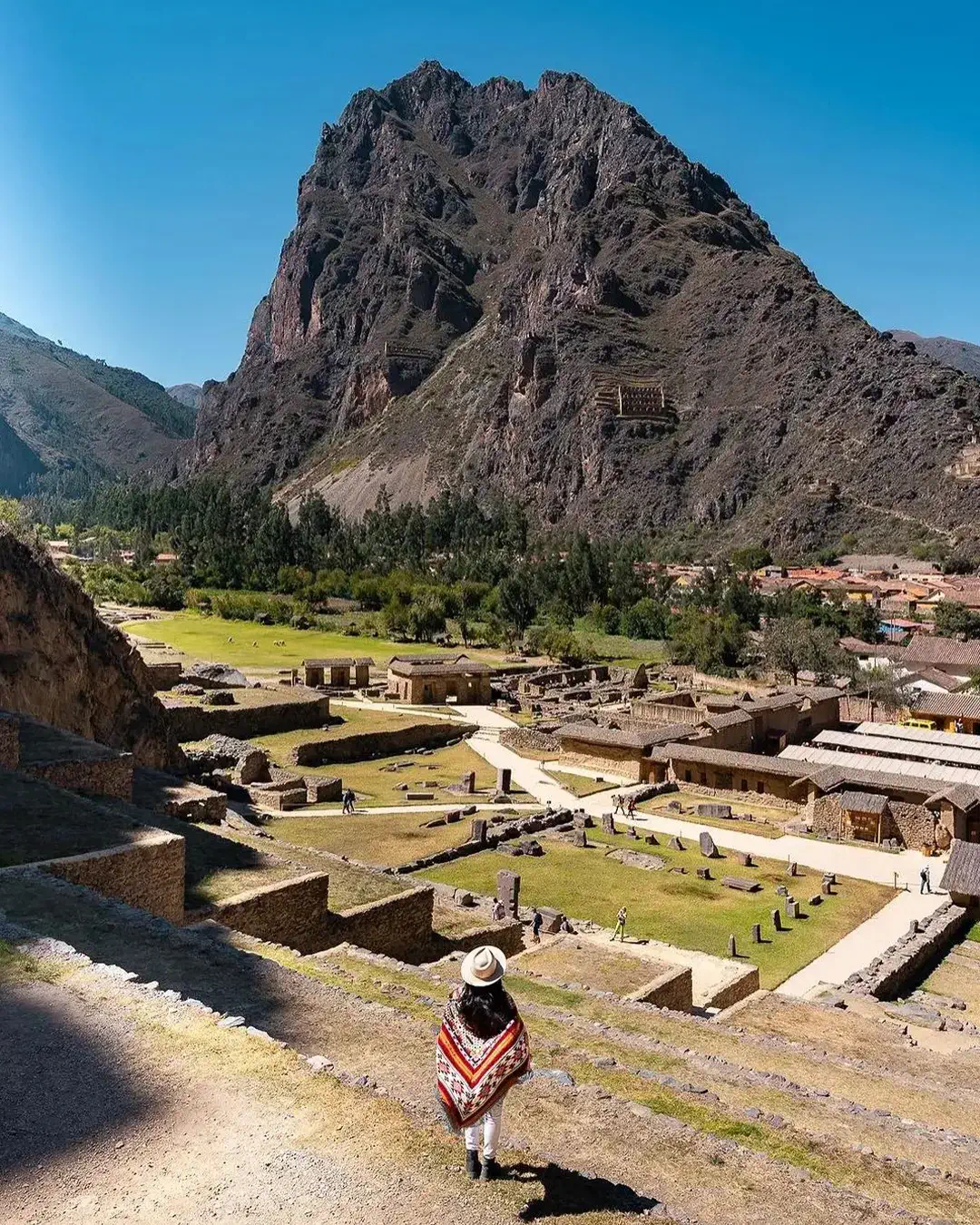
One of the biggest myths among travelers is thinking that Machu Picchu is the highest point of the trip. It is exactly the opposite!
For this reason, if you feel unwell in Cusco, the best prescription is usually to descend to the Sacred Valley or Machu Picchu, where the oxygen is denser and symptoms disappear almost like magic.
Symptoms usually appear between 6 and 12 hours after arriving in the city of Cusco. It is essential to learn to listen to them and not ignore them, thinking it is just travel fatigue. The most frequent symptoms include:
The worst mistake you can make in Cusco is to arrive, drop off your luggage, and rush out to do a demanding City Tour or a hike.
Your first day should be for absolute rest. Walk slowly, as if you were strolling in slow motion. Avoid unnecessary physical exertion and take short naps. Many expert travelers plan their itinerary smartly: instead of sleeping their first night in Cusco, they transfer directly from the airport to a hotel in the Sacred Valley to acclimate their body gradually.
The Incas perfectly knew the secrets to mastering the altitude of the Andes. The coca leaf is not a tourist myth; it is a proven, ancient remedy that acts as a mild stimulant and an excellent vasodilator. You can consume it in two main ways:
Note: Avoid drinking coca tea after 5:00 p.m. Since it is a stimulant similar to caffeine, it could cause insomnia.
In addition to coca, you will find other natural remedies in Cusco's pharmacies and markets. Coca or lemon candies are excellent to carry in your backpack to soothe nausea during bus rides.
Another local secret is the use of Agua de Florida (a herbal and citrus cologne) or medical alcohol. In the event of sudden dizziness, local guides often pour a few drops into the palms of your hands, ask you to rub them together vigorously, and inhale the vapor deeply. This opens the airways and provides instant relief.
As mentioned in the gastronomic guide, human digestion slows down dramatically at 3,400 meters of altitude. Blood flow concentrates on keeping the brain and lungs oxygenated, leaving the stomach in the background.
If natural remedies are not enough, modern medicine offers quick solutions that you can buy over-the-counter at any drugstore (botica) in the city.
Cusco's tourism industry is perfectly prepared for these situations. The vast majority of 3, 4, and 5-star hotels have medical oxygen tanks at the front desk, available for free or for a minimal fee for their guests.
If you feel very breathless, asking for 10 to 15 minutes of pure oxygen through a mask can bring you back to normal almost immediately. Likewise, all PeruRail and IncaRail trains heading to Machu Picchu are required to carry oxygen equipment on board in case of emergencies.
Although 95% of soroche cases are mild and disappear by the second day, it is vital to know when to seek professional assistance. You should call a doctor (clinics in Cusco handle tourist emergencies 24/7) if you or your companion present:

Recomendado por







Copyright 2025. All Right Reserved | politica de Privacidad & Terminos y condiciones

