
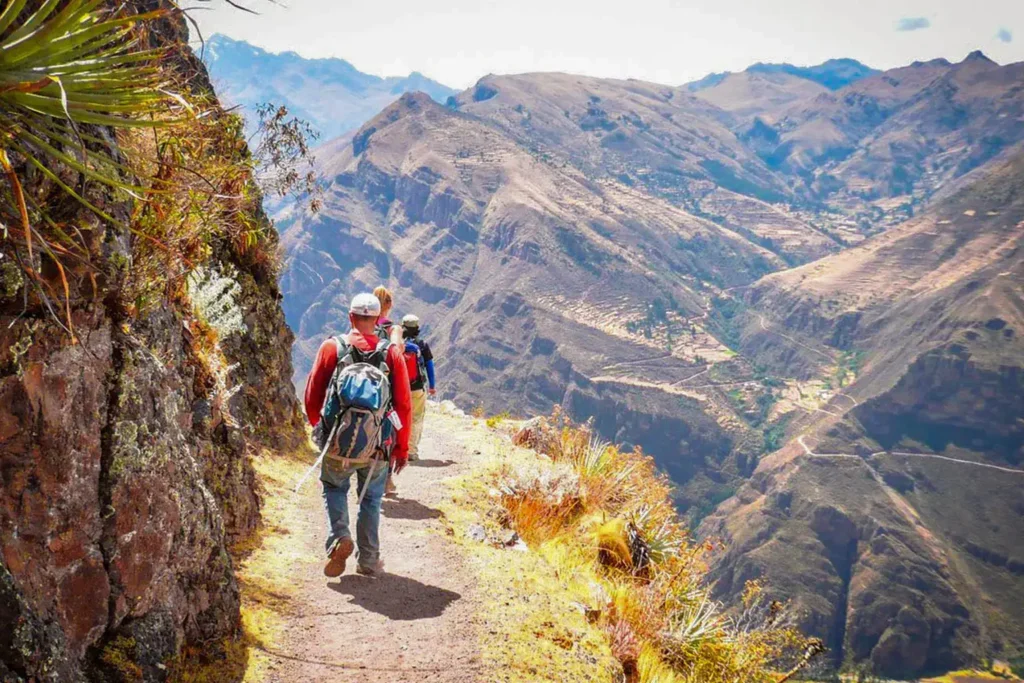
It is important to ensure you have all the necessary documents for your trip. First, verify that your passport has at least six months of remaining validity, as most countries require this minimum timeframe to allow entry. Additionally, if your nationality requires it, make sure to obtain the corresponding visa before traveling, as some countries demand a tourist or entry visa depending on your country of origin.
It is also advisable to carry an additional official identification card, such as a national ID or a driver's license, to serve as a backup in case you lose your passport. Likewise, do not forget to purchase travel insurance that covers medical emergencies, flight cancellations, and other unforeseen events that may arise during your trip.
For added security, bring physical and digital copies of all your important documents, including your passport, visa, ID card, accommodation reservations, and travel insurance. This will provide you with a backup in case your original documents are lost or stolen, making it easier to handle any inconveniences.
It is essential to pack appropriate and comfortable clothing to adapt to the weather conditions of the different regions you plan to visit. If you are exploring warmer areas, opt for light, breathable garments that allow air circulation and keep you cool during the day.
On the other hand, if your itinerary includes higher altitude regions, such as mountains or cold areas, it is important to bring several layers of warm clothing. Layers are essential because they allow you to adapt to temperature changes throughout the day.
Clothing Comparison: Day vs. Night in Cusco
| Day Clothing in Cusco | Night Clothing in Cusco |
| Casual pants, jeans, or leggings | Waterproof and thermal jacket |
| Shorts for warm days | Thermal pants or leggings |
| Mid-to-long dresses or skirts | Gloves, scarf, and beanie |
| Shirts, t-shirts, or cotton polos | Warm pajamas (fleece, cotton, or flannel) |
| Sweater or light jacket | Sweaters, jackets, and long pants |
| Hat, cap, and sunglasses | |
| Scarves and gloves | |
| Waterproof jacket or compact poncho | |
| Waterproof boots |
Note: The weather in Cusco can be unpredictable, with rain possible across different seasons. Daytime wear should be casual, discreet, comfortable, and adaptable, while nighttime wear needs to be highly thermal, especially during the colder, drier months of June, July, and August.
It is crucial to wear comfortable and durable footwear to ensure your well-being during the trip, especially if you plan to do outdoor activities or long walks. If you are going to hike trails or trek, hiking boots are highly recommended, as they are specifically designed to offer support and stability on uneven terrain. These boots generally feature a non-slip sole that improves grip, protects the ankles, and provides greater comfort on long hikes or in variable weather conditions.
While hiking boots are ideal for difficult terrain, make sure they are lightweight and ventilated to prevent your feet from overheating in warmer climates. Additionally, pack an extra pair of comfortable shoes for resting or for lighter activities, such as walking through urban areas or exploring markets.
Remember that proper footwear not only prevents discomfort but also minimizes the risk of injury. Make sure your shoes are well broken-in before the trip to avoid blisters.
It is essential to bring personal hygiene items to stay clean and comfortable during your trip. Ensure you include a toothbrush and toothpaste, plus mouthwash if you prefer a more thorough cleaning. Do not forget shampoo and soap, especially if you will be staying in places with limited amenities.
It is also advisable to bring deodorant to stay fresh, particularly for outdoor activities. If you have specific products you use regularly, such as creams or lotions, make sure to pack them. Remember to pack compact travel sizes to avoid issues with liquid restrictions, and include wet wipes or antibacterial gel for times when running water is not immediately accessible.
A well-prepared personal first aid kit is vital. If you take prescription medications, bring enough for the entire duration of your trip, along with a copy of the prescription in case you need a refill.
In addition to personal medications, include basic over-the-counter drugs:
Sunscreen protects your skin from damage caused by sun exposure, preventing sunburn and premature aging at high altitudes. Choose one with an adequate Sun Protection Factor (SPF) and apply it regularly to exposed areas.
Insect repellent is crucial for avoiding mosquito bites, which can transmit diseases. Use a reliable brand containing DEET or Picaridin, applying it to both skin and clothing in bug-heavy areas.
Ensure you pack the necessary chargers for your mobile phone, camera, laptop, or any other device. If traveling to a country with a different electrical system, bring power adapters.
A portable battery or power bank is highly recommended for long days out. Photography enthusiasts should remember extra memory cards and a protective case. Finally, consider a mobile hotspot or roaming plan to stay connected on the go.
A small backpack is an essential accessory for any excursion. It allows you to organize and easily access your daily necessities, such as water, snacks, an extra layer of clothing, sunscreen, and a camera. The backpack should be lightweight but durable, featuring adjustable, padded straps for comfort during long hikes.
It is important to carry both cash and credit cards. Local cash is essential for small purchases, tips, or places that do not accept cards. Credit cards are useful for emergencies or larger payments, offering greater security if your cash is lost or stolen.
We recommend using a travel guide or a specialized app to get detailed information about the destinations you will visit. These tools provide local recommendations, useful tips on restaurants, tourist attractions, and schedules to help you plan your itinerary efficiently.
It is highly recommended to have maps, either physical or digital, especially when exploring remote areas. Maps provide a clear view of routes, important locations, and available services. Digital maps (often featuring real-time navigation) can be easily accessed via mobile apps and are invaluable for keeping you oriented and avoiding complications during your travels.



Recomendado por







Copyright 2025. All Right Reserved | politica de Privacidad & Terminos y condiciones
