Inti Raymi in Cusco: The Festival of the Sun

The Inti Raymi, also known as the Festival of the Sun, is one of the most important celebrations in Cusco. It takes place every June 24th, coinciding with the winter solstice in the Southern Hemisphere. This festival, which has its roots in the Inca era, was a tribute to the Sun god, one of the […]
Inti Raymi in Cusco: The Festival of the Sun
Publicado en May 27, 2026

The Inti Raymi, also known as the Festival of the Sun, is one of the most important celebrations in Cusco. It takes place every June 24th, coinciding with the winter solstice in the Southern Hemisphere. This festival, which has its roots in the Inca era, was a tribute to the Sun god, one of the most revered deities of the Incas. Today, thousands of tourists and locals gather to relive this ceremony with parades, traditional dances, and a spectacular reenactment at the Sacsayhuamán esplanade.

Why is Inti Raymi Celebrated?

The Inti Raymi is celebrated as a tribute to the Sun god, or Inti, one of the main Inca deities. For this civilization, the Sun was the source of life and fertility, responsible for good harvests and the prosperity of the empire. June 24th, coinciding with the winter solstice, marks the moment when the Sun is at its furthest point from Earth, which represented an opportunity to ask for its return with strength, ensuring the light and heat necessary for life.

During the Inca era, the Inti Raymi was a vital religious ceremony where the emperor, or Sapa Inca, and the priests performed offerings and sacrifices to thank the Sun and ensure the protection and well-being of the people. Although it was banned by the Spanish colonizers, the festival has been revived in modern times as a cultural and tourist symbol that highlights the legacy of the Incas and their connection to nature.

History and Origin

The Inti Raymi was instituted by the Inca Pachacutec in the 15th century. Because the Incas depended on agriculture, they considered the Sun the source of life and prosperity, paying tribute to it to ensure good harvests and the well-being of the population.

Celebration in the Inca Era

The festival took place during the winter solstice. The traditional ceremony lasted 15 days and was held in Cusco, the capital of the Tahuantinsuyo. It involved the Sapa Inca, priests, nobles, and delegations from all regions of the empire. It included dances, songs, parades, and the sacrifice of animals like llamas. Chicha de jora, a fermented beverage, was consumed as part of the ritual.

Prohibition and Resurgence

After the arrival of the Spanish in the 16th century, colonial authorities banned these ceremonies, considering them pagan. The tradition was largely forgotten or kept discreetly by some Andean communities for centuries. It was not until 1944 that the festival was revived, thanks to Cusco intellectuals who reconstructed the ceremony based on historical chronicles. Today, it is a cultural and tourist reenactment without the animal sacrifices of the original ceremony.

The Inti Raymi Experience: How to Make the Most of It

The Inti Raymi is a unique celebration mixing history, tradition, and living culture.
Know the Three Stages of the Ceremony:

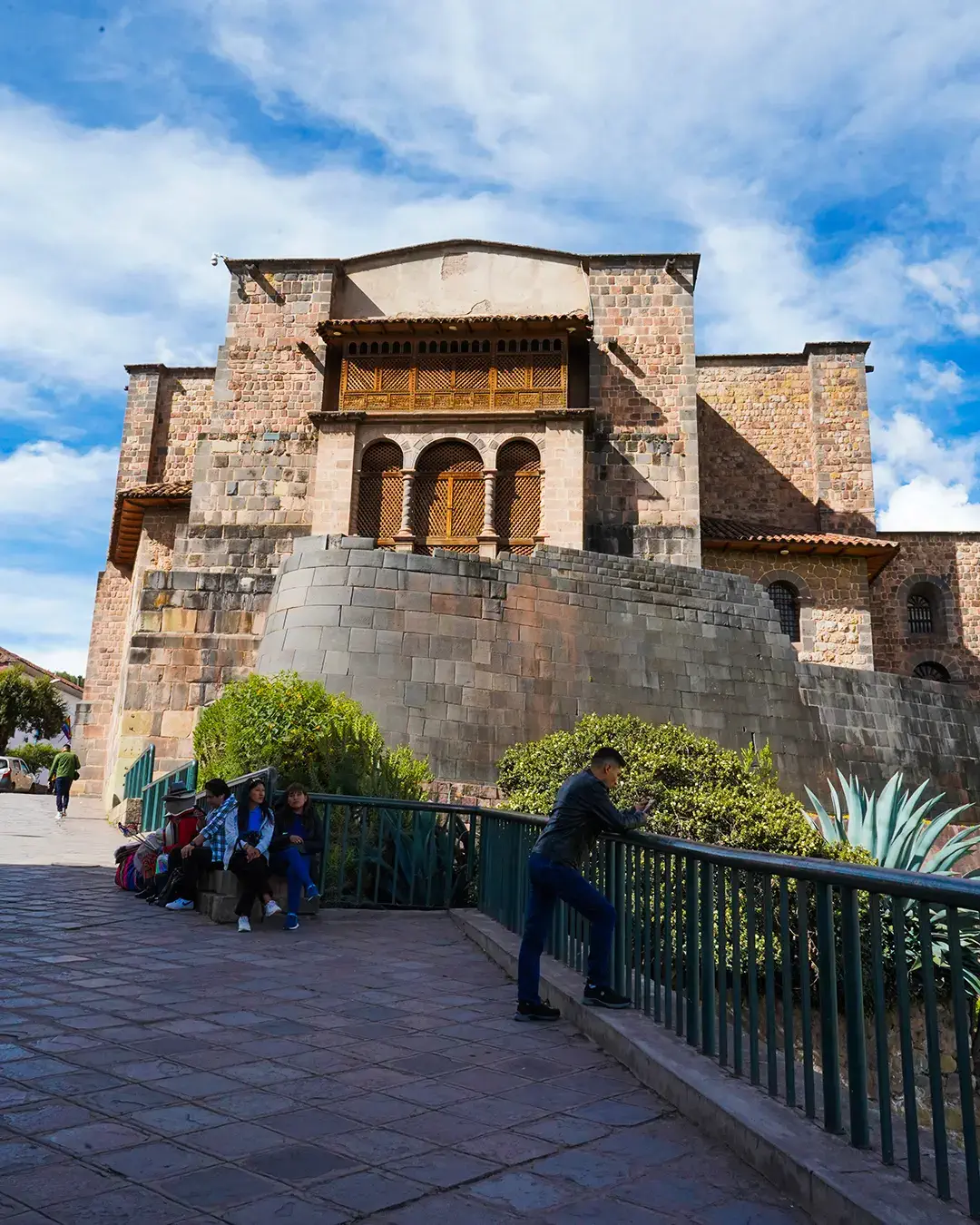
  1. Qorikancha (Temple of the Sun): The ceremony begins here with an invocation to the Sun god and traditional dances.
  2. Plaza de Armas: The Sapa Inca and his entourage perform a symbolic tour through the city center.
  3. Sacsayhuamán: The main ceremony takes place at this archaeological site, featuring more than 700 actors.
    • Tip: If you cannot get tickets for Sacsayhuamán, the Plaza de Armas is an excellent option to enjoy part of the ritual for free.

Practical Tips:

  • Book in Advance: Tickets for Sacsayhuamán have limited capacity; it is important to book at least 3 months in advance.
  • Dress Appropriately: June is the dry season, but temperatures vary. Wear comfortable clothing, sunscreen, and sunglasses. Bring a jacket or sweater for the afternoon, as it gets cold once the sun sets.
  • Stay Hydrated: Carry water and snacks, especially if you are attending events all day.
  • Safety: Cusco is a safe city, but keep your belongings close, as crowds can be very large.
  • Traffic: Streets become congested. If you have tickets for Sacsayhuamán, leave early in the morning. Opt to walk or use public transport where possible.

Fun Facts about Inti Raymi

  • No Animals Used: Unlike the original Inca version, the current ceremony uses symbolic representations rather than real sacrifices.
  • The Sapa Inca Selection: The actor who plays the Sapa Inca must have Andean features and speak Quechua fluently to maintain authenticity.
  • Over 700 Actors: The ceremony in Sacsayhuamán involves hundreds of participants, including musicians, dancers, and actors representing the Inca, the Coya (his wife), and various regional delegations.
  • The Month of Festivities: While the main ceremony is on June 24th, June is the "Jubilee Month" of Cusco. The city is filled with processions, concerts, and cultural events leading up to the main day.
  • Huacaypata: In Inca times, what is now the Plaza de Armas was known as Huacaypata, a sacred space for important ceremonies.
  • The Language of the Incas: The entire ceremony is conducted in Quechua, the language of the Incas, to reinforce cultural identity. It is translated into Spanish so tourists can understand the rituals.

ARTÍCULOS RELACIONADOS

Recomendado por

Nos puedes encontrar en

Copyright 2025. All Right Reserved | politica de Privacidad & Terminos y condiciones