
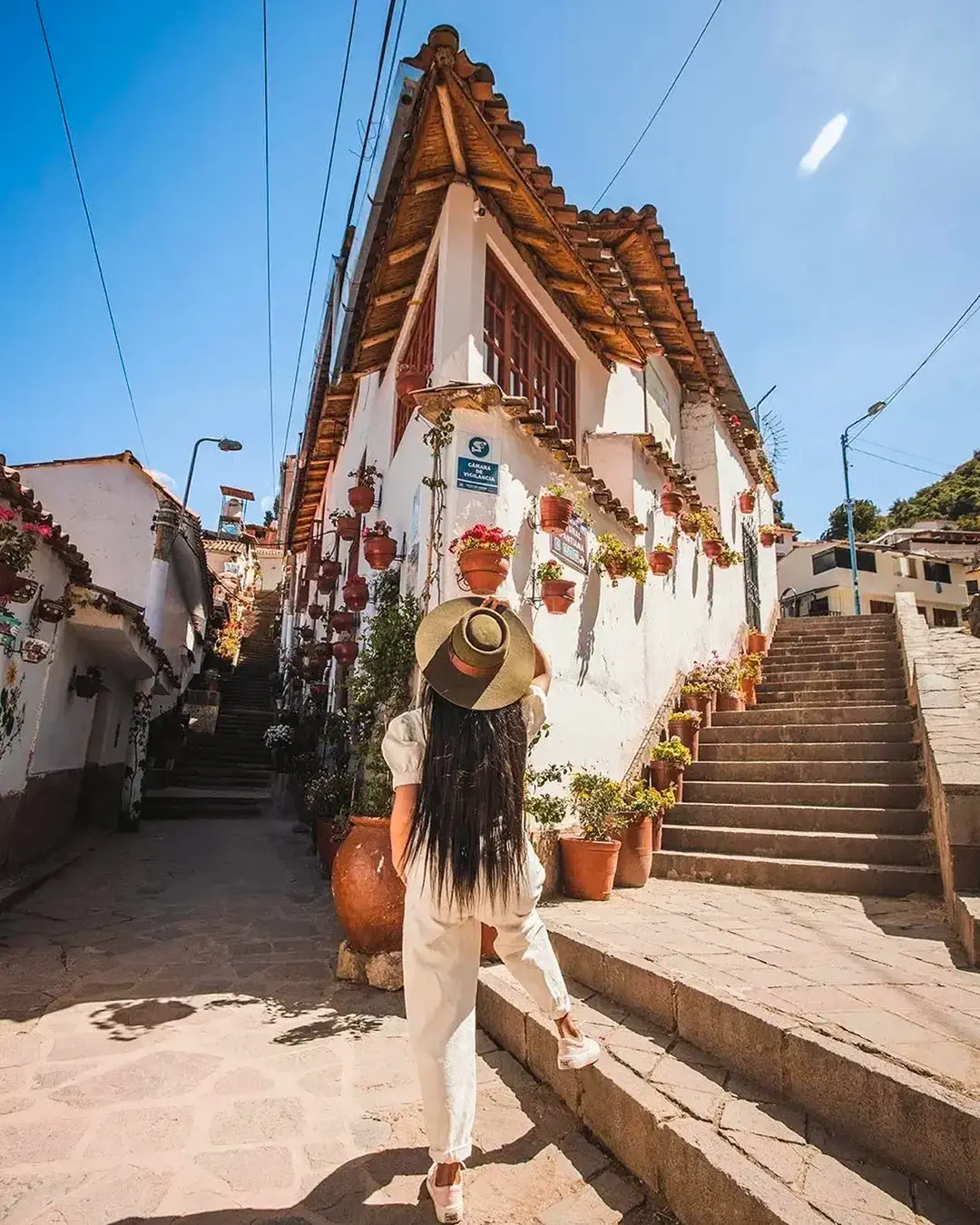
The historic center is exactly the same layout that the Incas designed more than 500 years ago. Water still flows through original stone channels alongside the sidewalks, and the houses still retain the megalithic walls as foundations.
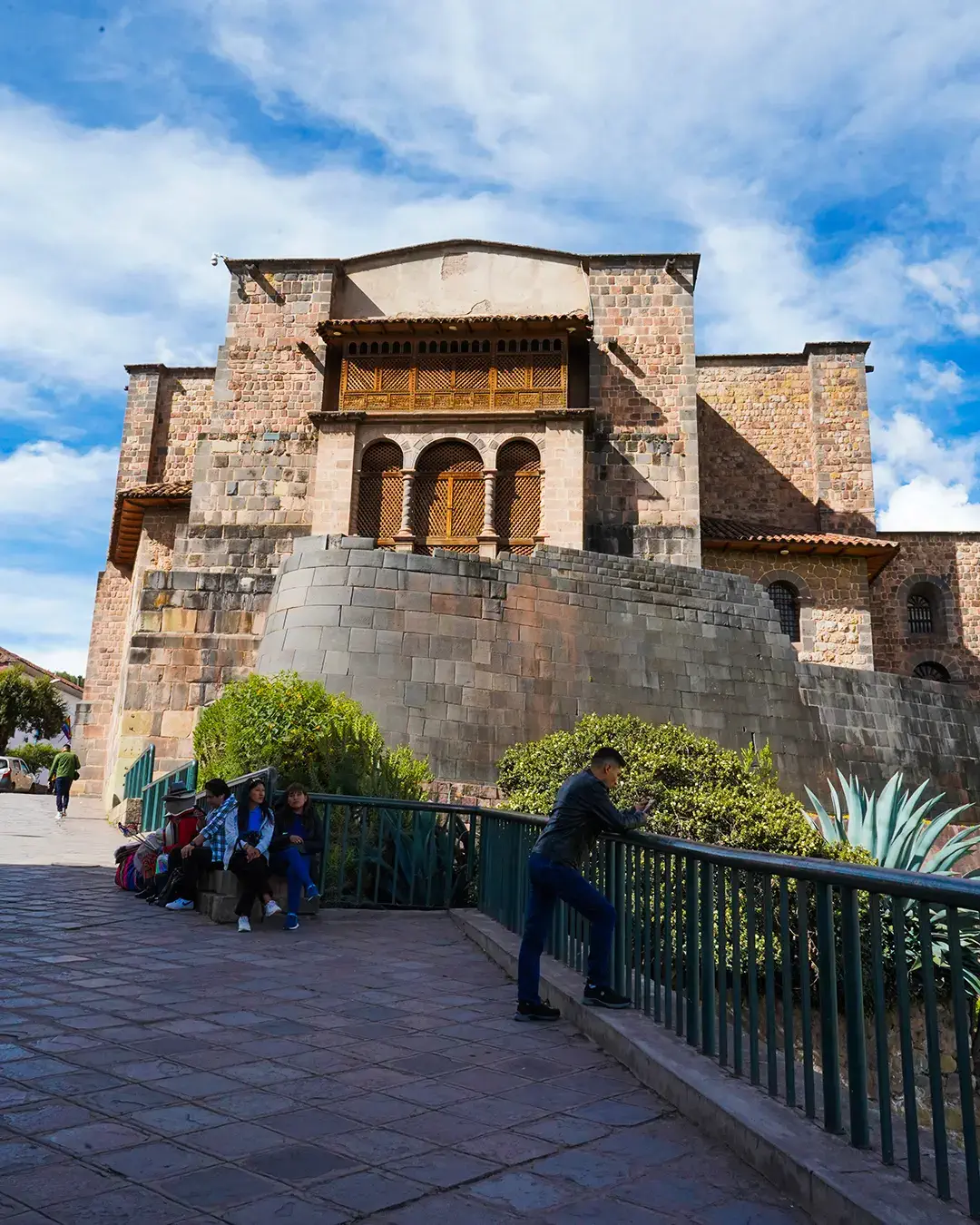
On the mountainside rises its imposing ceremonial fortress, the site of one of the few battles where the Incas militarily defeated the Spanish conquistadors in 1537. At the top of the complex lies the Temple of the Sun, built with six gigantic, perfectly fitted pink granite blocks weighing more than 50 tons each.
Chinchero is located on a high plateau at 3,760 meters (12,335 feet) above sea level. Chroniclers note that this village was the favorite resting place of Inca Tupac Yupanqui, who ordered the construction of a beautiful palace that today serves as the foundation for the colonial church of Our Lady of the Nativity.
Chinchero stands out primarily for the preservation of its pre-Hispanic textile techniques. The local women, dressed in their traditional attire featuring intricate braids and red skirts (polleras), hold public demonstrations. They showcase how they wash alpaca wool using a natural root (saqta), how they dye it using local plants and cochineal (a cactus insect), and how they weave complex geometric patterns using backstrap looms.
Hidden inside a side canyon of the valley lies this breathtaking visual spectacle. Maras is an underground complex from which a subterranean spring of hot, hypersaline water wells up. Since pre-Inca times, locals have channeled this water into more than 3,000 terraced earthen pools.
The sun naturally evaporates the water trapped in the pools, leaving behind layers of a mineralized pink salt of the highest culinary quality. The contrast of the thousands of white pools against the reddish tones of the canyon creates one of the most beautiful and unique postcards of your entire journey through the region.
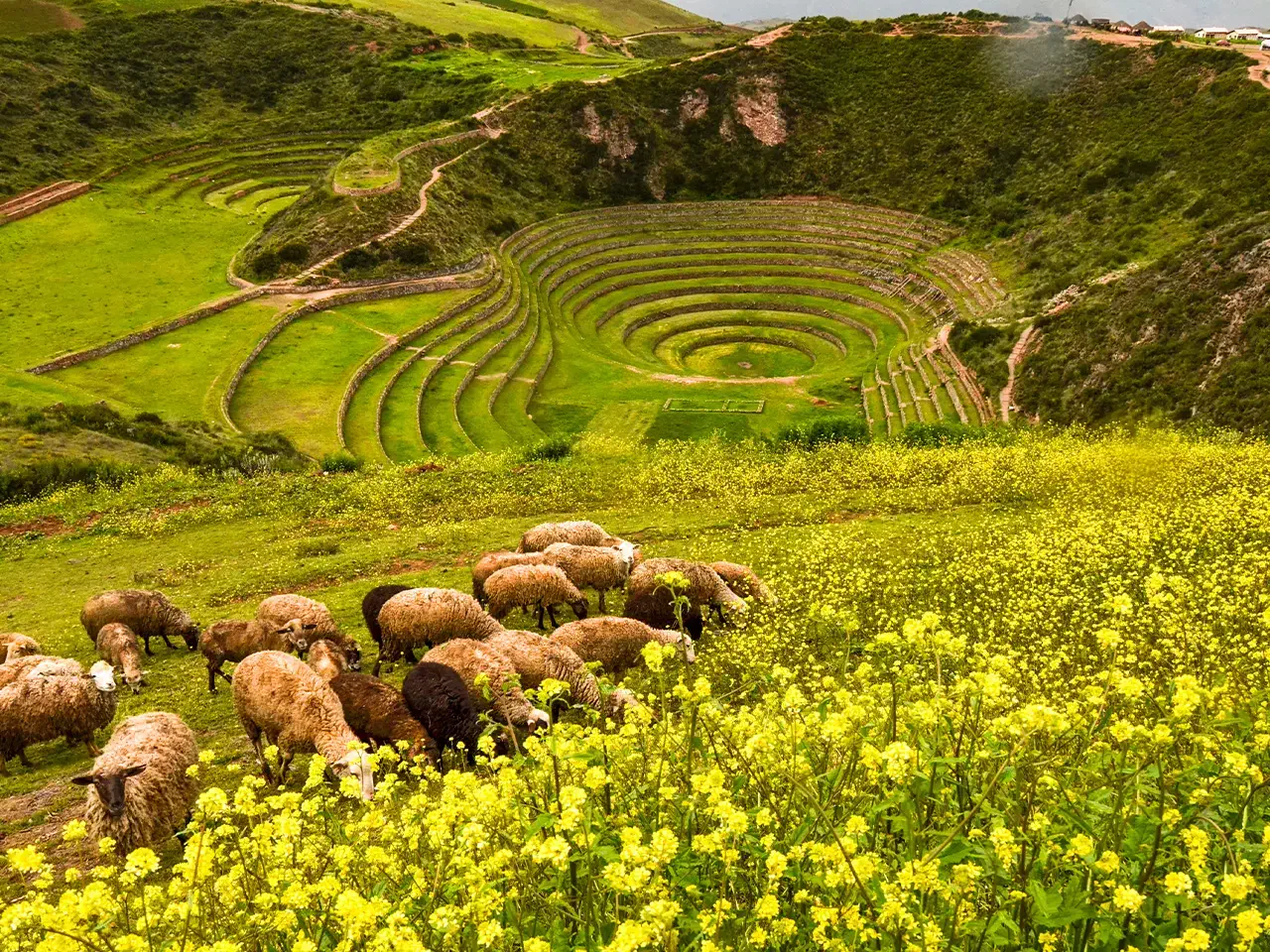
Just a few minutes from Maras lies Moray, an archaeological site that at first glance resembles a gigantic Roman amphitheater sunken into the earth. It consists of several series of concentric terraces arranged inside massive natural depressions.
The genius of Moray lies in its function as a high-tech agricultural research center. Due to the depth and orientation of the terraces relative to the sun, an impressive thermal gradient is generated: there can be up to a 15 degrees Celsius (27°F) temperature difference between the top terrace and the deepest one. The Incas utilized this controlled microclimate to domesticate plants from the jungle and the coast, gradually adapting them so they could grow in the cold altitudes of the Andean mountains.
Most travel agencies in Cusco divide the exploration of the valley into two separate full-day tours:
Unlike the city of Cusco, which is located at an altitude of 3,400 meters, the Sacred Valley averages 2,800 meters (9,186 feet). This 600-meter difference is noticed immediately in the air: the oxygen feels notably thicker, breathing is smoother, and the general climate is much milder, sunnier, and less windy during the day.
💡 Itinerary Strategy: If you have the flexibility, land at the Cusco airport and immediately take a direct taxi to your hotel in Urubamba or Ollantaytambo. Spend your first two days exploring the Sacred Valley. Your body will adapt smoothly without suffering from headaches, and you will be completely ready to head up to Cusco or Machu Picchu later without any issues.
To enter the main archaeological sites of the valley (Pisac, Ollantaytambo, Chinchero, and Moray), you must have the Cusco Tourist Ticket (BTC). The partial ticket for Circuit II specifically covers these attractions and is valid for two days.
⚠️ Important Note: The Maras Salt Mines are not included in the Tourist Ticket because they are managed directly by the local community of the town of Maras. Entry payment must be made strictly in cash at the control booth before entering the viewpoint (approximately 20 Soles per person).
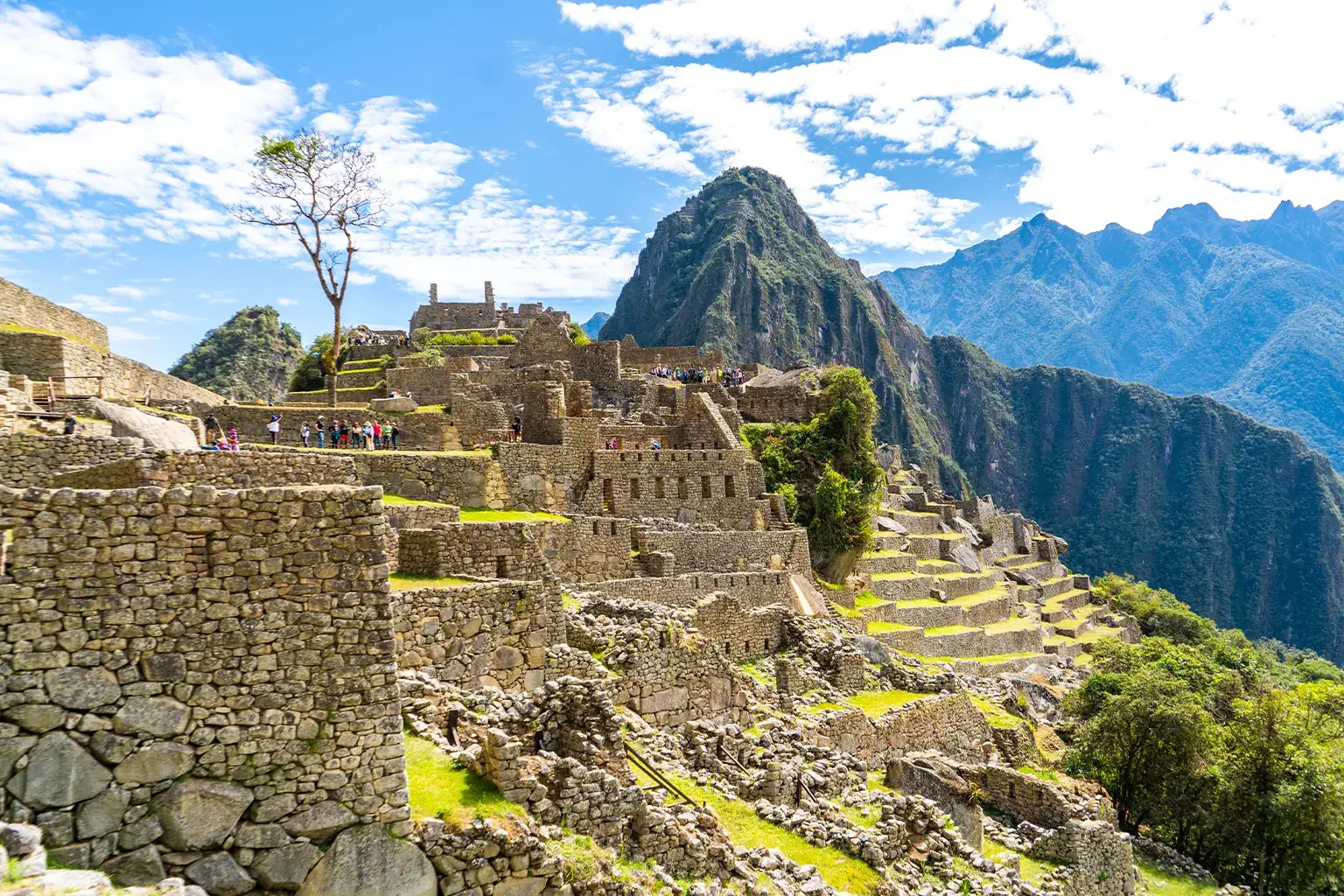
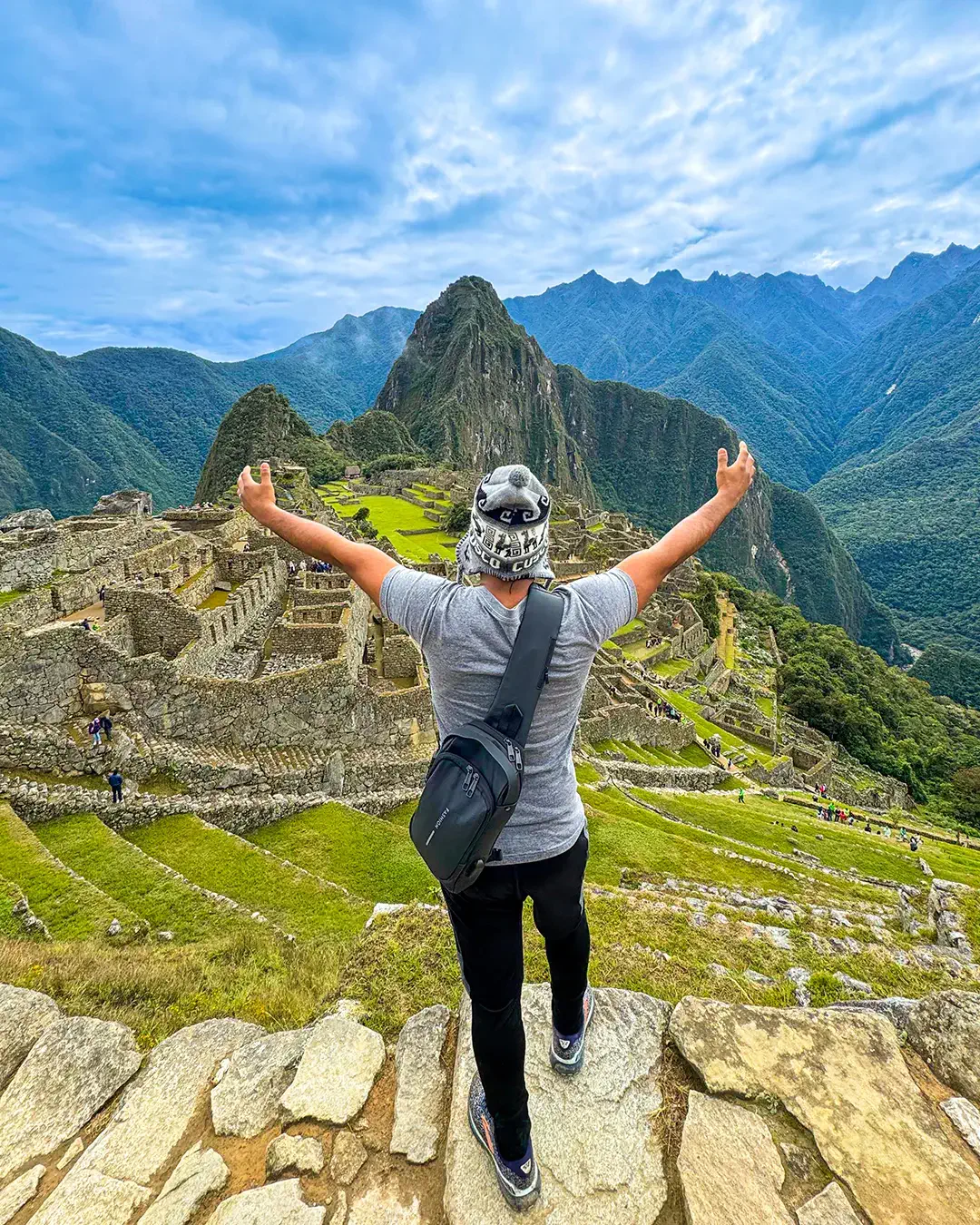
The most efficient way to optimize your time and money is to use the Sacred Valley as a direct bridge to the Inca citadel.
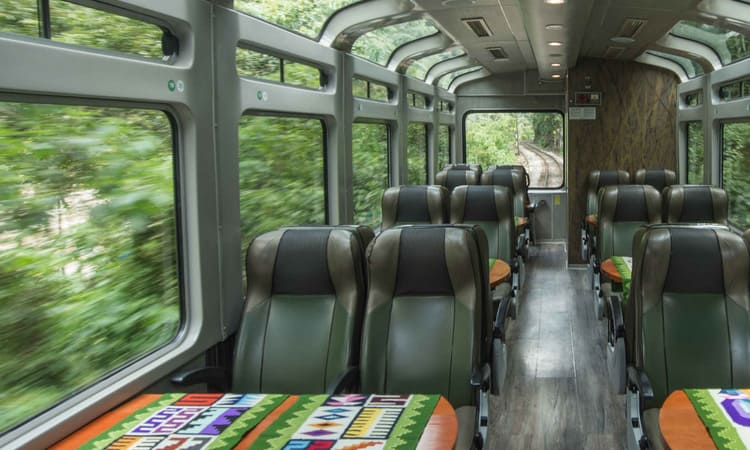
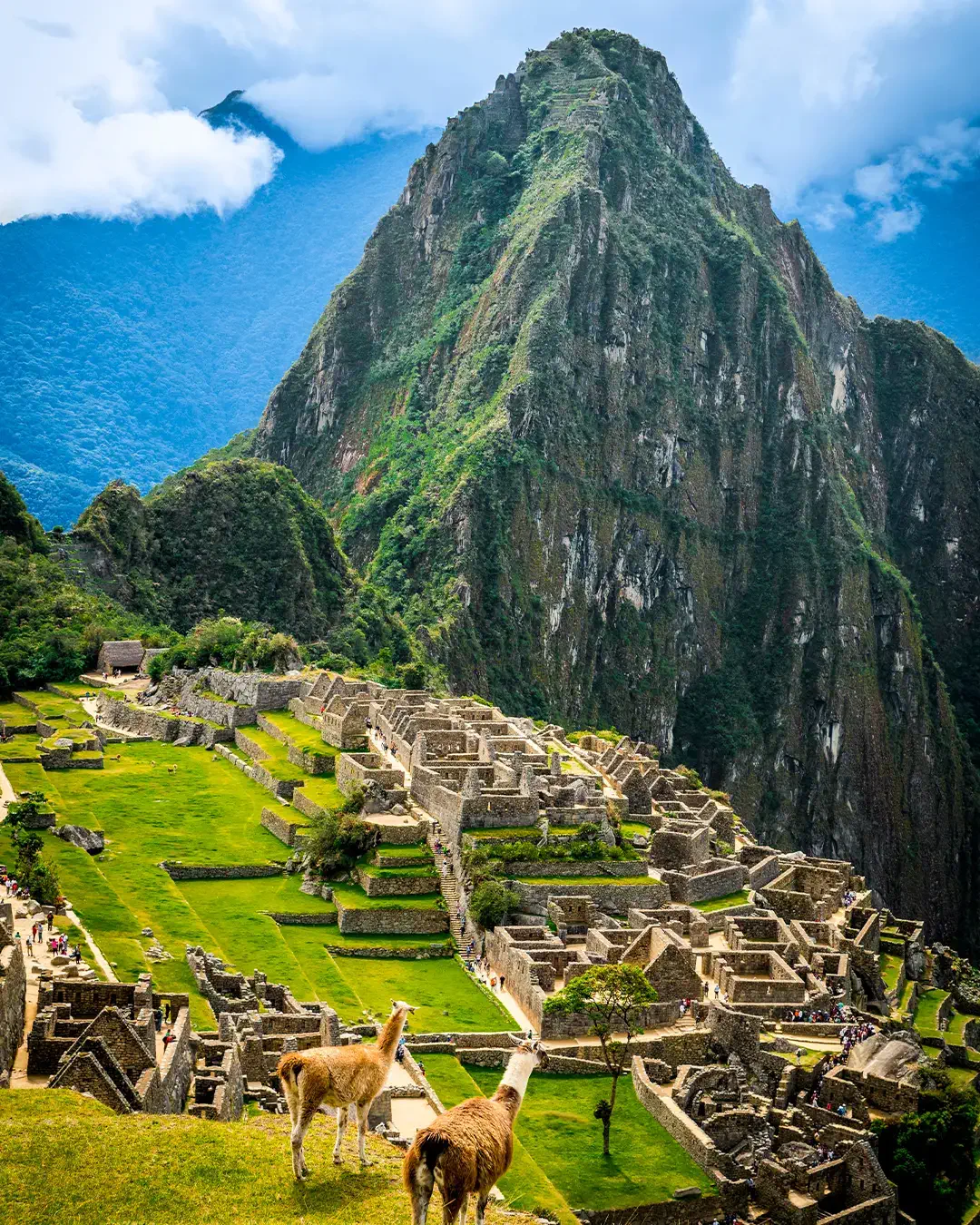
Instead of returning to sleep in Cusco after your valley tour ends, make sure to book a classic tour that finishes in Ollantaytambo around 4:00 p.m. The Ollantaytambo train station is the primary departure point for PeruRail and IncaRail trains heading to Aguas Calientes (Machu Picchu Pueblo). Taking the evening train from here will save you more than two hours of unnecessary overland travel back to Cusco and will allow you to wake up fresh at the foot of Machu Picchu the next day.
Recomendado por







Copyright 2025. All Right Reserved | politica de Privacidad & Terminos y condiciones

