
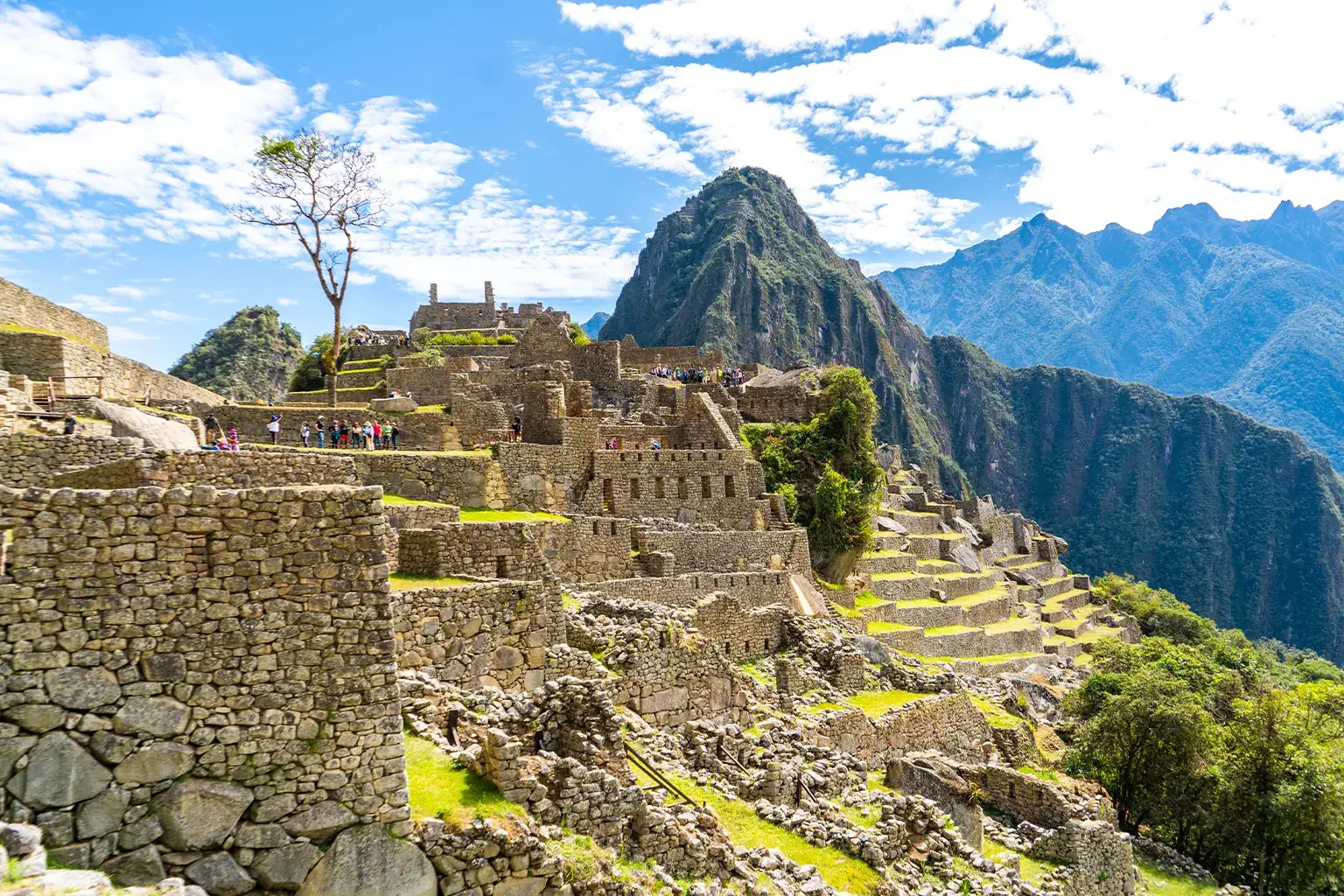
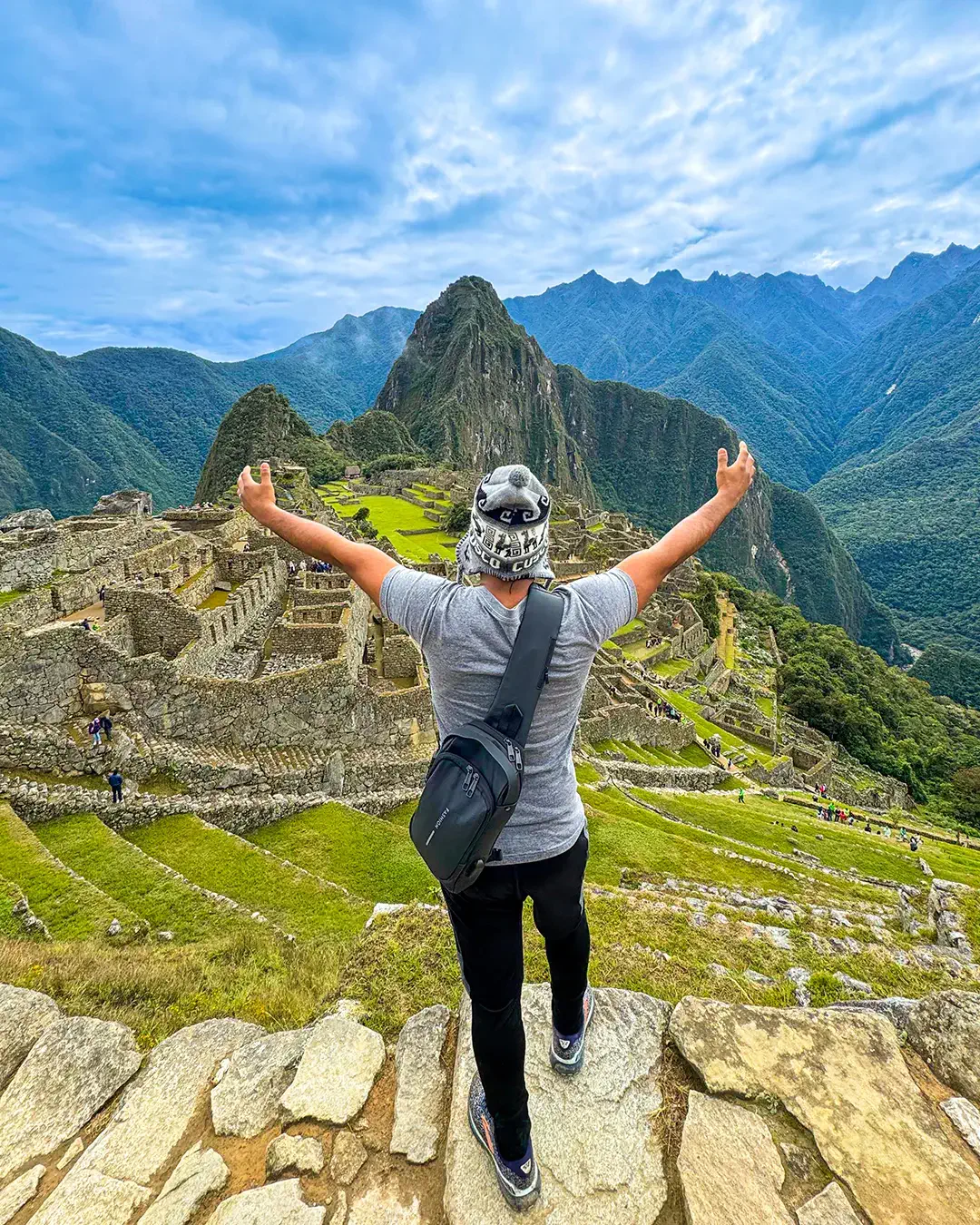
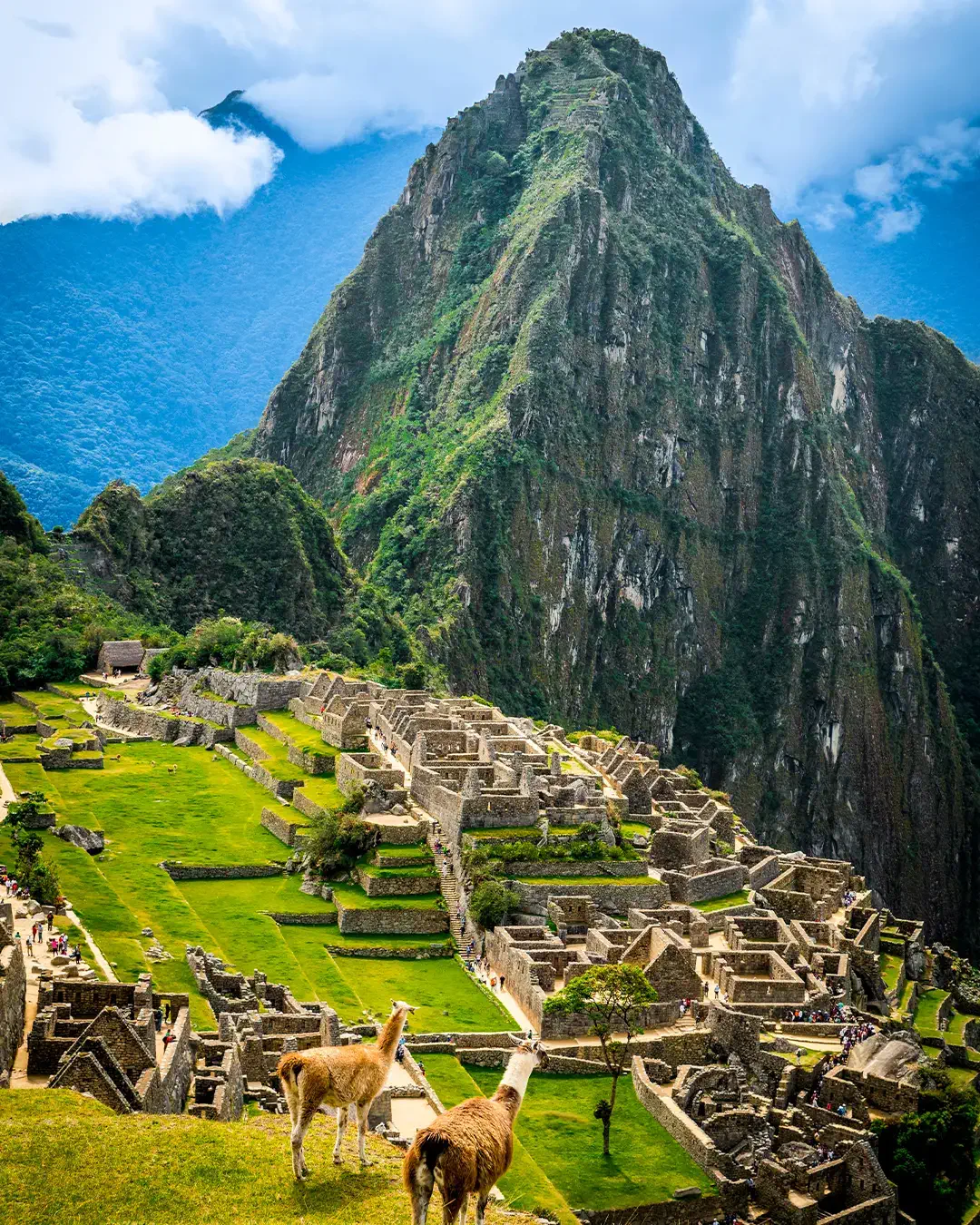
Machu Picchu, the majestic Inca city among the mountains, was not actually "discovered" in 1911 as many people think, since it was always present to the locals who lived in the area. However, it was Hiram Bingham, an American professor and explorer, who introduced this sacred site to the world. Behind his expedition were key figures whose contributions often go unnoticed. In this blog, we will explore how this "discovery" took place and the actors who made it possible.
On July 24, 1911, Hiram Bingham arrived at Machu Picchu after a difficult expedition through the Andean region. Although his original goal was not to find this Inca city, but rather Vilcabamba, the last Inca capital, the discovery of Machu Picchu shifted his focus. His initial photographic record and the subsequent excavations in 1912 marked the beginning of a new era for the archaeological site, which until then had remained globally forgotten.
Bingham was the first to present Machu Picchu to the international scientific community. Through the National Geographic Society and Yale University, he shared his discoveries with the world, turning Machu Picchu into a site of global interest. However, Bingham was not the first visitor to the site, nor would he have succeeded without the help of local figures who guided him on his expedition.
One of the fundamental figures in Bingham's arrival at Machu Picchu was Melchor Arteaga, a local farmer who had heard of the ruins and knew the path that led to them. Arteaga lived near the Vilcanota River and worked as a muleteer in the area. When Bingham arrived at Mandorpampa, Arteaga offered to be his guide, leading him up a steep path to the ruins of what we know today as Machu Picchu.
It is said that Arteaga was the one who mentioned the existence of the "ruins covered in vegetation," which intrigued Bingham enough to divert him from his original search for Vilcabamba. Although Bingham himself admitted that without Arteaga's guidance he would not have reached the llaqta (Inca settlement) of Machu Picchu, the Peruvian farmer never achieved the fame that the American explorer did.
One of the most surprising facts of this story is that Agustín Lizárraga, a local farmer, had already visited Machu Picchu nine years before Bingham arrived. In 1902, Lizárraga left an inscription with his name on the Temple of the Three Windows. This inscription was seen by Bingham, who mentioned it in his reports, but over time, it was erased, and the credit for the discovery was left solely in Bingham's hands.
Lizárraga had not only explored Machu Picchu, but he also brought other local residents to the llaqta. Despite this, his name has been largely forgotten in official history. Reports indicate that he was known in the region as a treasure hunter, and it was precisely during one of his incursions in search of Inca gold and relics that he arrived at the lost city. Although his goal was not scientific, Lizárraga was the first recorded inhabitant to set foot in the ruins of Machu Picchu.
For a long time, the official narrative presented Hiram Bingham as the "discoverer" of Machu Picchu, but as we have seen, many local people already knew of the place before his arrival. In fact, some even lived there, such as the farming families who cultivated crops on the citadel's terraces. However, it was Bingham who carried out the first scientific investigations and who broadcasted the existence of Machu Picchu through his publications.
This "scientific discovery" is what led to Bingham being recognized as the man responsible for putting Machu Picchu on the world map, although it is always important to recognize the key role of local inhabitants, like Arteaga and Lizárraga, who made this discovery possible in the first place.
After his initial visit, Bingham returned to Machu Picchu in 1912 with a team of archaeologists and engineers to carry out more exhaustive excavations. These investigations were made possible thanks to the support of Yale University and the National Geographic Society. Other important figures, such as Paul Lanius and Herman Tucker, also participated in this work, helping to clear and map the structures.
These efforts, although fruitful, also caused controversy, as many of the artifacts excavated at Machu Picchu were taken to the United States and remained there for decades, until they were finally returned to Peru in 2011.
The discovery of Machu Picchu is a complex story that goes beyond a single explorer. While Hiram Bingham was responsible for making the Inca citadel known to the world, he would not have gotten there without the help of figures like Melchor Arteaga and Agustín Lizárraga, who knew the area long before he did. Recognizing their contributions is an important part of understanding the true history of this amazing archaeological site.
Recomendado por






Copyright 2025. All Right Reserved | politica de Privacidad & Terminos y condiciones
