
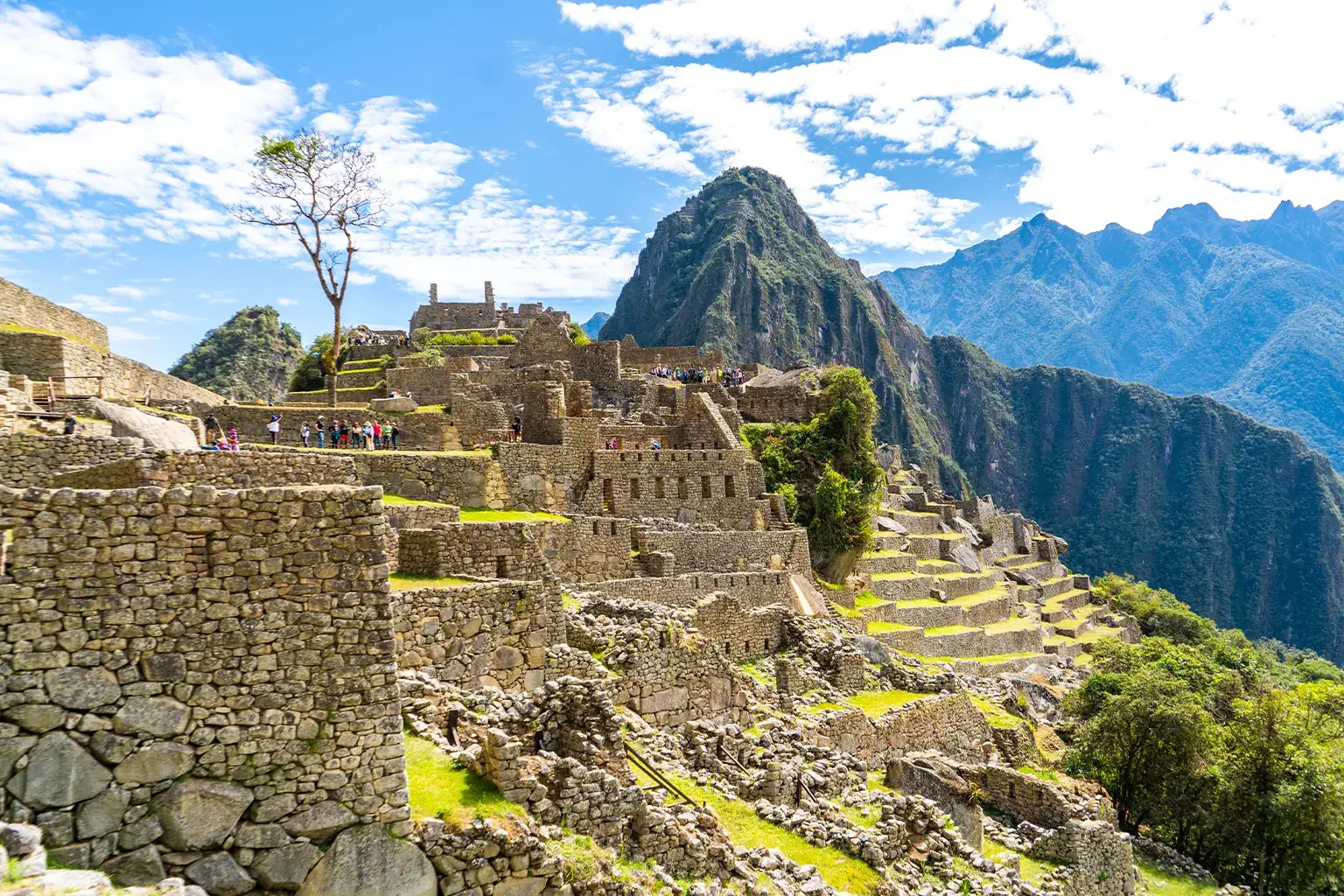
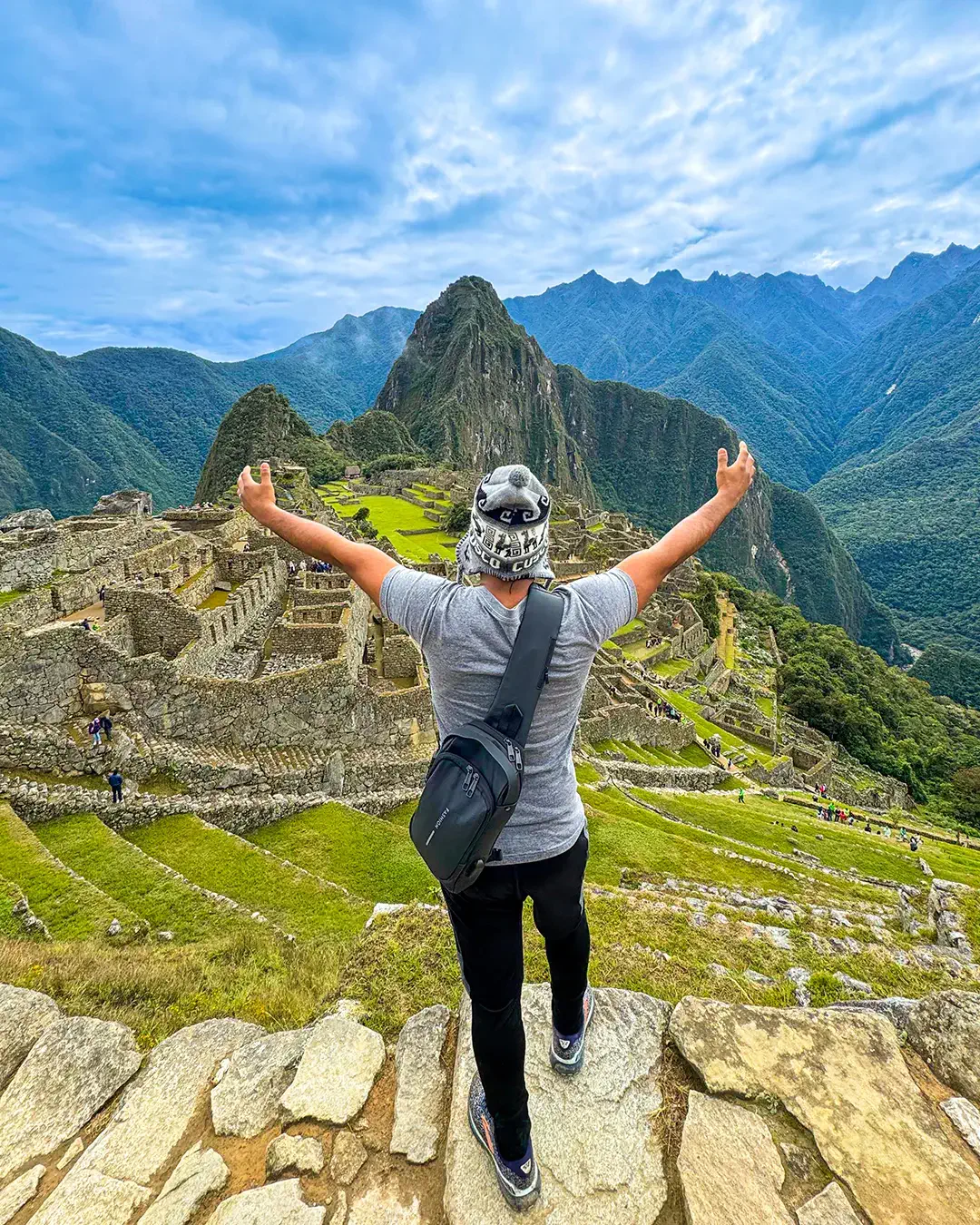
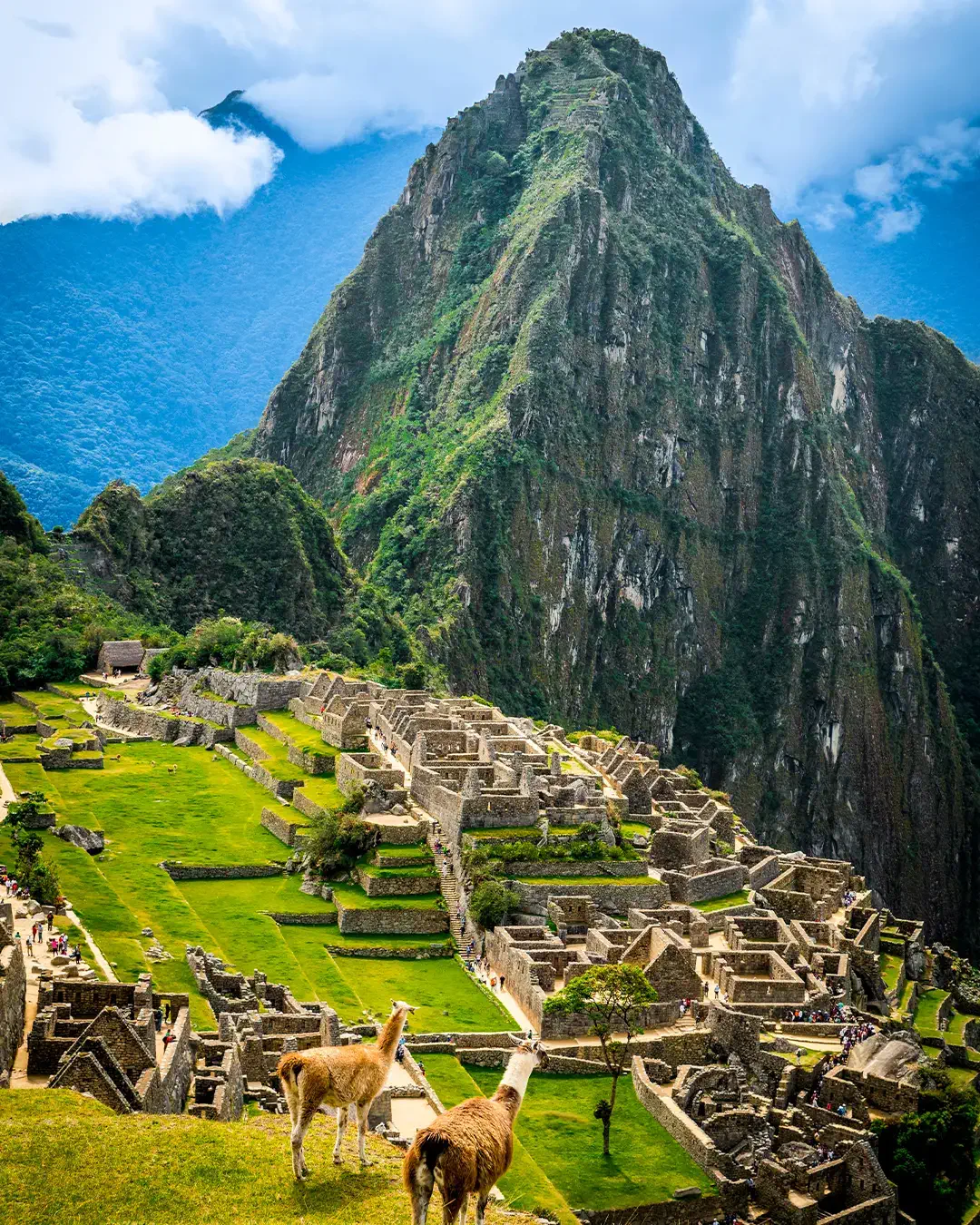
Machu Picchu is much more than a lost city in the mountains. It is a testament to the greatness and genius of the Incan civilization, which fused nature, spirituality, and scientific knowledge in one place. This site, declared a UNESCO World Heritage site, is not only an architectural wonder but also a symbol of the connection between humanity and the environment. Below are the key elements that make Machu Picchu a unique place in the world:
At the heart of Machu Picchu lies the llaqta, or sacred city. This complex was planned and built under the orders of the Inca Pachacútec, one of the most important rulers in Incan history. It is believed that the llaqta was not just a residence for the elite, but also a place where important religious ceremonies were held. Current research confirms that Machu Picchu was a spiritual and administrative center of great relevance to the Incas.
The site is located among sacred mountains (apus), which reinforces its ceremonial importance. The imposing stone structures were not built by chance; their arrangement reflects a deep connection to the cosmos, with temples oriented toward significant astronomical events, such as solstices and equinoxes.
The engineering of Machu Picchu remains a mystery and a source of admiration. The Incas managed to build on rugged terrain without damaging the natural environment. The complexity of the agricultural terrace system, designed not only for farming but also to prevent erosion, is a clear example of this wisdom.
Likewise, the underground drainage and foundation system is astonishing. Many structures rest on stone bases that helped stabilize the terrain, resisting heavy rains and potential landslides. The precision of the stone blocks in places like the Temple of the Sun demonstrates that the Incas mastered advanced cutting and assembly techniques without the use of mortar.
Machu Picchu is full of buildings that still hold secrets. Among the most prominent are:
Water management in Machu Picchu is a showcase of the Incas' advanced hydraulic knowledge. Water fountains and underground canals distribute water throughout the complex, which was essential not only for daily life but also for sacred rituals. Water was venerated as a source of life and energy, and recent research has revealed that these hydraulic systems were designed to optimize water use across terraces and enclosures.
In-depth studies of the fountains and canals show that water served both a functional and a spiritual purpose. The sequence of ceremonial fountains in the heart of the complex demonstrates the connection between Incan engineering and cosmology.
Machu Picchu was not isolated. The city was connected through a complex network of roads known as the Qhapaq Ñan, an impressive road infrastructure that spanned thousands of kilometers across the ancient Incan empire. These roads connected Machu Picchu to other ceremonial centers and productive areas, such as Wiñay Wayna and Phuyupatamarca.
Furthermore, research using modern technologies, such as LIDAR, has allowed for the discovery of additional roads and structures on nearby slopes, revealing that the llaqta was much more interconnected than initially thought.
Machu Picchu is not just an archaeological site; it is also a natural sanctuary. Spanning more than 37,000 hectares, this protected space hosts great biodiversity, ranging from endemic plants to endangered animal species. The coexistence of the natural world and Incan construction reinforces the idea that this was a sacred place where nature and man lived in harmony.
Additionally, the Historical Sanctuary...
Recomendado por







Copyright 2025. All Right Reserved | politica de Privacidad & Terminos y condiciones

