
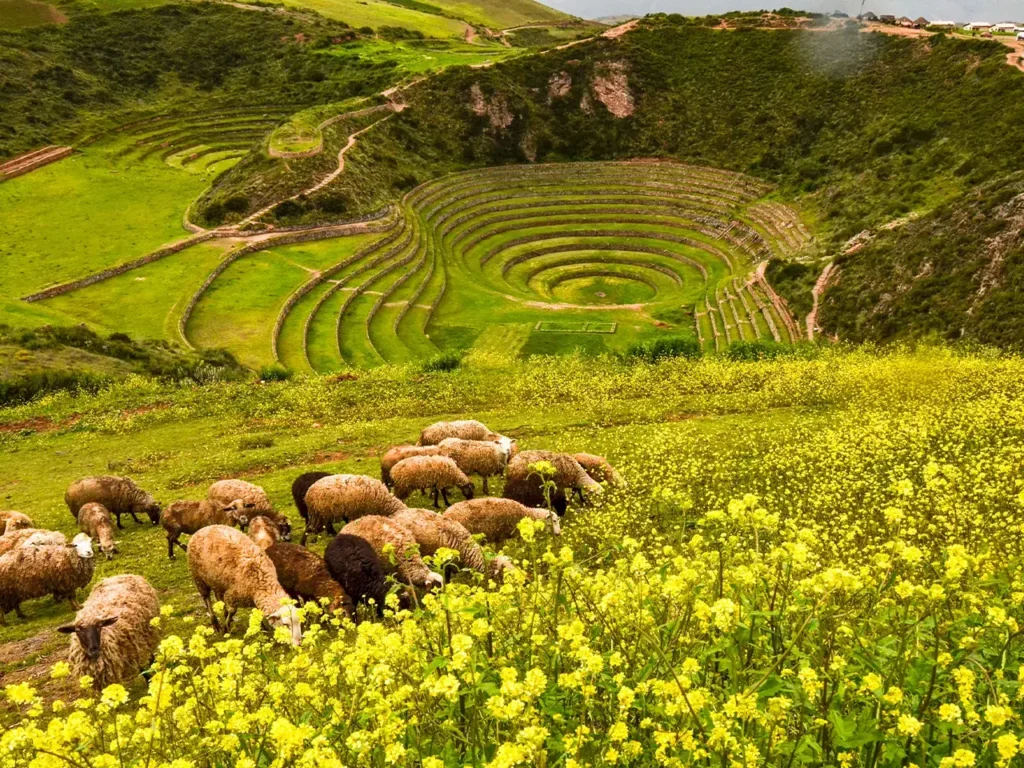
Located 53 km (approx. 33 miles) from the city of Cusco—about a 1-hour drive via the Cusco-Maras route—Moray sits at an altitude of 3,385 meters (11,105 ft) above sea level. It is situated within the farming community of Mullakas Misminay in the province of Urubamba, covering an area of 37,000 hectares.
Moray was an Incan agricultural research center that utilized a method similar to what we now know as "crop rotation." Discovered over 90 years ago, it remains a treasure of agricultural engineering.
The origin of the name "Moray" comes from Quechua. It is said to be a contraction of the words Muyu (round) and Uruy (down). It could also stem from the word Aymora, which refers to the corn harvest and the month of March.
Historical records indicate that the first terraces were built by a pre-Incan culture, the Maras, between the 6th and 10th centuries. The second phase was later constructed by the Incas between the 12th and 14th centuries during the expansion led by the Inca Pachacútec.
The Inca civilization brought products from all territories of the Tahuantinsuyo to be planted in the fertile soil of Moray. Each terrace was constructed with its own irrigation channels and functions as a unique microclimate. The difference in average annual temperature between the top and the bottom of the depressions can reach up to 15°C (27°F).
The circular terrace complexes reach depths of up to 150 meters (492 ft), with each level having an average height of 1.80 meters (approx. 6 ft). Nearly 20 different microclimates can be found within these terraces.
The system is divided into groups of four terraces. The first four have a more humid climate with temperatures near 0°C. The next four show a slight increase in temperature, with a difference of up to 3°C compared to the previous ones. The final four terraces experience more marked climatic variations due to their greater exposure to the sun and seasonal changes, especially during the dry season (April to October).
The circular shape of the terraces incorporates irrigation channels with an incline that facilitates uniform watering. Each terrace generates a distinct microclimate, allowing for the cultivation of diverse plants and grains while optimizing agricultural productivity.
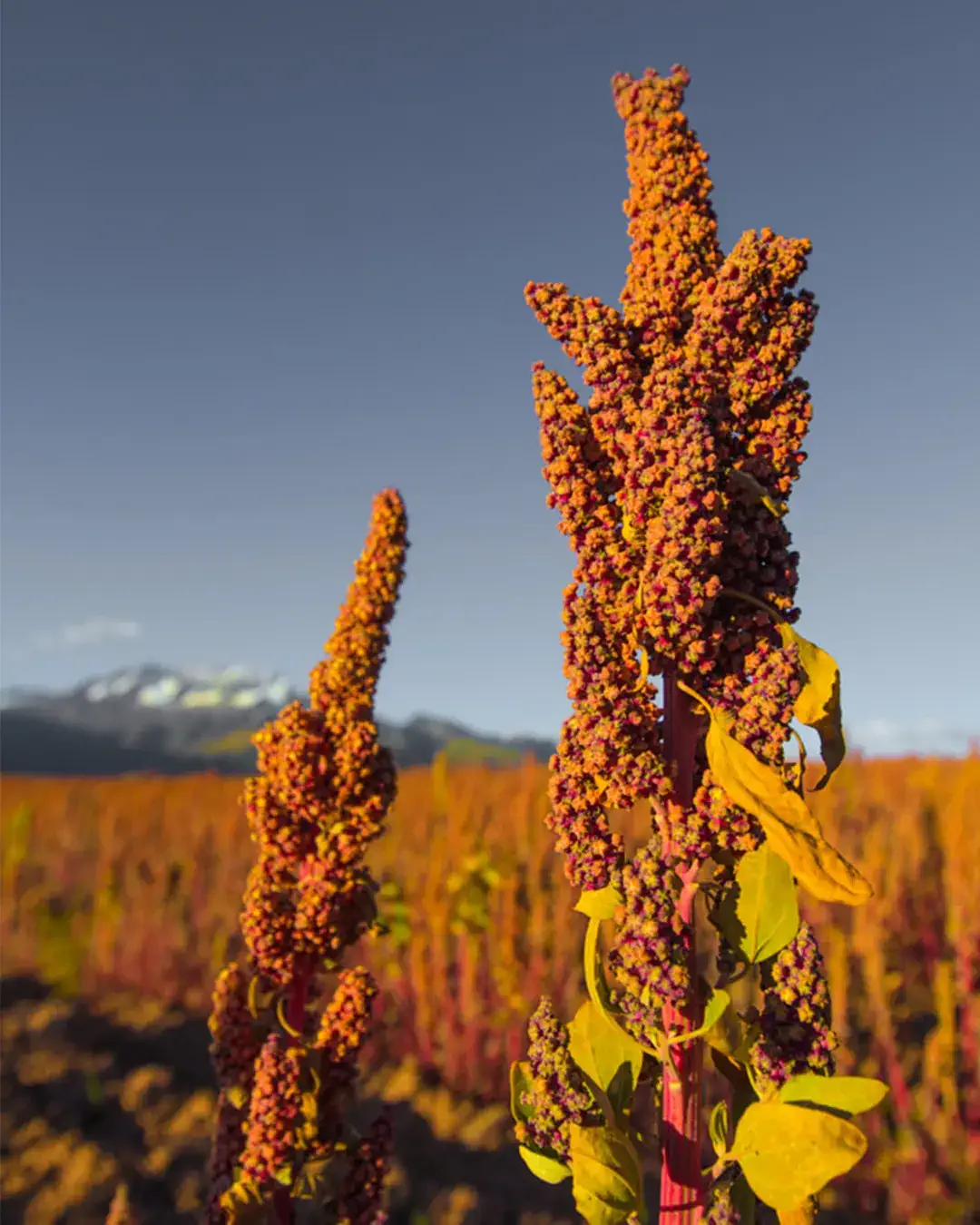
The terraces are built upon retaining walls, filled with fertile soil, and fed by complex irrigation systems. More than 250 plant species were grown in this system. Among the most notable crops:
The climate in Moray is relatively stable throughout the year, though temperatures can vary significantly between day and night. Snowfall is rare, and temperatures typically range between 1°C and 8°C at their lowest levels.
The classic Maras-Moray tour offers options for those seeking an adrenaline boost, such as ATV (quad bike) or mountain biking routes. These activities are perfect for exploring the area in an active and exciting way.
Tour Details:
Whether you choose a guided tour or a private adventure, you will find several routes adapted to your preferences, allowing you to enjoy the unique landscape that surrounds Moray.

Recomendado por







Copyright 2025. All Right Reserved | politica de Privacidad & Terminos y condiciones

