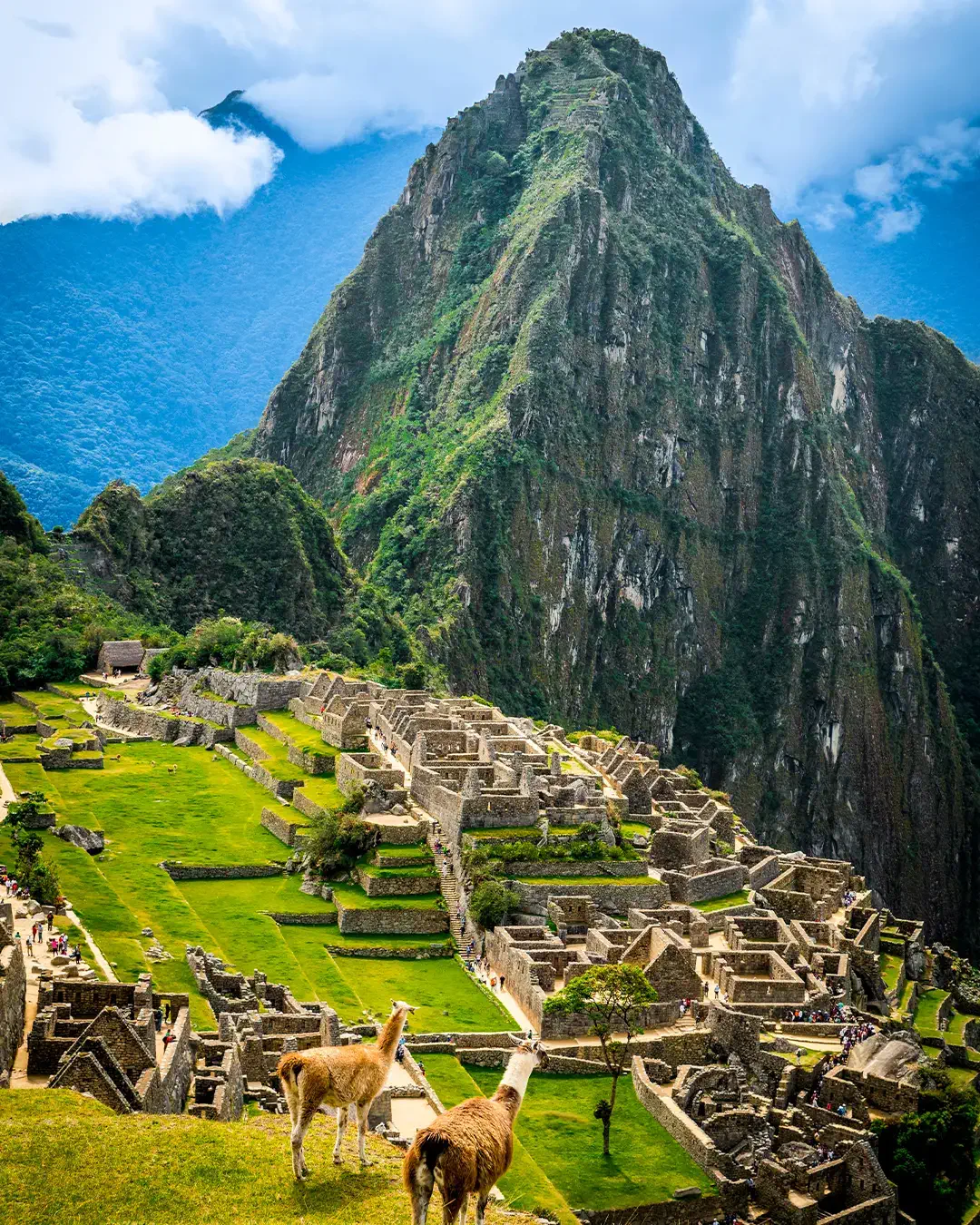
Plan your trip to the "navel of the world." Learn the differences between the dry and rainy seasons, and choose the perfect month for your Andean adventure.
When is the best time to visit Cusco?
Deciding the date of your trip to Cusco and Machu Picchu will depend entirely on the type of experience you are looking for. The Andean region is not divided into four traditional seasons (spring, summer, autumn, winter), but is strongly marked by two main seasons: the dry season and the rainy season.
Both offer unique advantages, from clear skies perfect for hiking, to vibrant emerald-green landscapes with far fewer tourists. Below, we break down each period to help you make the best decision.
The Dry Season (May to October)
It is universally considered the best time to visit the Incan wonder, especially if your main goal is hiking. During these months, rainfall is scarce and the skies are usually a deep blue, which guarantees clear mountain views.
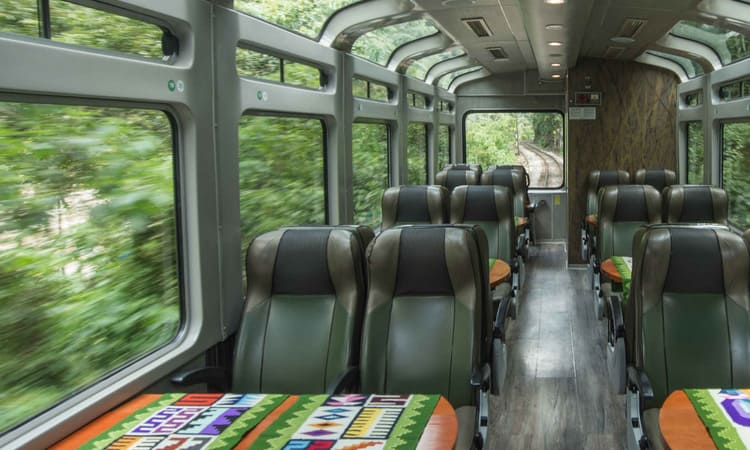
- Advantages: It is the ideal time to hike the Inca Trail or the Salkantay trek without the risk of landslides. Flights and trains are rarely delayed due to bad weather, and photographs turn out spectacular.
- Disadvantages: It coincides with the Andean winter. Although the days are warm and sunny (reaching 20°C/68°F), the nights and early mornings are extremely cold, often dropping to 0°C/32°F or lower in the city of Cusco and the Sacred Valley.
The Rainy Season (November to April)
Starting in November, clouds begin to cover the Andes, with January and February being the months with the heaviest rainfall. However, this does not mean it rains all day without stopping; storms are usually intense but short, often occurring in the afternoons.
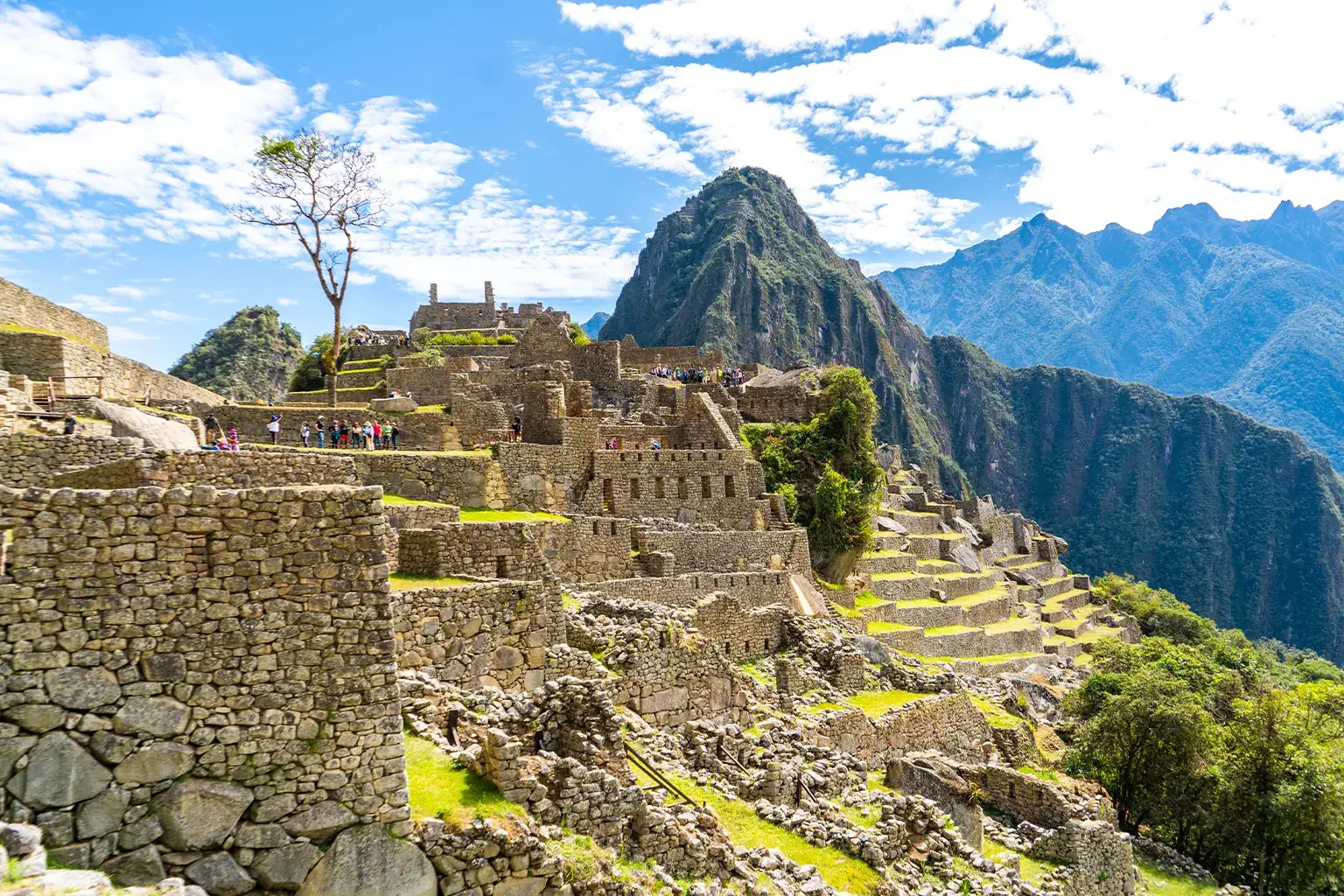
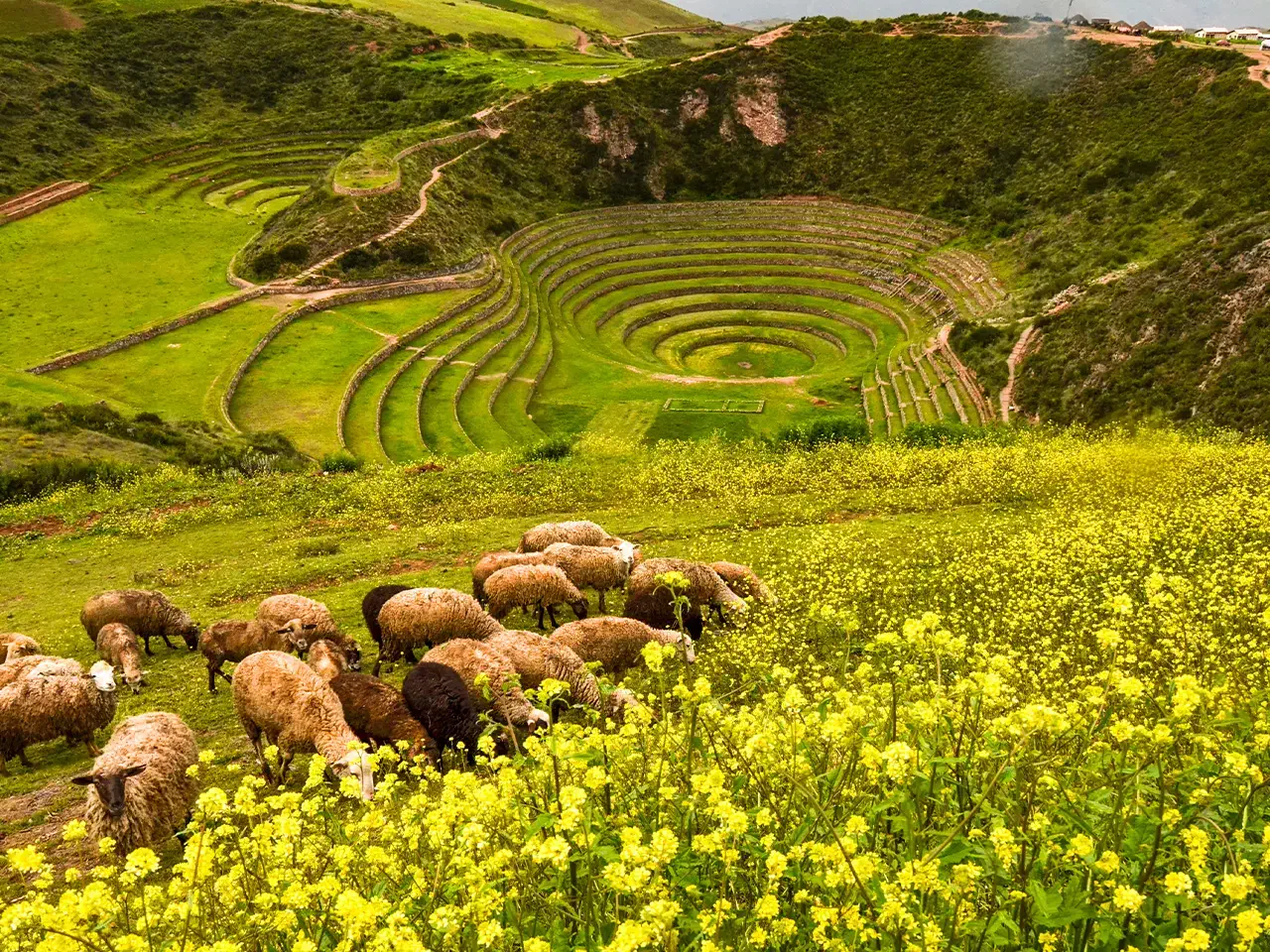
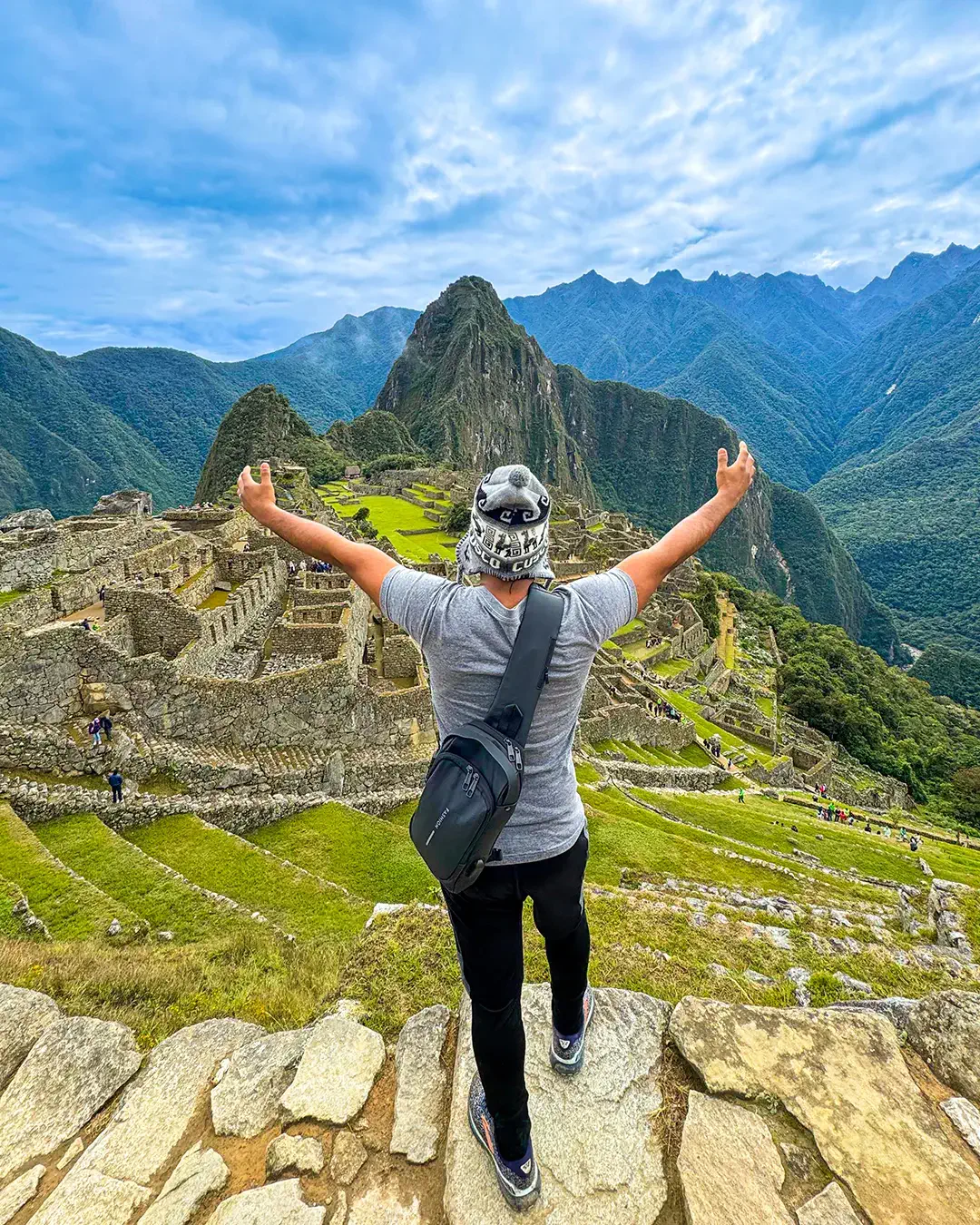
- Advantages: The Sacred Valley and the terraces of Machu Picchu take on a spectacular green color that is teeming with life. In addition, temperatures are milder at night. It is the perfect time for those looking for a more mystical and peaceful trip.
- Disadvantages: The weather is unpredictable. Morning mist at Machu Picchu can hide the classic view of the citadel, although it usually clears up by midday. There is a risk of train cancellations or temporary closure of access points due to landslides on the tracks.
High Season vs. Low Season: Prices and Crowds
The weather directly dictates the flow of tourists and, therefore, the prices in the region.
- High Season (June to August): Attracts thousands of tourists from North America and Europe whose travel coincides with their summer holidays. During these months, bus queues are longer, archaeological sites are packed with people, and it is mandatory to book hotels, trains, and tickets to Machu Picchu up to three months in advance. Prices reach their peak.
- Low Season (January to March): Offers reduced prices on flights, luxury accommodations, and tourist services. It is possible to find last-minute deals and enjoy a photographic experience at Machu Picchu almost entirely alone, without crowds interfering with your shots.
- Shoulder Season: If you are looking for a middle ground, April, May, September, and October are the transition months, offering a perfect balance between good weather, reasonable prices, and a manageable number of visitors.
Traveling in June: The Jubilee Month and Inti Raymi
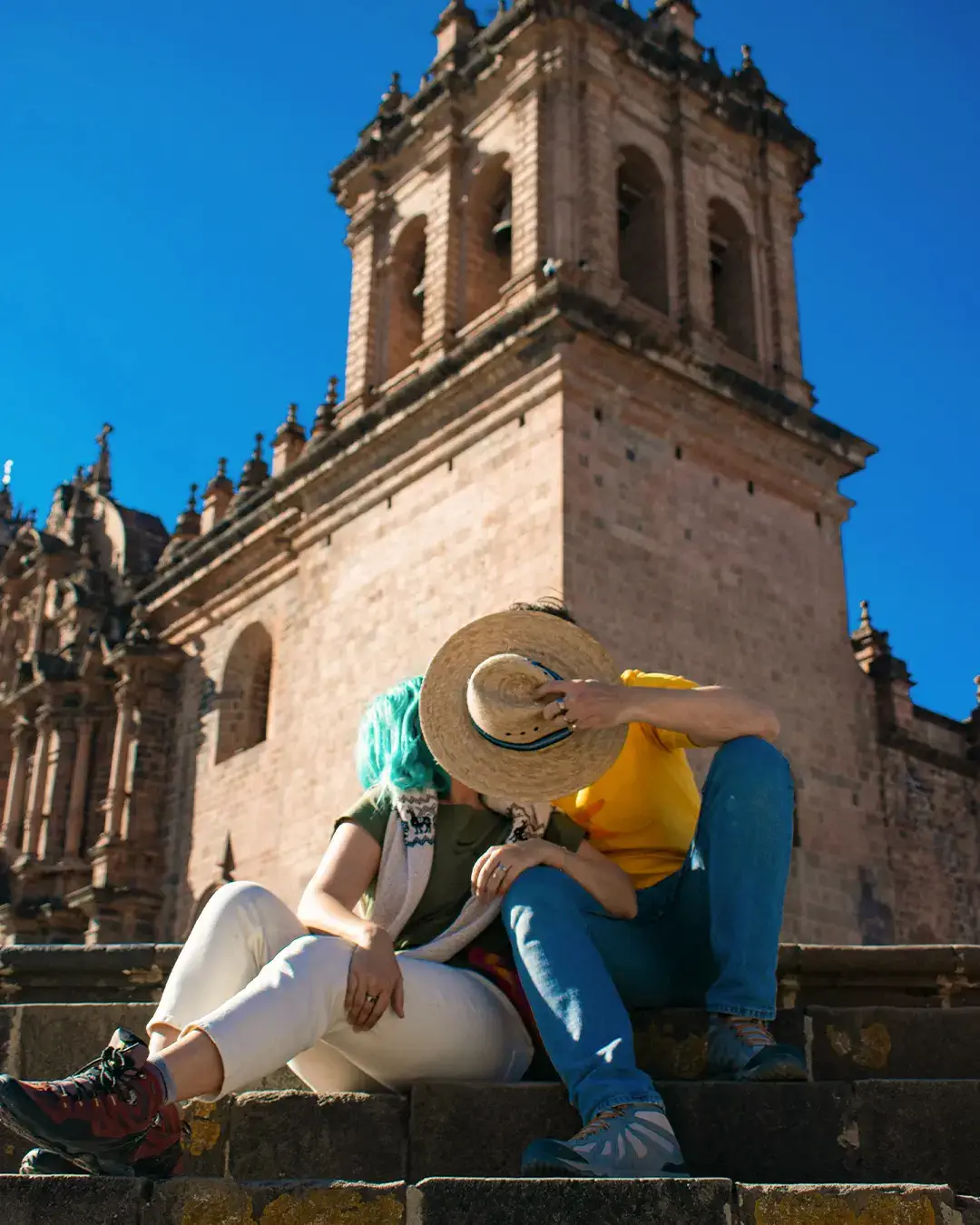
If you decide to travel in June, you should know that Cusco becomes an endless party. It is the city's jubilee month, and its streets fill with parades, daily folk dances, gastronomic fairs, and school processions.
The climax occurs on June 24th with the celebration of Inti Raymi (Festival of the Sun), the most important Incan festival, which is staged at the Sacsayhuamán fortress. Traveling on this date guarantees a deep cultural immersion, but requires that all your reservations be made half a year in advance, as the city's hotel capacity reaches 100%.
The Microclimate of Machu Picchu vs. Cusco
A common mistake is assuming that Cusco and Machu Picchu have the same climate. The city of Cusco is at 3,400 meters (11,155 ft) altitude in a high mountain dry valley.
In contrast, Machu Picchu is located at only 2,430 meters (7,972 ft) in an ecosystem known as the ceja de selva (cloud forest). This means the Incan citadel is significantly warmer and more humid than Cusco. Even during the dry season, it is possible to experience brief drizzles at Machu Picchu, and mosquitoes are a constant presence year-round, so repellent is mandatory regardless of the month of your visit.
The Inca Trail Maintenance Closure
A strict rule you should know if you plan on hiking is that the historic Classic Inca Trail (4-day and 2-day versions) closes completely throughout the entire month of February every year.
The Peruvian Ministry of Culture implements this closure for two fundamental reasons: to safeguard the integrity of tourists during the rainiest month of the year (avoiding accidents due to slippery terrain) and to carry out conservation work, drain maintenance, and cleaning of the campsites along the route. If you travel in February, the only way to reach the citadel will be via the traditional train route.
Photography and Landscapes: Green or Golden Mountains?
For photography lovers, the choice of month will define the color palette of your trip:
- If you seek the contrast of deep blue sky with golden mountains and yellow grasslands: The ideal time is from July to September. The drought changes the pigmentation of the Andes, giving them a rustic and spectacular look at sunset.
- If you dream of the classic postcard of radiant green terraces, orchids in bloom, and a thick jungle setting: You should travel between March and May, right after the heavy rains end and the earth has absorbed all the water.
Clothing Recommendations by Season
- For the Dry Season: The secret is to dress in "layers." You will need a good winter jacket or down coat for the early mornings (especially if you are waiting for your bus at 5:00 a.m. in Aguas Calientes), but underneath you should wear light clothing like cotton t-shirts. As the day progresses and the sun hits hard, you will need to peel off the outer layers. High-SPF sunscreen and hats are vital.
- For the Rainy Season: The most important item in your suitcase should be a waterproof poncho or a water-resistant windbreaker jacket. Avoid carrying umbrellas on archaeological tours, as having free hands is necessary for your safety on the stone stairs. Trekking footwear with good grip and waterproof technology (such as Gore-Tex) will prevent your feet from freezing if you get caught in a storm.