The Qorikancha, or "Temple of the Sun," stands as an astounding testament to the grandeur of the Inca Empire and the impact of Spanish colonial influence. This historical site not only represents the religious and ceremonial heart of the Inca, but also offers a fascinating glimpse into the encounter between two worlds. Today, the Qorikancha is a site of immense interest for both history enthusiasts and visitors eager to better understand Cusco's rich heritage.
History
The Qorikancha, whose name in Quechua means "Golden Enclosure," was the primary temple dedicated to the Sun God, Inti, a deity of vital importance in the Inca religion. Built during the reign of the Inca Pachacútec in the 15th century, the temple served as the spiritual center of the Inca Empire. Its significance was reflected in the opulence of its design; the temple walls were once covered in sheets of solid gold, which captured and reflected the sunlight in a dazzling spectacle.
- The Qorikancha during the Inca Era
From Inca Temple to Spanish Convent
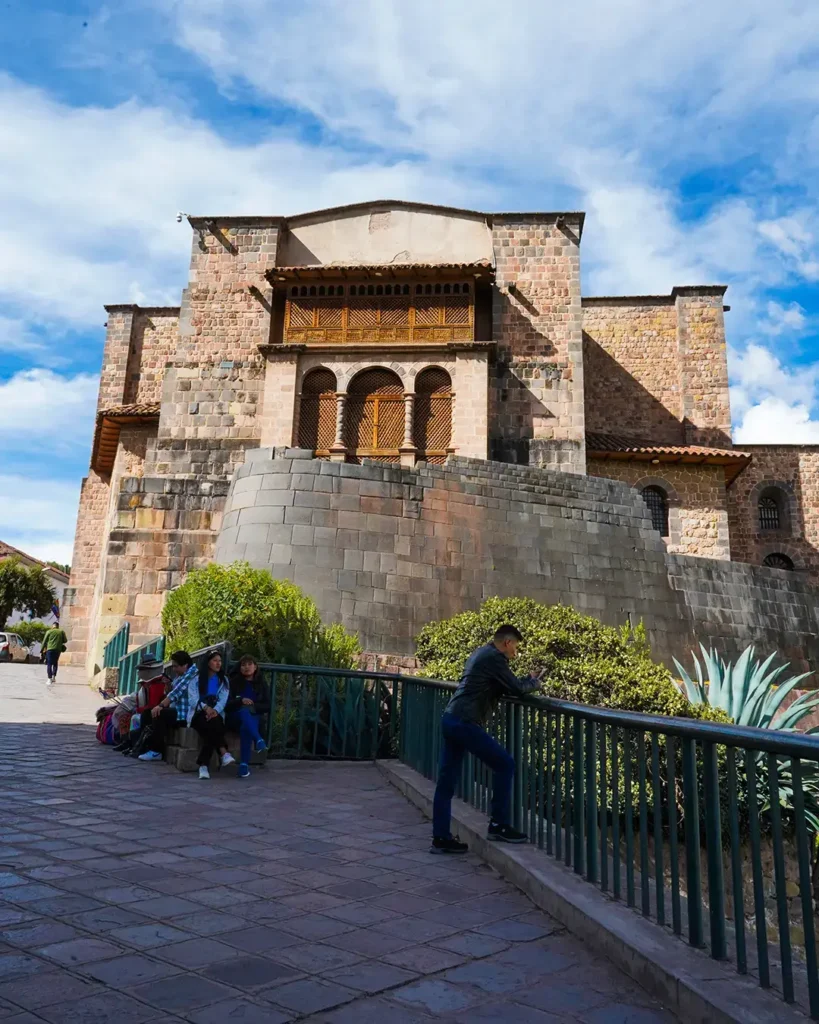
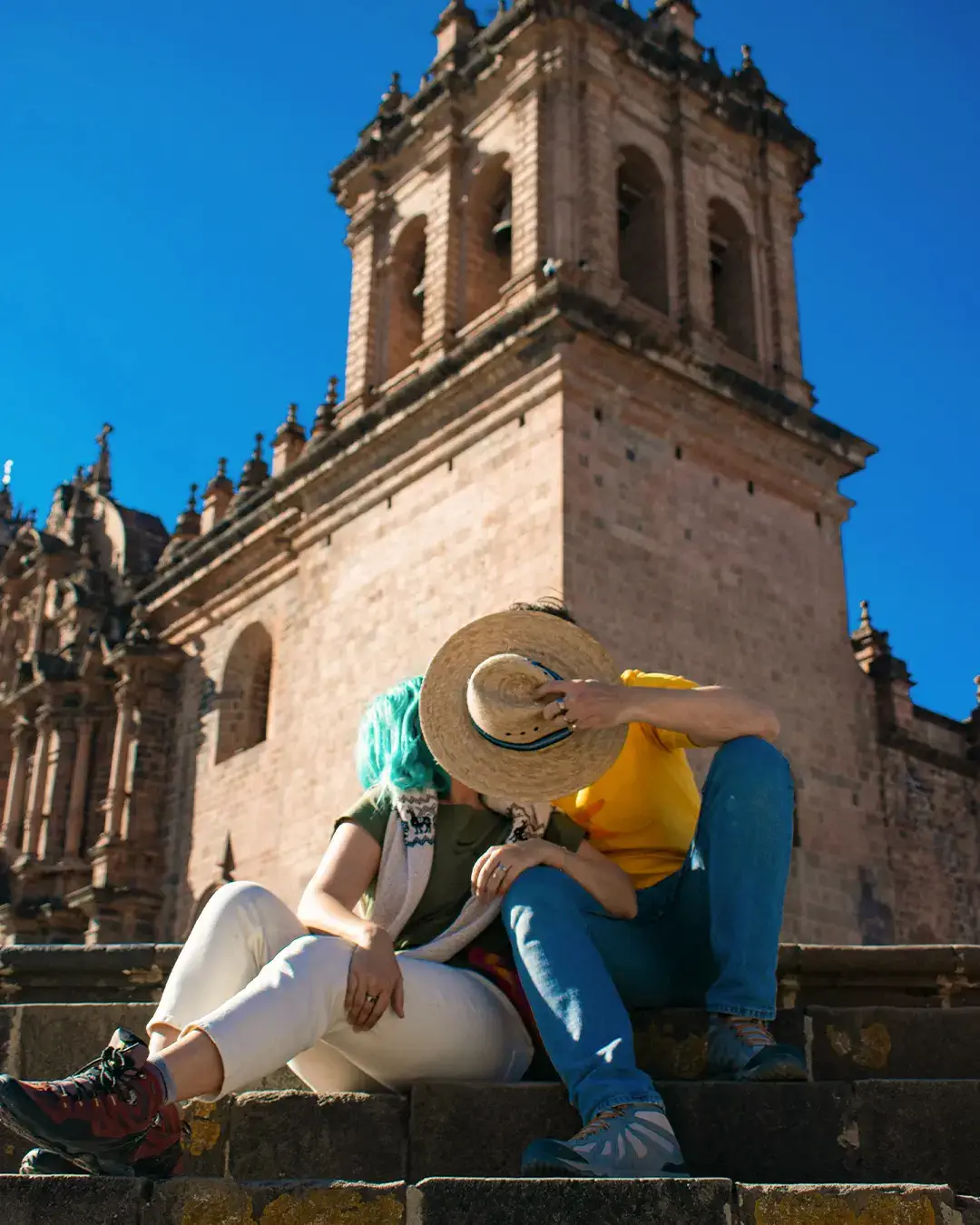
With the arrival of the Spanish conquistadors in the 16th century, the Qorikancha underwent a dramatic transformation. The Spaniards built the Convent of Santo Domingo directly over the foundations of the ancient Inca temple. This conversion symbolizes the attempt to impose a new religion and culture upon an entire civilization. Despite significant destruction, the original Inca structures can still be admired today—their imposing stone walls provide a striking contrast to the colonial architecture built atop them.
What to Visit
- Inca Walls: The walls of the Qorikancha are an impressive example of Inca engineering. The stones were carved with such precision that they fit together perfectly without the need for mortar. This construction technique not only demonstrates the technical skill of the Inca, but also offers insight into the aesthetics and advanced engineering of the era.
- Temple of the Sun: This area provides exhibits on the history and significance of the site. Although much was destroyed or covered by colonial construction, you can still see remnants of the walls and the structures that once adorned the site. The layout of the ceremonial rooms and altars still reflects the temple’s importance in Inca religious life.
- Convent of Santo Domingo: Built in the 16th century, the convent offers a fascinating contrast to the underlying Inca structure. The church and convent are decorated with Baroque and Renaissance details, symbolizing the cultural and religious shift that occurred during colonization.
- Water Cult Enclosure
Recommendations
Follow these recommendations to ensure an unforgettable experience:
- Guided Tour: To fully immerse yourself in the history and significance of the Qorikancha, consider taking a guided tour. Expert guides can provide detailed information and answer any questions about this marvelous site.
- Clothing and Footwear: Wear comfortable clothing and appropriate walking shoes. While most of the site is indoors, there are outdoor areas, so be prepared for Cusco’s changing weather.
- Photography: The contrast between the Inca and colonial structures offers unique photographic opportunities. Be sure to bring a camera to capture the beauty of the site.
- Respect the Environment: As with any historical site, it is important to follow local rules and respect the cultural and archaeological heritage.