
Walk the legendary stone path of the sovereigns of the Tahuantinsuyo. An epic adventure that combines cloud forests, hidden citadels, and the triumphant entrance to Machu Picchu through the Sun Gate.
The Inca Trail is not just a hike to reach Machu Picchu; it is one of the most famous, mystical, and coveted trekking experiences on the planet. It is part of the Qhapaq Ñan, the gigantic pre-Hispanic road network that connected the four suyus (regions) of the Inca Empire, spanning more than 30,000 kilometers across six modern-day South American countries.
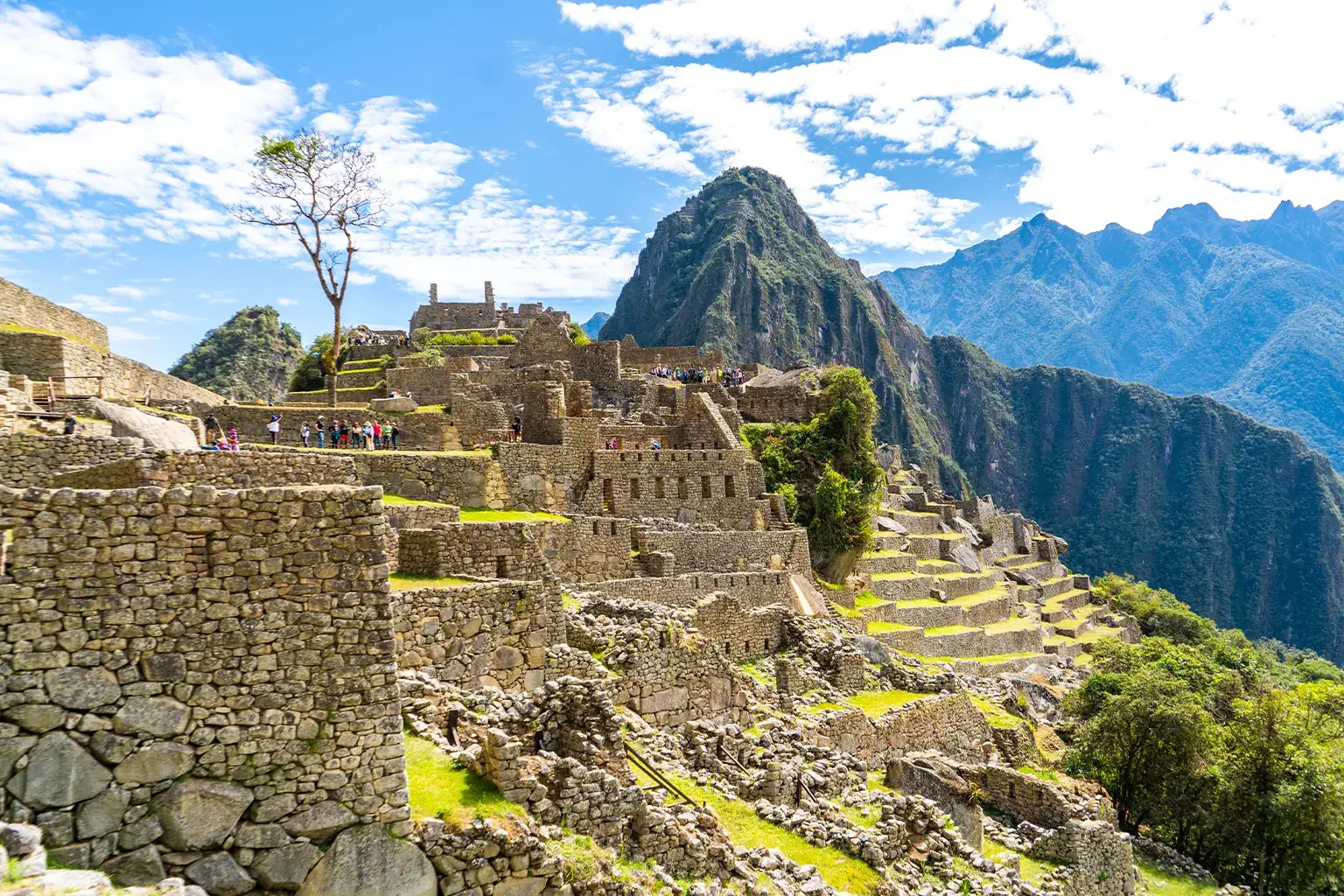
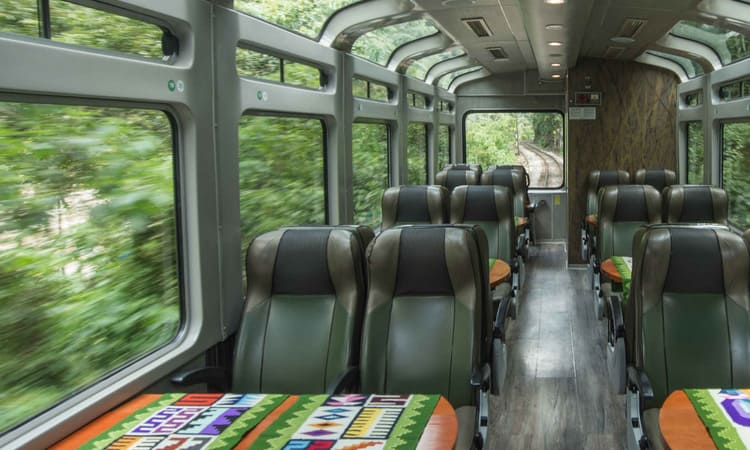
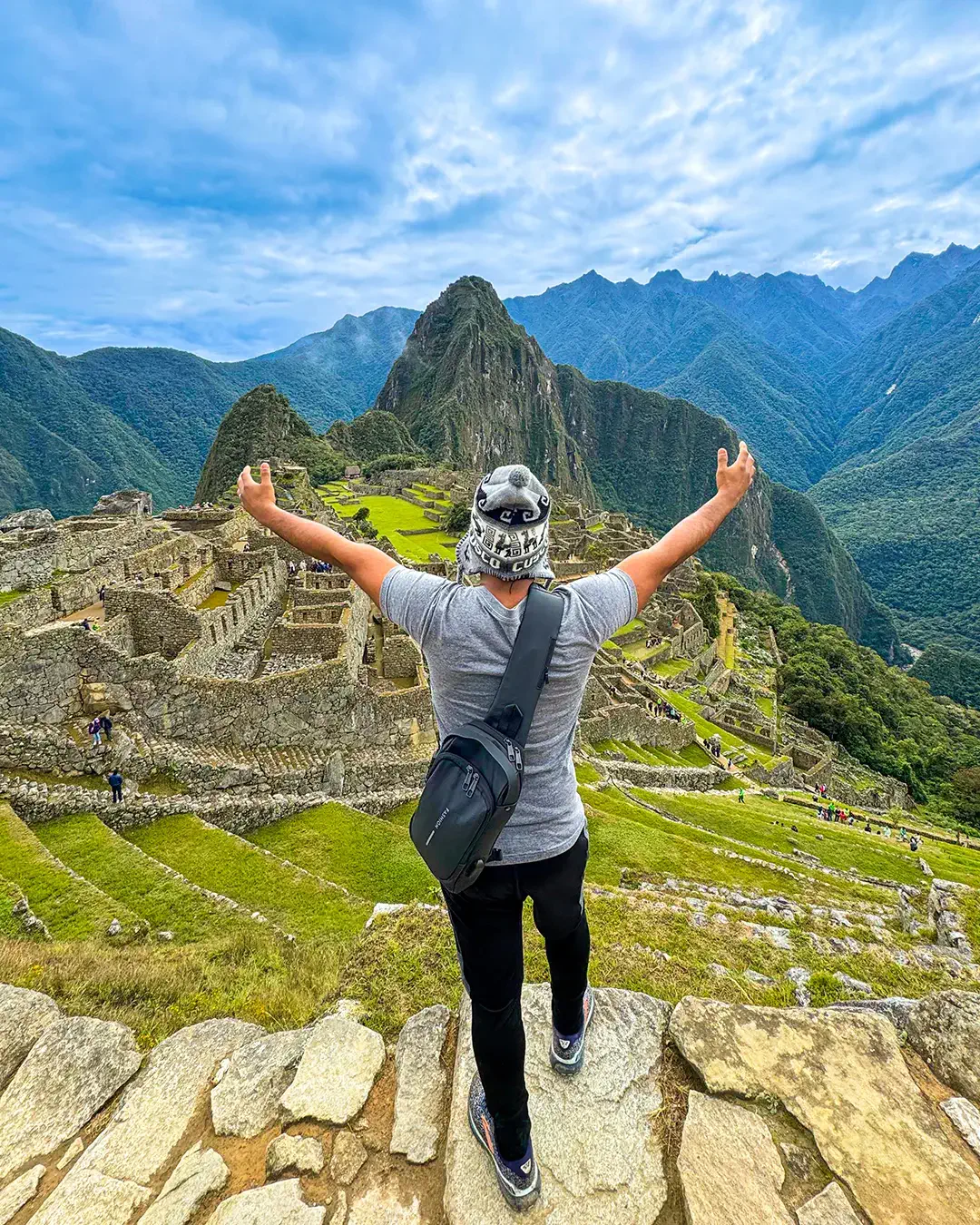
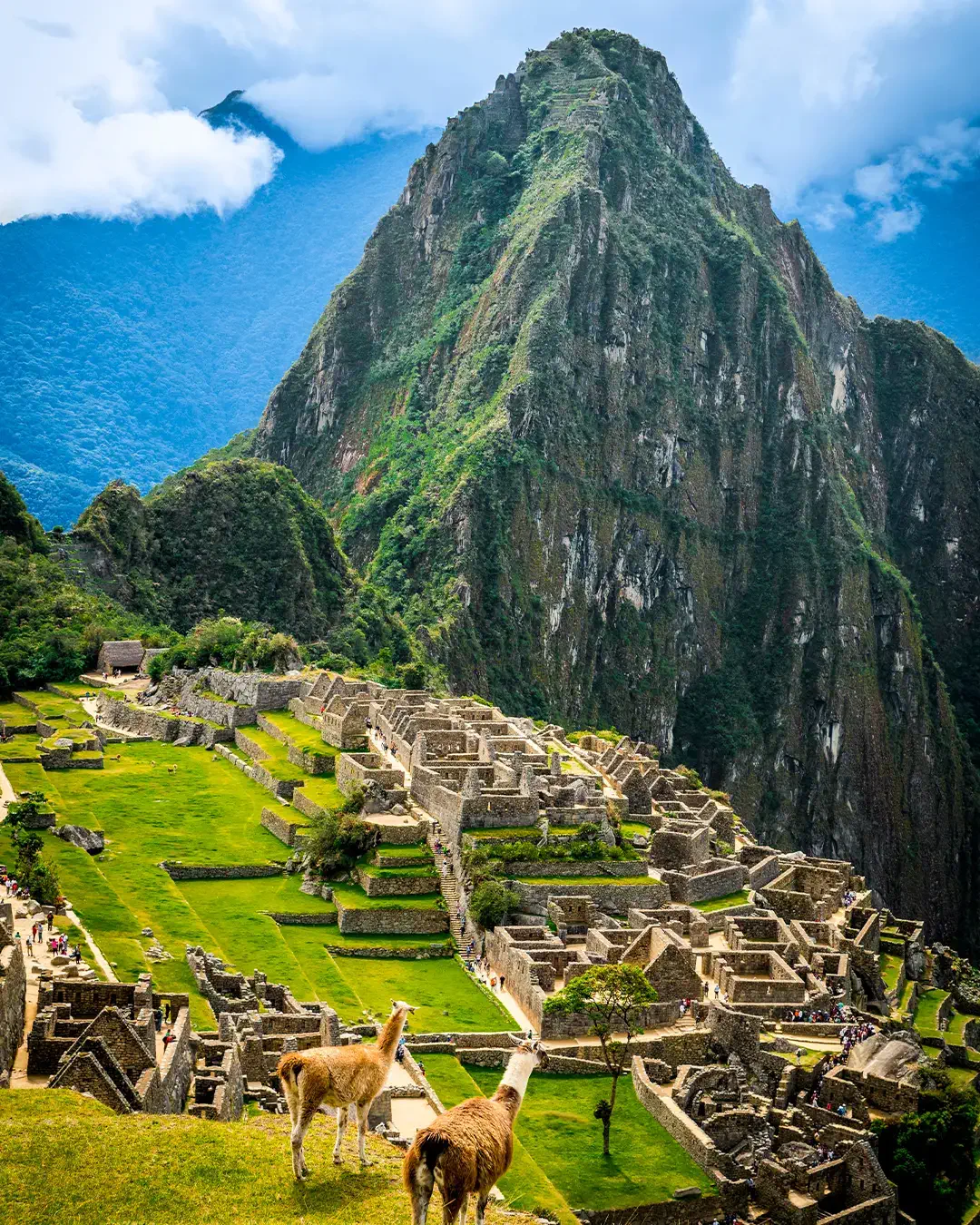
What makes this route unique in the world is that the path you walk upon consists almost entirely of original stone blocks placed by the Incas over five centuries ago. Furthermore, unlike the trains that arrive directly at the town of Aguas Calientes via the canyon floor, Inca Trail trekkers have the exclusive privilege of entering the citadel through the Intipunku (The Sun Gate), gaining the mythical aerial view of the sanctuary at sunrise.
Depending on your time, budget, and physical condition, the Ministry of Culture offers two authorized ways to traverse this stone path:
One of the greatest surprises for hikers is discovering that Machu Picchu is not the only attraction on the trip. The Inca Trail was designed as a pilgrimage and military control route dotted with citadels and strategic watchposts that can only be seen by those who trek:
Every guide or traveler who has completed the classic route will tell you the same thing: the second day is the most physically demanding of the entire trip. It is the day of the dreaded ascent toward the Warmiwañusca Pass (which in Quechua means "Dead Woman's Pass").
It is the highest geographic point on the entire Inca Trail, located at a staggering 4,215 meters (13,828 ft) above sea level. The ascent involves several hours of constant uphill walking, overcoming hundreds of high stone steps. The lack of oxygen is strongly felt, requiring frequent stops to catch your breath. The reward of reaching the summit, surrounded by snow-capped peaks and with an overwhelming view of the valleys you left behind, is an indescribable adrenaline rush.
The weather in Cusco's "eyebrow of the jungle" (ceja de selva) is very distinct and strongly defines the trekking experience:
Due to its immense historical and ecological value, the Peruvian government protects the Inca Trail with strict rules to prevent deterioration from tourist overcapacity.
The most important rule to note on your travel calendar is that the Inca Trail closes completely throughout the entire month of February. During these four weeks, conservation teams from the Ministry of Culture repair bridges, clean stone drains, and reforest the trails. Tour agencies take this month to maintain their camping equipment. Note that Machu Picchu remains open in February; only the Inca Trail pedestrian path is closed.
To preserve the ecosystem, the government issues a strict limit of only 500 entry permits per day for the classic 4-day route. However, this number is misleading: of those 500 spots, nearly 300 are mandatory assignments for support staff (guides, porters, and cooks). This means there are only about 200 daily permits available for tourists from all over the world.
For this reason, getting a spot is a race against time. If you plan to hike the Inca Trail during the high season months (June, July, or August), you must book your space at least 5 to 6 months in advance. Reservations for the entire year usually open in the final months of the previous year.
Strict Rule: It is strictly forbidden to hike the Inca Trail independently or as a "backpacker." You cannot simply buy a map and start walking on your own.
Access to the trail is guarded by state park rangers, and entry is only permitted to travelers who are part of a group organized by a Travel and Tourism Agency authorized by SERNANP. These agencies are responsible for processing your official permit (associated directly with your name and passport number), providing certified tour guides, standard-compliant camping equipment, and coordinating food during your days of isolation in the mountains.
Behind every traveler who successfully completes the Inca Trail, there is an extraordinary team: the porters or "modern-day chasquis."
Recomendado por







Copyright 2025. All Right Reserved | politica de Privacidad & Terminos y condiciones

