
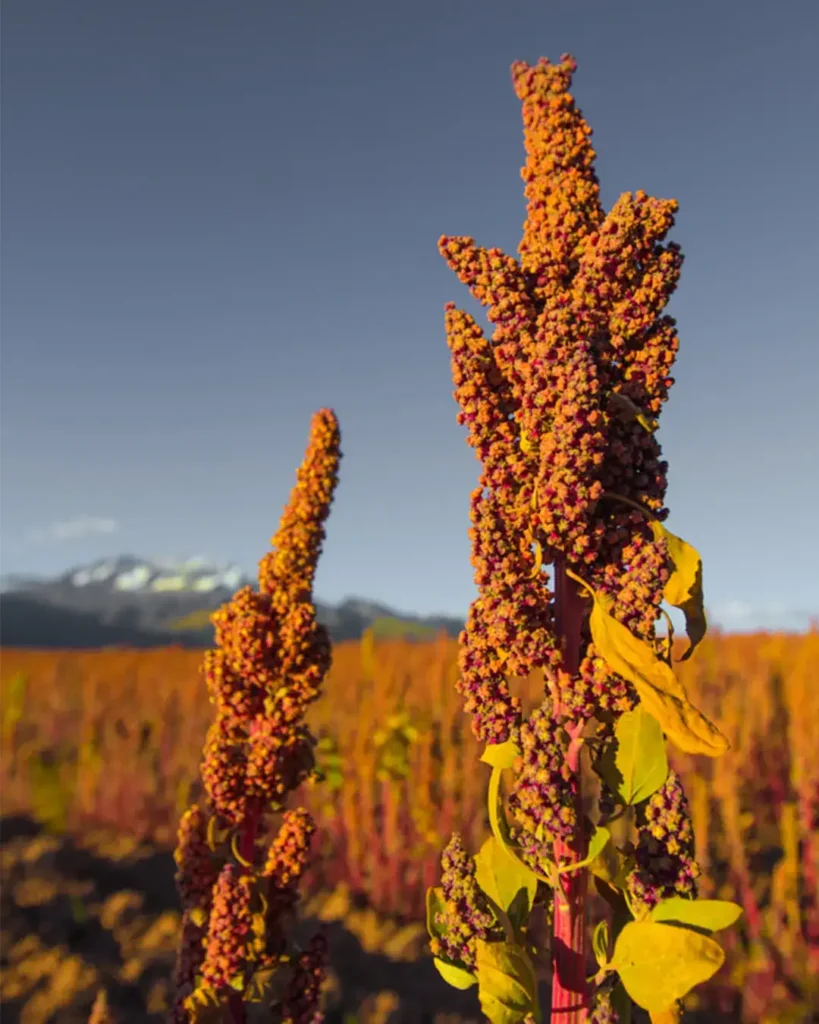
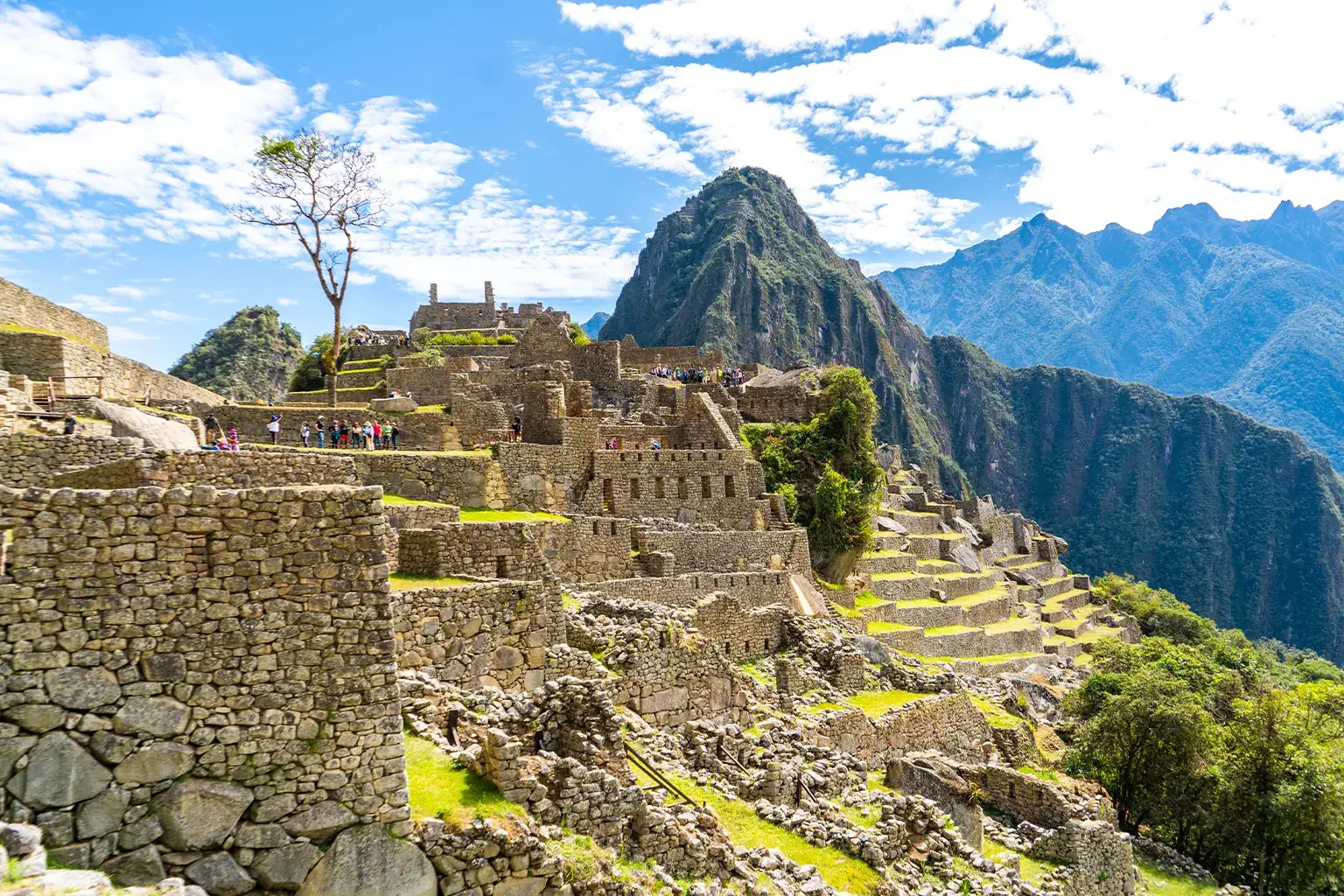
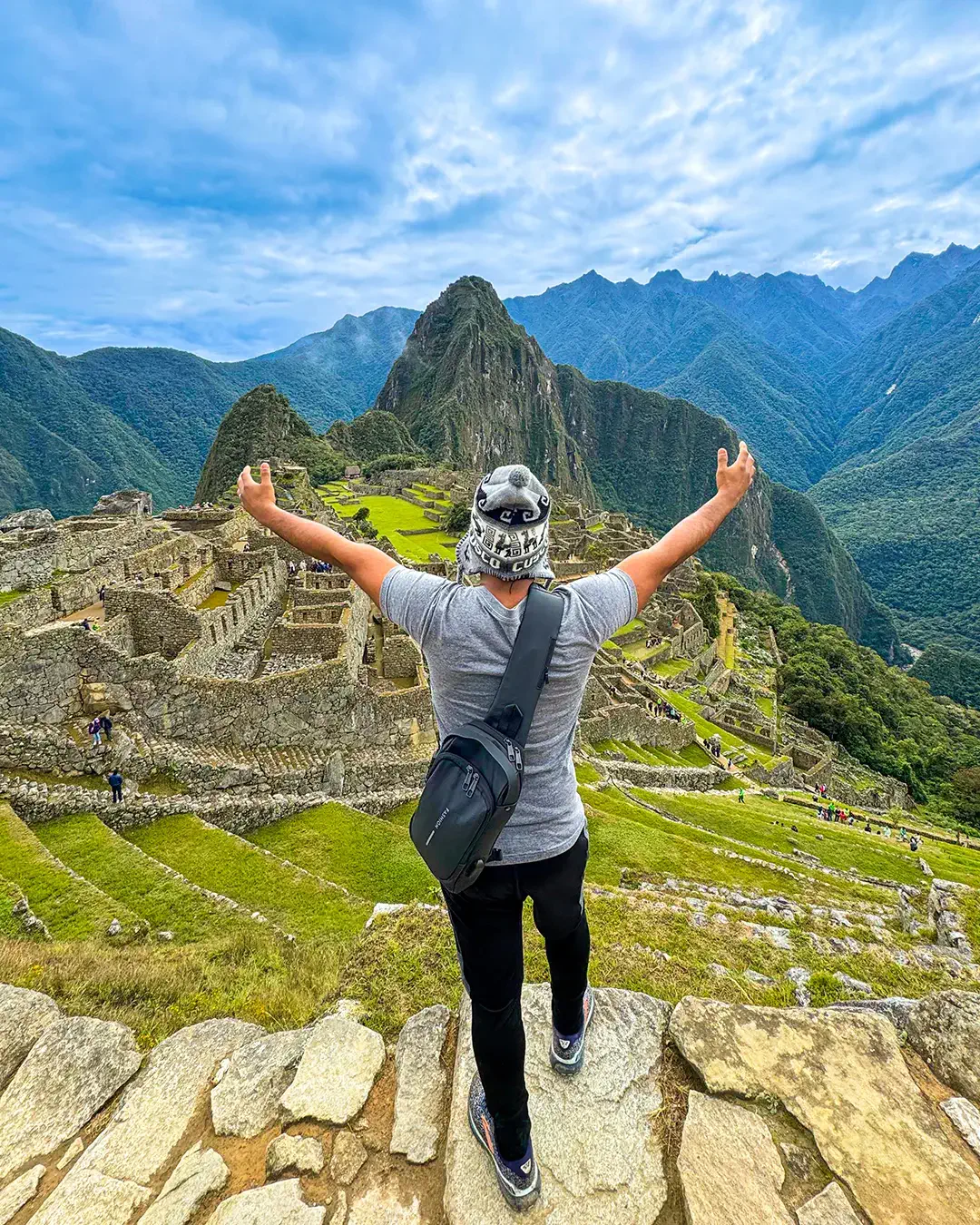
If Machu Picchu is the crown jewel, the Sacred Valley is the chest that guards it. Many travelers make the mistake of arriving in Cusco and heading straight to the Inca citadel, missing out on one of the most fascinating, beautiful, and culturally rich regions of the Peruvian Andes.
Exploring the Sacred Valley not only treats you to breathtaking landscapes, but it is also the perfect strategy to acclimate to the altitude and understand the history before setting foot in Machu Picchu.
Cusco sits at nearly 3,400 meters (11,152 feet) above sea level, an altitude that can cause soroche (altitude sickness) during your first few days. The Sacred Valley, on the other hand, has an average altitude of 2,800 meters (9,186 feet). Heading down to the valley upon arriving in Cusco allows your body to adjust much more smoothly. Additionally, the climate is warmer, and the route follows the course of the Urubamba River, setting the historical stage for your final visit to Machu Picchu.
Pisac is usually the first stop. Its archaeological site, high up on the mountain, houses some of the most extensive and perfect agricultural terraces of the Inca Empire, as well as an ancient cemetery carved into the mountain rock. Upon heading down to the town, you will encounter its famous market. Although it is open every day, Sundays come alive in a special way. It is the ideal place to buy textiles, ceramics, and silver jewelry directly from local artisans.
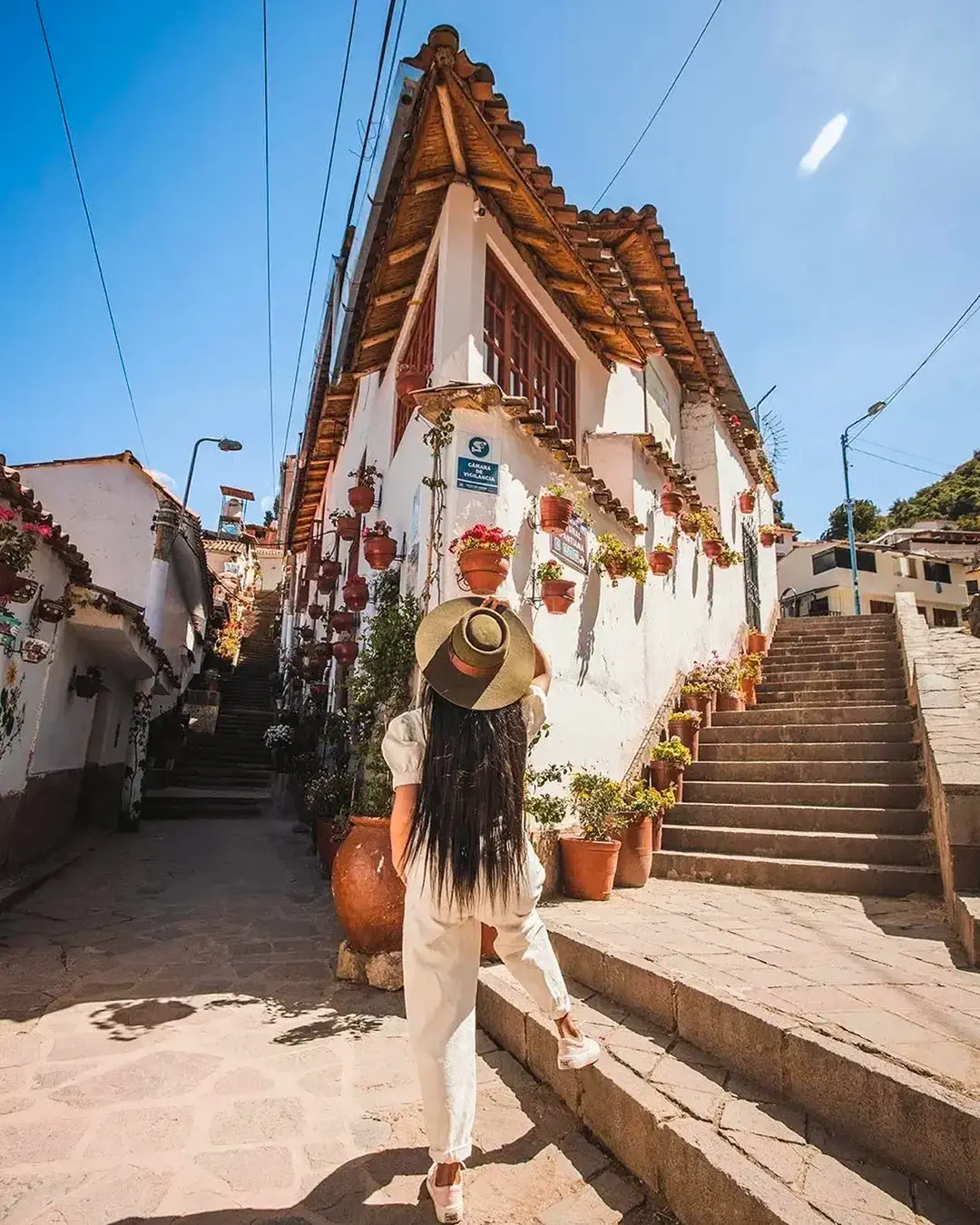
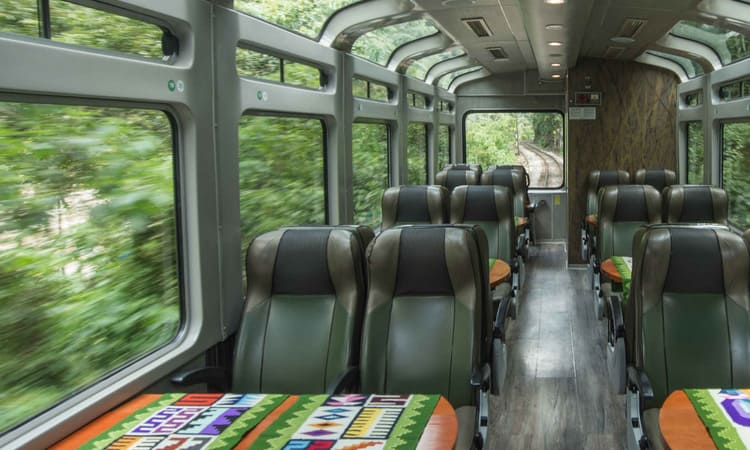
Known as the only Inca town that is still inhabited in the same way it was centuries ago, Ollantaytambo is a journey back in time. Its cobblestone streets, original water channels, and mud-brick (adobe) houses transport you to the past. Its fortress is imposing and was one of the few places where the Incas managed to defeat the Spanish conquistadors. Furthermore, it is a strategic point: this is where most trains depart for Machu Picchu Pueblo (Aguas Calientes).
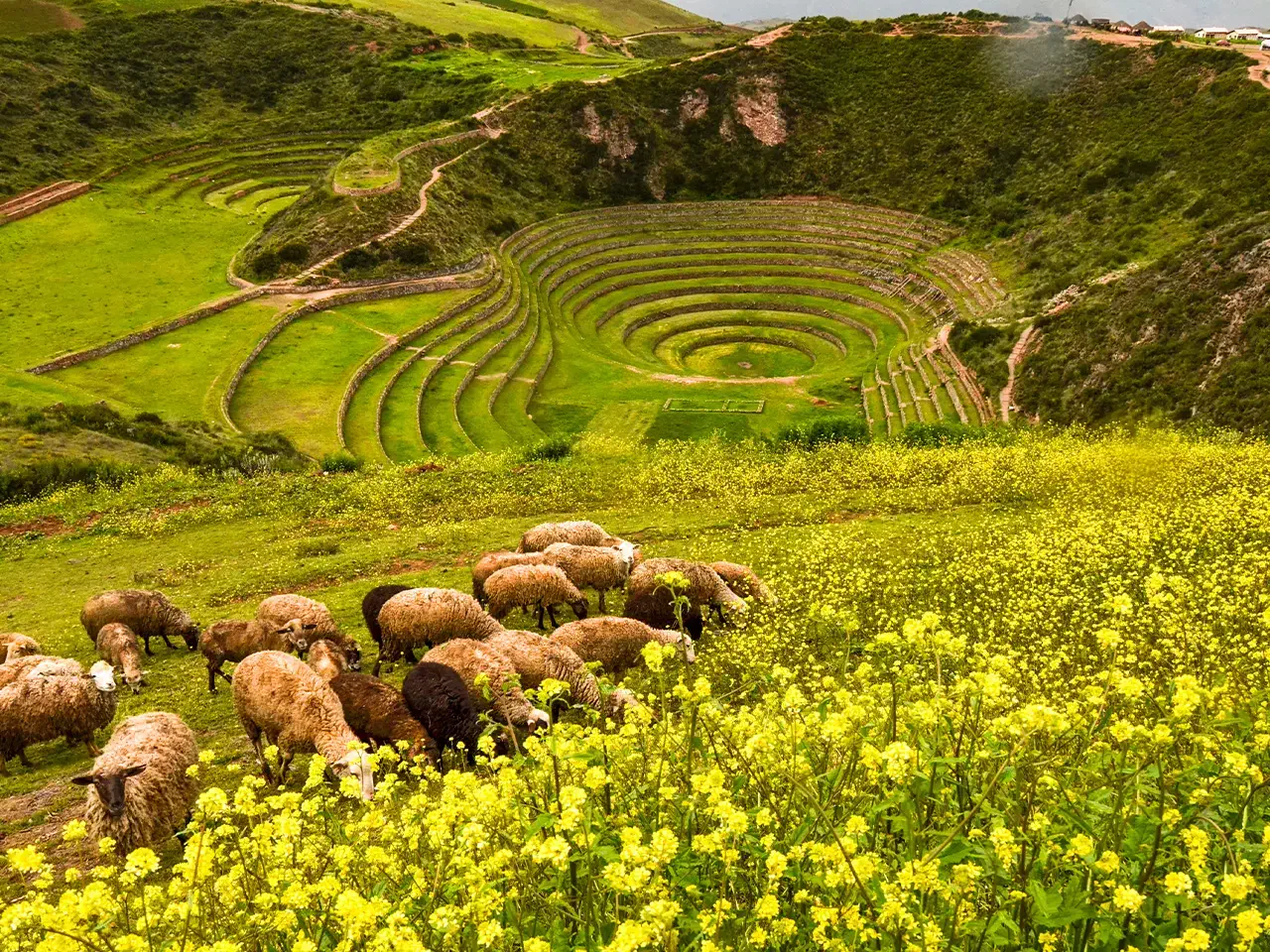
At first glance, it looks like a giant amphitheater of concentric circular terraces, but Moray is much more than that. It is believed to have been a sophisticated agricultural research center. Each level of the terraces has a different microclimate, with temperature variations of up to 15°C (27°F) between the top and the bottom. This allowed the Incas to domesticate plants from different altitudes and regions of the empire.
A short distance from Moray hides an unparalleled visual spectacle: thousands of small, white pools stepped down the slope of a canyon. The Maras Salt Mines are fed by a subterranean spring of hypersaline water that has been exploited since pre-Inca times. The water evaporates under the Andean sun, leaving behind the famous Maras pink salt, highly valued in global gastronomy.
Located at a higher altitude and surrounded by the snow-capped peaks of Chicón and Verónica, Chinchero is the heart of Andean textile art. Here, you can visit interpretation centers where local women, dressed in their traditional attire, demonstrate the millenary process of washing, spinning, and dyeing alpaca wool using natural roots, minerals, and leaves. Its ruins and its colonial church built on top of Inca foundations are also well worth a visit.
Would you like me to go deeper into any of these stops, or would you prefer us to put together a suggested itinerary so you know how to fit the Sacred Valley right before your train to Machu Picchu?
Recomendado por







Copyright 2025. All Right Reserved | politica de Privacidad & Terminos y condiciones

