¿Qué hacer en la ciudad de Cusco? Guía del City Tour y el Centro Histórico
Explora Cusco, la antigua capital del Imperio Inca, recorriendo su centro histórico, templos, mercados y monumentales sitios arqueológicos como Sacsayhuamán, para descubrir la riqueza cultural, arquitectónica e histórica que precede a la experiencia de Machu Picchu.
Publicado en May 26, 2026
Descubre la magia de la capital del Imperio Inca. Explora sus calles empedradas, templos sagrados y fortalezas megalíticas antes de partir hacia Machu Picchu.
Es un error común entre los viajeros utilizar la ciudad de Cusco únicamente como escala o dormitorio antes de tomar el tren a Machu Picchu. Cusco, declarada Patrimonio de la Humanidad por la UNESCO, fue la capital política, administrativa y religiosa del Imperio Inca (Tahuantinsuyo) y es considerada la ciudad continuamente habitada más antigua de América.
Dedicar al menos un día completo (o dos medios días) a explorar el centro histórico te permitirá comprender la dramática historia del choque entre las culturas andina y española. Además, caminar por sus calles a 3,400 metros sobre el nivel del mar es la actividad perfecta para mantenerte activo mientras tu cuerpo se aclimata a la altitud durante tus primeras 48 horas en la región.
Atractivos clave en el Centro Histórico
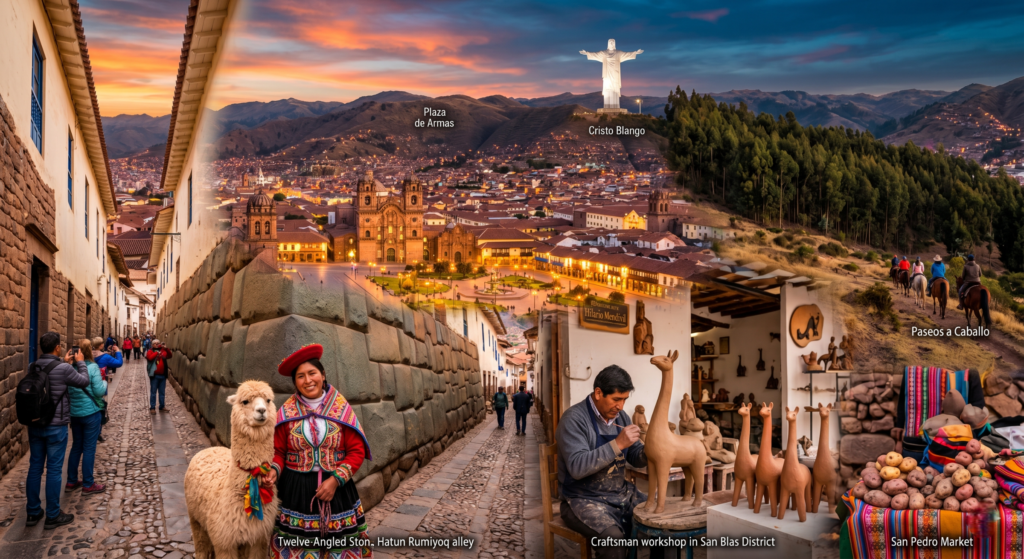
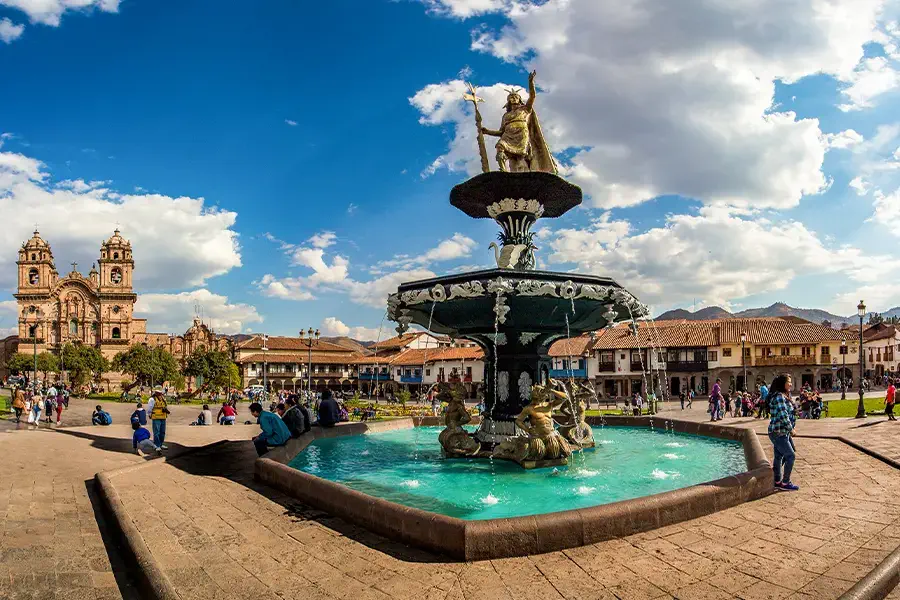
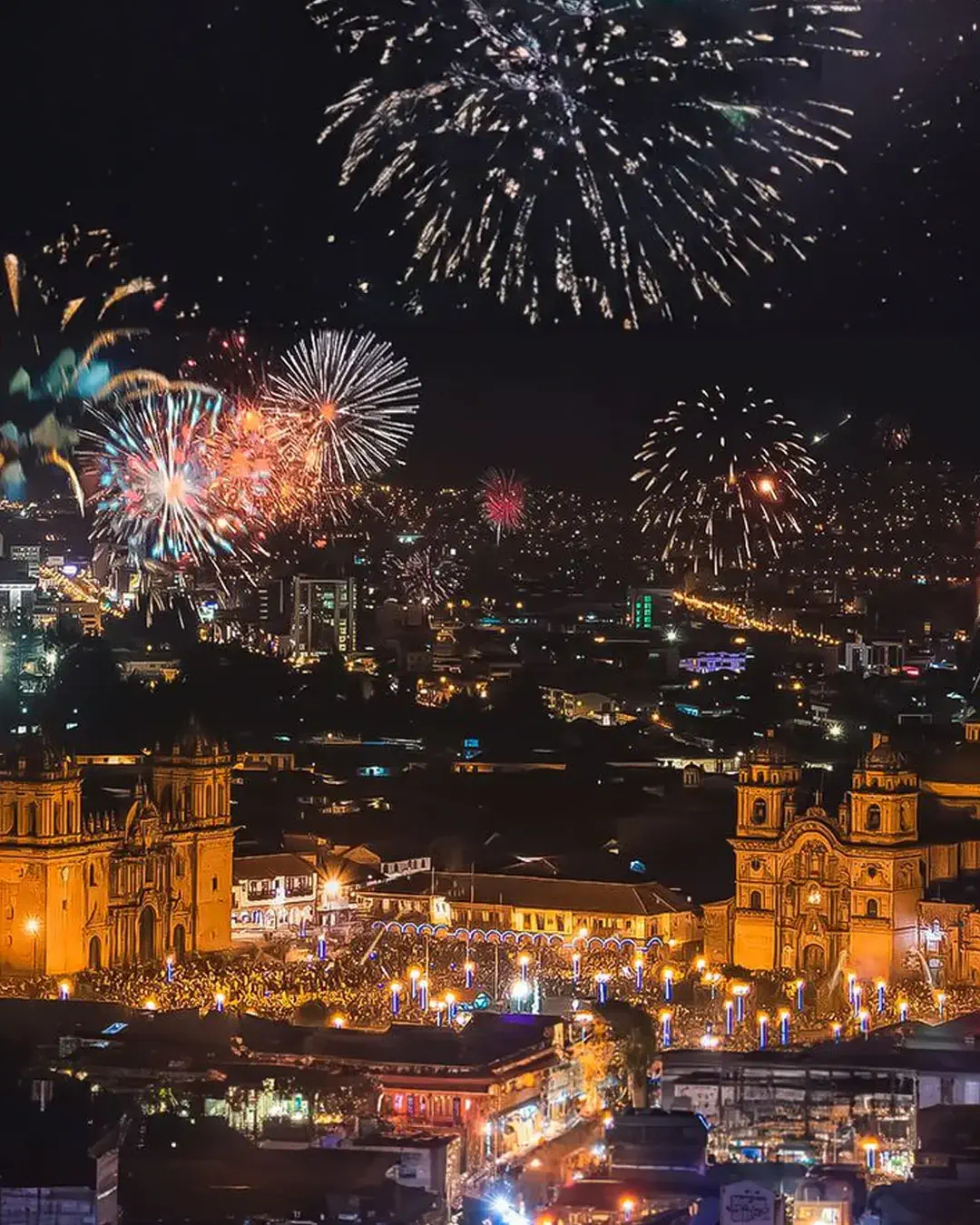
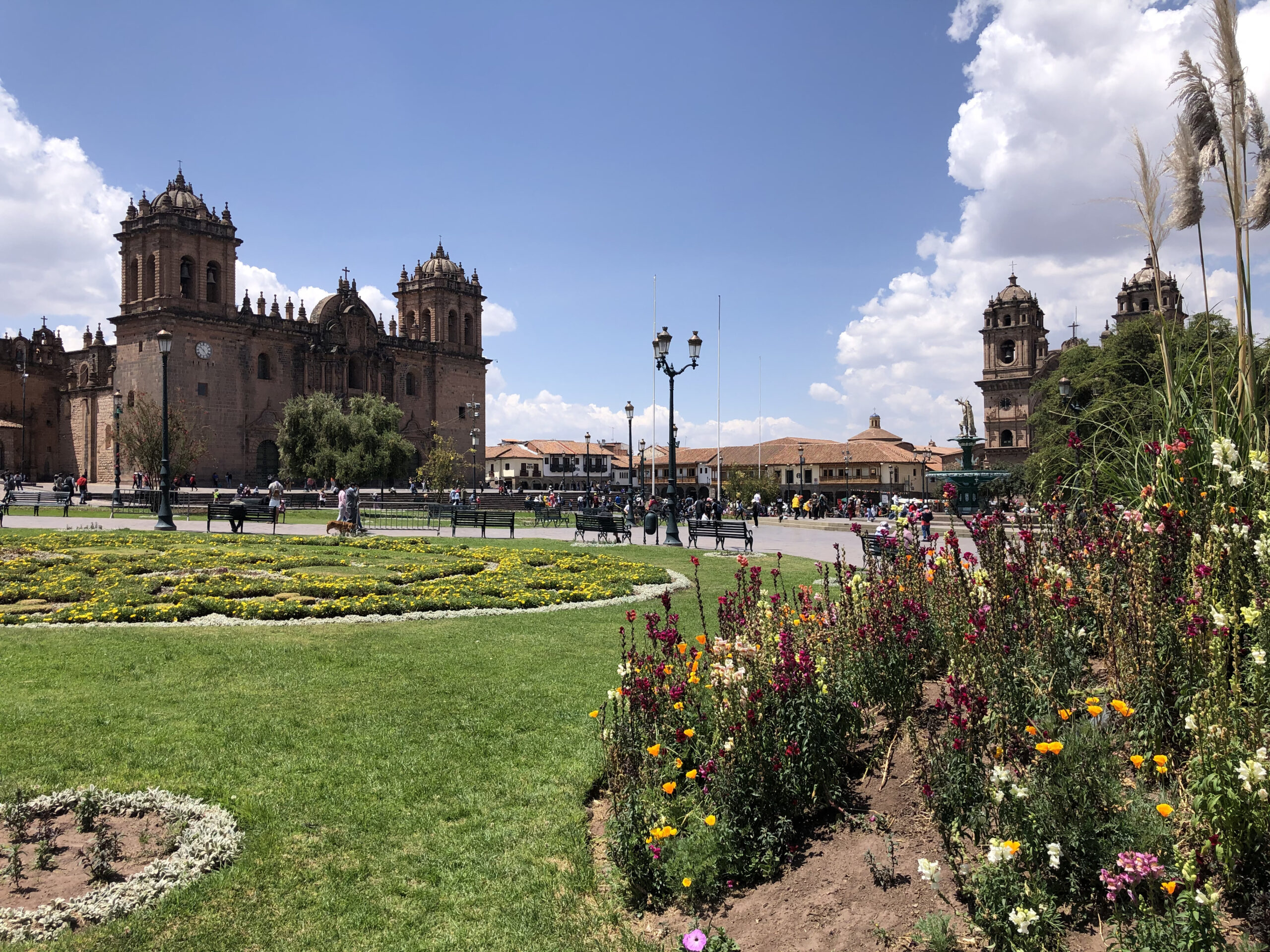
La Plaza de Armas: El corazón de Cusco Conocida en la época inca como Huacaypata (Lugar de llanto o de encuentro), es el punto de partida obligatorio de cualquier recorrido. A diferencia de otras plazas coloniales, la de Cusco está rodeada de imponentes montañas y arquitectura de piedra. Aquí notarás de inmediato el mestizaje arquitectónico: hermosos arcos coloniales con balcones de madera tallada que descansan directamente sobre antiguos cimientos de piedra pulida. Es el lugar perfecto para sentarse en las bancas, observar el ritmo de la ciudad, tomar fotos y visitar las docenas de cafeterías con balcones panorámicos que la rodean.
La Catedral de Cusco y su arte sincrético Ubicada en la misma Plaza de Armas, la Basílica Catedral de la Asunción de la Virgen fue construida sobre el palacio del inca Wiracocha. Su construcción tomó casi un siglo, y las piedras para edificarla fueron extraídas y transportadas desde la fortaleza de Sacsayhuamán. En su interior alberga más de 300 pinturas de la "Escuela Cusqueña". El detalle más fascinante para los visitantes es buscar las sutiles inclusiones de la cultura andina en el arte católico, como la famosa pintura de "La Última Cena" del pintor Marcos Zapata, donde Jesucristo y sus discípulos están a punto de cenar cuy asado, rodeado de papaya andina y chicha.
Qorikancha: El Templo de Oro de los Incas A pocas cuadras de la plaza se encuentra el Qorikancha, que fue el centro religioso más importante de todo el imperio, dedicado al Dios Sol (Inti). Según los cronistas, sus paredes estaban completamente cubiertas con gruesas planchas de oro puro que reflejaban la luz del sol, y sus jardines albergaban estatuas de tamaño real de la flora y fauna hechas de metales preciosos. Después de la conquista, los españoles construyeron la Iglesia y Convento de Santo Domingo directamente sobre el templo inca. Los terremotos de 1650 y 1950 destruyeron gran parte del edificio español, pero los muros incas sismorresistentes soportaron los temblores sin moverse un milímetro, revelando la perfección de la ingeniería andina.
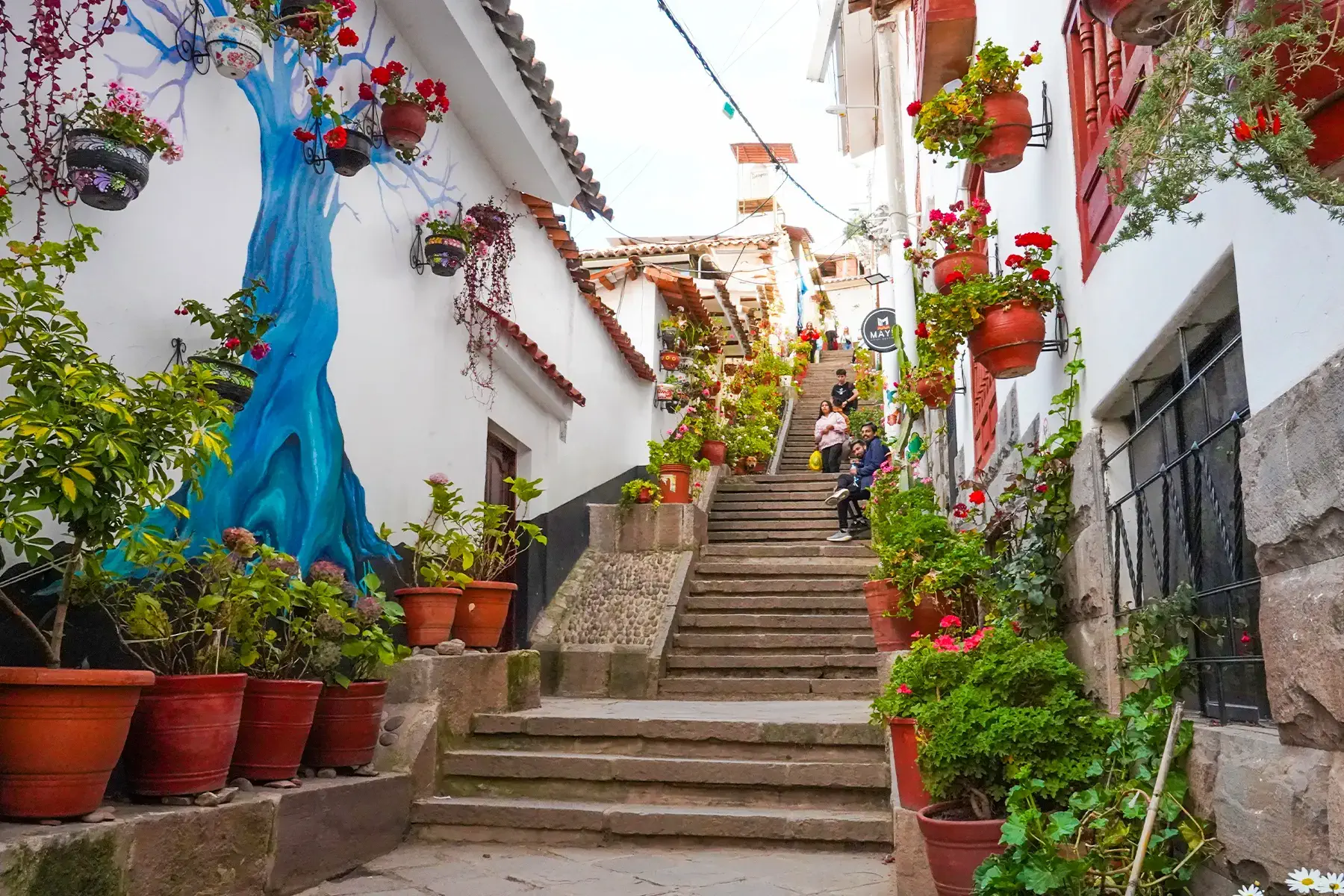
El barrio de artesanos de San Blas Conocido como el "Balcón de Cusco", San Blas es el barrio bohemio por excelencia. Para llegar allí, debes subir la empinada e icónica cuesta de San Blas. Este sector es famoso por sus calles estrechas, peatonales y empedradas, que se entrelazan entre casas blancas con puertas azules. Históricamente, fue el barrio donde los incas reubicaron a los mejores artesanos, orfebres y alfareros del imperio. Hoy en día, sigue albergando los talleres de las familias de artesanos más prestigiosas de la ciudad (como los Mendívil y los Olave), así como acogedoras cafeterías de especialidad, galerías de arte independientes y pequeños restaurantes veganos.
Mercado de San Pedro: Sabores locales y cultura Si quieres experimentar la ciudad como un local, debes caminar hacia el Mercado Central de San Pedro, diseñado originalmente por el mismísimo Gustave Eiffel. Es una explosión de colores, olores y sonidos a solo cinco cuadras de la Plaza de Armas. Aquí puedes comprar hojas de coca frescas para combatir el mal de altura, probar los gigantescos panes chuta de Oropesa, degustar jugos de frutas exóticas de la selva y comprar textiles a precios mucho más económicos que en las tiendas del centro. Es el lugar ideal para almorzar un "menú" local barato y abundante si deseas probar caldos tradicionales como la dieta de pollo o el caldo de gallina.
La Piedra de los 12 Ángulos Ubicada en la estrecha y peatonal calle Hatun Rumiyoc (camino a San Blas), esta famosa roca de diorita forma parte del muro del antiguo palacio de Inca Roca (hoy el Palacio Arzobispal). Su fama mundial se debe al perfecto ensamblaje de sus doce esquinas con las rocas circundantes, sin el uso de ningún tipo de mortero o cemento. El encaje es tan exacto que es imposible deslizar siquiera una hoja de papel o una aguja entre las grietas, convirtiéndola en el ejemplo supremo de la albañilería inca.
Explorando los alrededores: Las ruinas megalíticas
Sacsayhuamán: La fortaleza megalítica
Saliendo del centro urbano (a unos 2 kilómetros cuesta arriba desde la plaza), se alza la imponente fortaleza ceremonial de Sacsayhuamán. Es, sin duda, la obra arquitectónica más colosal construida por los incas. Lo que dejará sin aliento a cualquier visitante es el tamaño de las rocas calizas que forman sus tres muros en zigzag. Algunos de estos bloques pesan más de 120 toneladas y miden hasta 9 metros de altura. Hasta el día de hoy, los ingenieros modernos debaten sobre los métodos exactos que utilizaron los incas para cortar, transportar y encajar estos gigantescos bloques de piedra. Cada 24 de junio se celebra aquí el famoso Inti Raymi.
Qenqo, Puca Pucara y Tambomachay
El clásico "City Tour" siempre incluye una visita a Sacsayhuamán y tres sitios arqueológicos complementarios ubicados a pocos minutos fuera de la ciudad:
Qenqo: Un santuario tallado en roca sólida con galerías subterráneas que sirvió como centro ceremonial y, posiblemente, como lugar para embalsamar a la nobleza inca.
Puca Pucara: Conocida como la "Fortaleza Roja" debido a la tonalidad que adquieren sus rocas al atardecer. Funcionaba como un puesto de control militar y de aduanas para quienes ingresaban a la capital imperial.
Tambomachay: El templo del agua. Un hermoso complejo de acueductos, canales y cascadas escalonadas donde el agua pura sigue fluyendo hasta el día de hoy, dedicado al culto del elemento líquido y al descanso del Inca.
Información esencial para el viaje
El Boleto Turístico para el City Tour
Al igual que en el Valle Sagrado, la mayoría de estos sitios no venden entradas individuales en la puerta. Para realizar el recorrido por los alrededores (Sacsayhuamán, Qenqo, Puca Pucara y Tambomachay), es obligatorio adquirir el Boleto Turístico del Cusco (BTC).
Puedes comprar el boleto parcial (Circuito I) válido por un día, o usar tu Boleto Integral de 10 días si también planeas visitar los sitios del Valle Sagrado. Ten en cuenta que los lugares del centro de la ciudad como la Catedral y el Qorikancha no están incluidos en el BTC y requieren entradas independientes que se pagan directamente en sus puertas (aproximadamente 25 soles para la Catedral y 20 soles para el Qorikancha).
Recomendaciones para moverse por la ciudad
Evita los taxis para distancias cortas: El centro histórico tiene calles muy estrechas, muchas de ellas peatonales o con un solo carril de tráfico. Moverse por el centro en coche suele llevar más tiempo que caminar.
El calzado es clave: Los adoquines de las calles de Cusco son irregulares y pueden ser muy resbaladizos, especialmente si llueve. Usa zapatillas con buena suela y evita por completo los tacones.
Ropa de abrigo para la noche: Tan pronto como el sol se oculta detrás de las montañas (alrededor de las 5:30 p.m.), la temperatura en la ciudad desciende drásticamente. Lleva siempre una chaqueta ligera en tu mochila de día, incluso si hace mucho calor a mediodía.