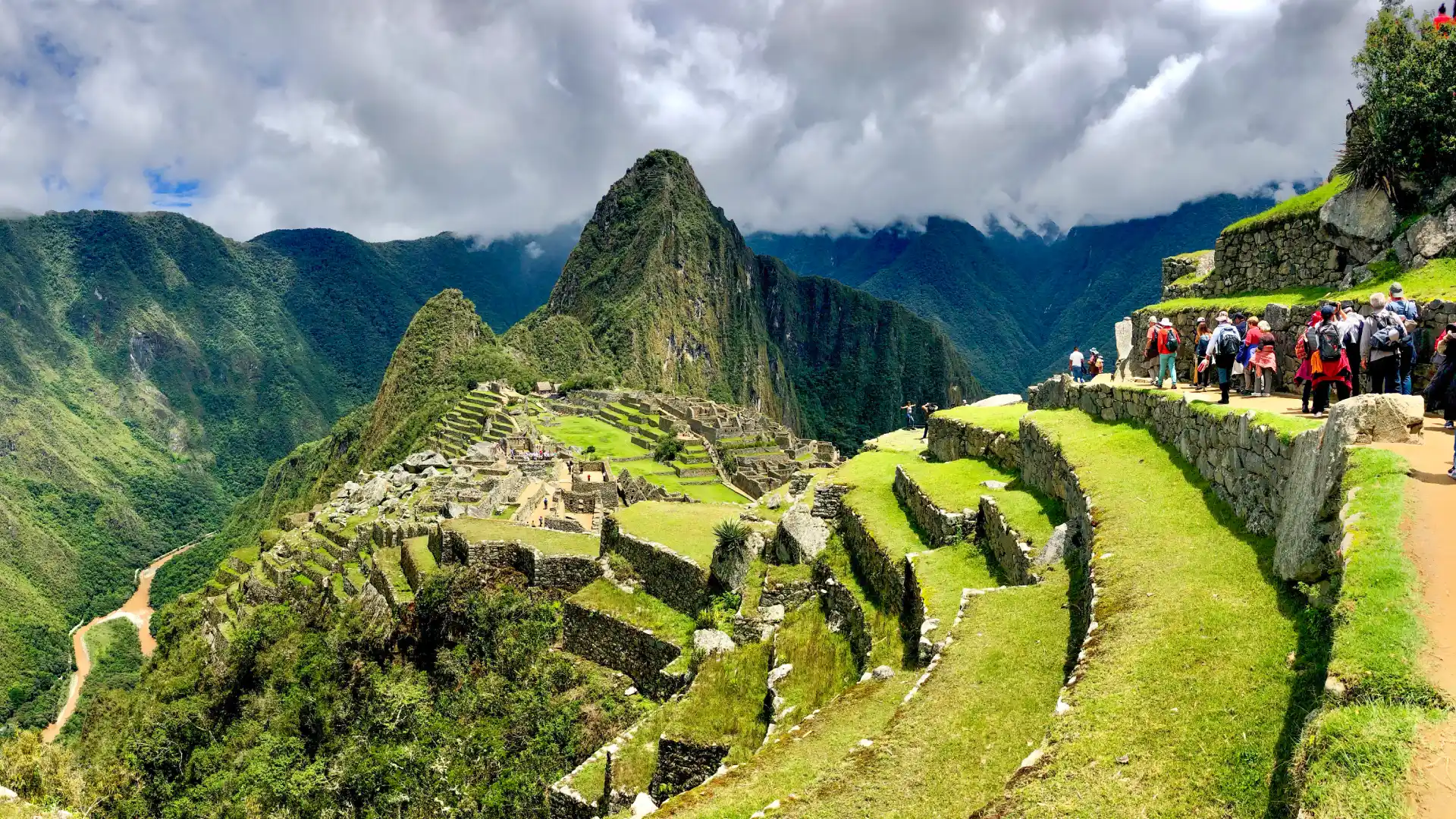
Machu Picchu is world-renowned for its architectural beauty and its majestic setting among the mountains. However, one of its lesser-known and most fascinating aspects is its network of cemeteries. These burial sites, hidden among the citadel's rocks and terraces, guard the secrets of those who once inhabited and died in this sacred place.
The detailed analysis of these discoveries is thoroughly documented in "Machu Picchu: Investigaciones Interdisciplinarias Tomo II", a fundamental text providing profound insight into the archaeological discoveries, inhabitants, and funerary practices of the Inca city.
The Discovery of the Burial Sites
When archaeologists began studying Machu Picchu after its rediscovery, they encountered a series of caves and rock shelters used as burial chambers.
- Over 104 burial sites have been identified in the area so far, many originally hidden under layers of vegetation and soil.
- The arrangement of the bodies, the objects found within the tombs, and the specific location of these cemeteries indicate that Machu Picchu was a place of immense spiritual importance to the Incas.
- The burials were not randomized; each tomb appears to have been carefully planned, reflecting specific rituals for the deceased.
Who Was Buried at Machu Picchu?
Archaeological findings have revealed a surprising social and ethnic diversity among the individuals laid to rest in the citadel:
- Social Stratification: The cemeteries include members of the Inca elite as well as people of humbler backgrounds, such as yanaconas (servants) and mitimaes (ethnic groups relocated to serve the Inca).
- A Melting Pot of Cultures: The remains belong to individuals from various regions of the Inca Empire, proving that Machu Picchu was a meeting point for multiple ethnicities. Identified remains include people from:
- The Lake Titicaca region (Collas and Lupaqas).
- The northern coast (Chimús).
- The northeastern highlands (Chachapoyas).
Funerary Rituals and Beliefs
The analysis of the graves has provided profound insights into the Inca concept of the afterlife:
- The Fetal Position: Bodies were intentionally placed in a fetal position. This common Inca practice symbolized a return to the original state of life, or rebirth, reflecting the belief that death was merely a transition to a new existence.
- Grave Goods: Tombs frequently contained personal belongings such as tools, ceramics, and textiles meant to be used by the deceased in the afterlife. This demonstrates a strong spiritual link between the earthly world and the next.
- Elite Offerings: The most elaborate burials featured jewelry and metal objects, denoting that the deceased belonged to the high elite or held a significant role in society.
Burial Caves: Guardians of Secrets
The tombs were created within natural caves or rock shelters, masterfully adapting to the local geography.
- Many of these caves were sealed off with stones, suggesting they were treated as sacred spaces protected from the outside world. This practice aligns with the Inca belief that the apus (mountain spirits) protected the deceased.
- The cemeteries were designated to specific areas around the citadel. Some face spectacular views of the surrounding valley, reinforcing the idea of a spiritual transition. Tombs located in the highest sectors likely held special meaning, symbolizing the deceased's proximity to the gods and the sacred nature of the mountain.
Windows to the Inca Social Structure
Ultimately, these burial patterns reflect a highly organized, hierarchical structure. While the elite enjoyed extravagant burials, servants and artisans were also honored, albeit with less pageantry.
These discoveries confirm that Machu Picchu was not strictly a royal ceremonial site; it was a functioning home to a highly diverse population that drove the day-to-day complexity and reach of the Inca Empire.