



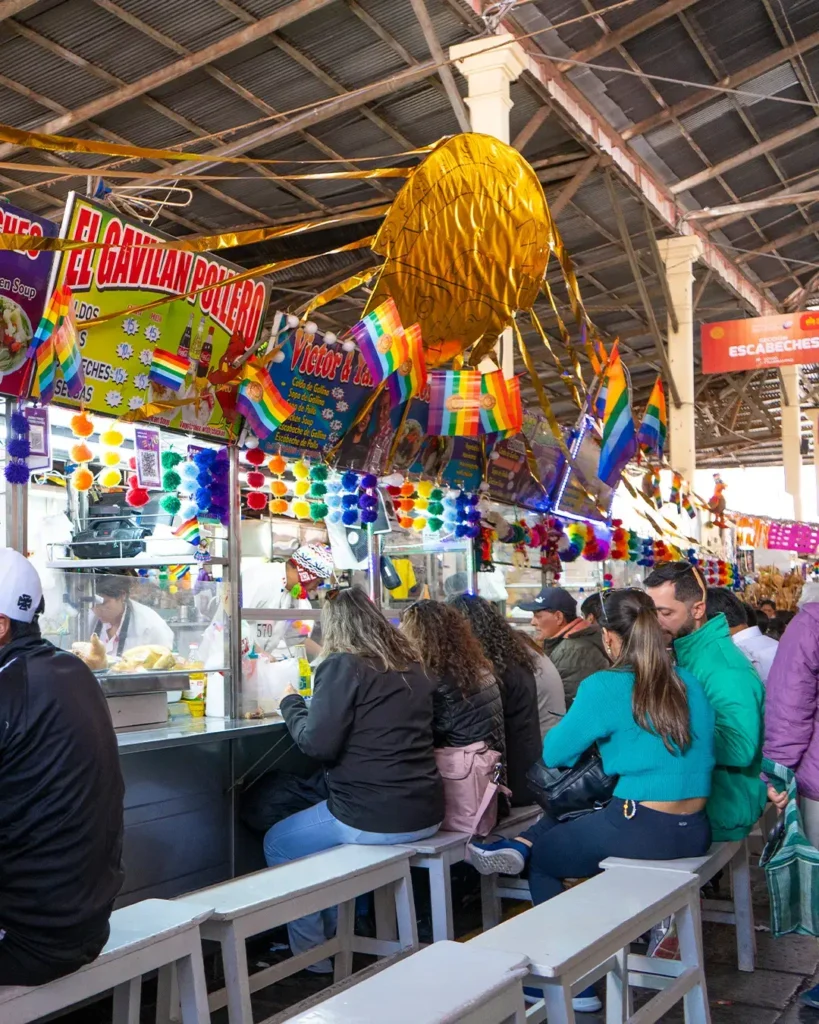
Cusco, the historical heart of Peru, is not only famous for its ruins and vibrant culture but also for its rich and varied gastronomy. From street food stalls to the most elegant restaurants, dining in Cusco offers a unique culinary experience that reflects the diversity and tradition of the Cusco region. In this post, we will take you on a gastronomic tour of Cusco, discovering the authentic flavors that define this charming city.
Cusquenian cuisine is a mix of local ingredients, ancestral techniques, and modern influences. The flavors of the region are deeply rooted in the land and culture, featuring dishes that have been passed down through generations. Ingredients like quinoa, potatoes, and corn are fundamental in the local diet, and behind every dish is a story about life in the Andes.
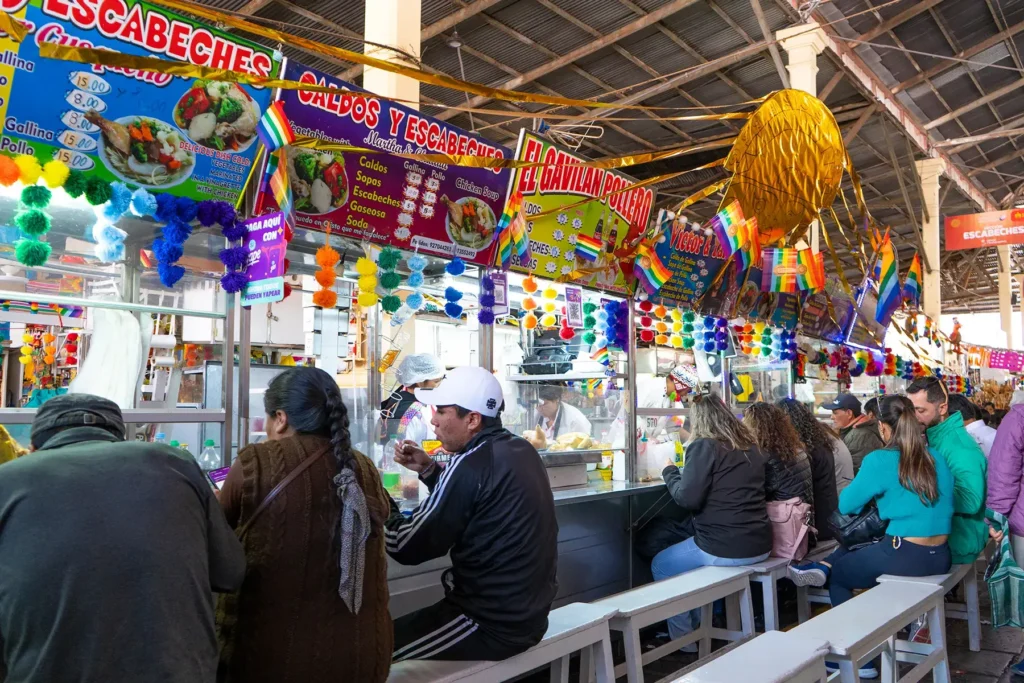
A visit to Cusco's markets is an immersion into the city's culinary culture. The San Pedro market is one of the most emblematic in the city of Cusco, where you can find a wide variety of fresh ingredients, from aromatic herbs to native vegetables. Do not miss the opportunity to try exotic fruits like lucuma and sweet potato, or to take some with you to prepare a succulent dish at home.
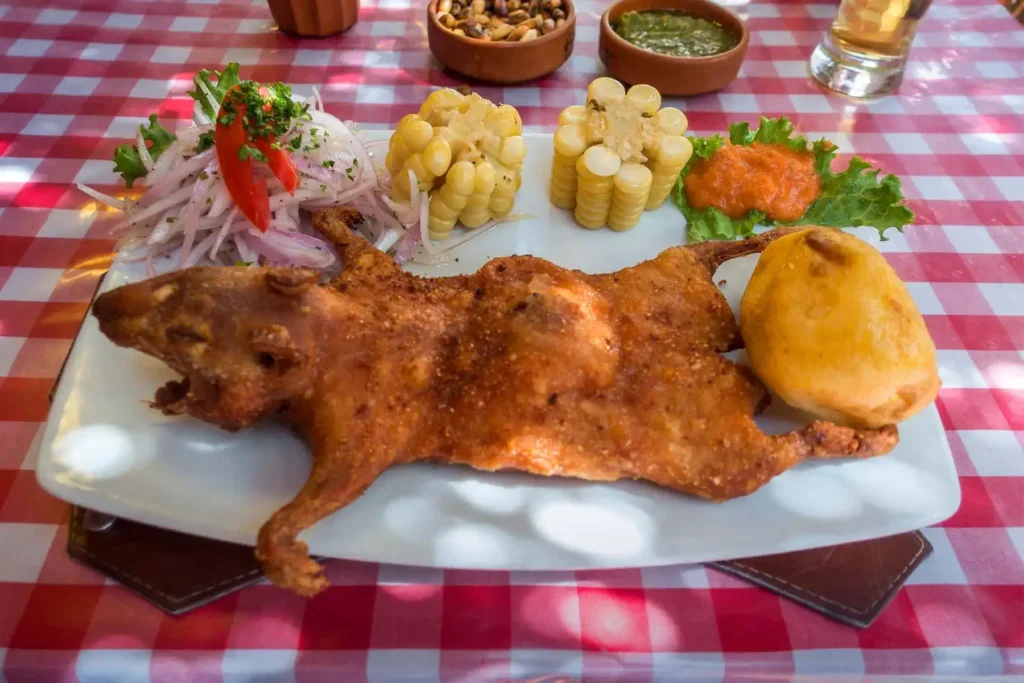
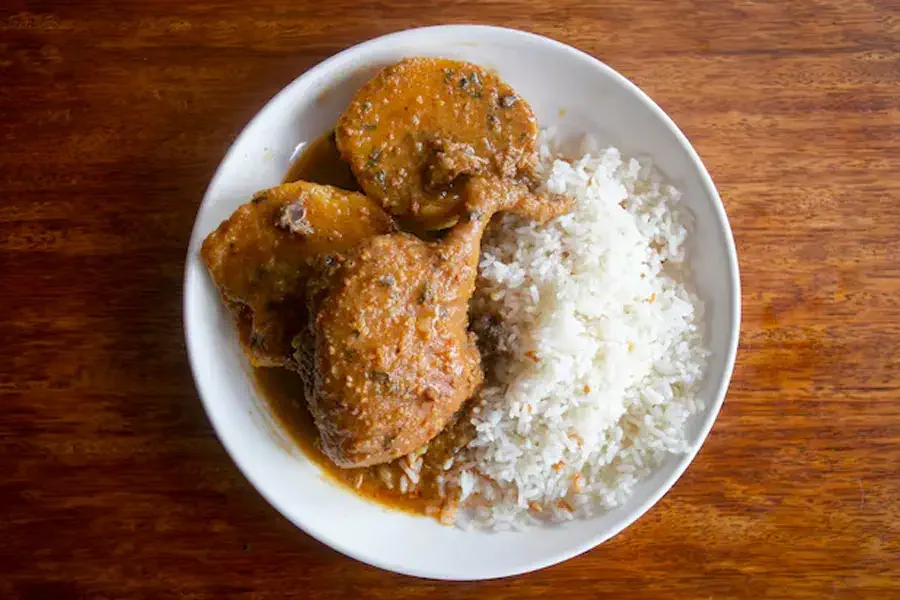
A flagship dish of Cusco is the cuy chactado. It stands out for its guinea pig stew, cooked with spices and served with potatoes and corn. Guinea pig is a traditional delicacy that has been part of the diet deep in the Andean valleys for centuries, and its distinctive flavor makes it a unique experience for visitors.
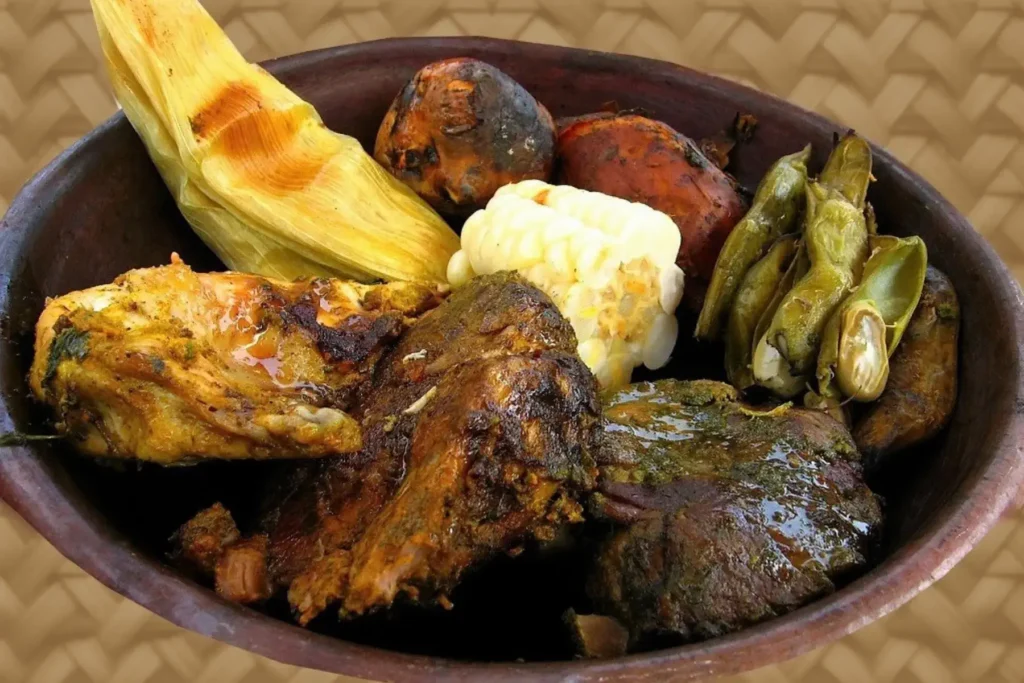
Pachamanca is a native meal cooked in an earth oven. This ancestral cooking method involves burying meats, potatoes, corn, and herbs in a hot pit covered with heated stones. The result is amazing: a delicious meal with an aroma that reflects the deep connection of the Andean culture.
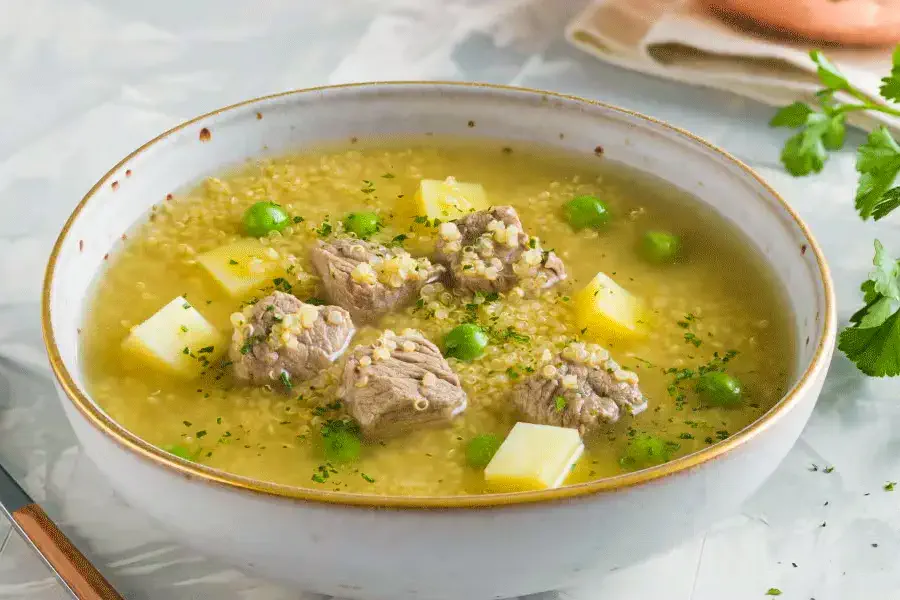
Quinoa is a food native to the Andes and is the star ingredient in this meal. This nutritious and comforting dish is cooked with fresh vegetables and is often served with meat or chicken. Quinoa soup is a mixture of all the local ingredients that make it a truly delicious dish.
Trout ceviche is a popular dish throughout Latin America, and in Cusco, it is prepared with fresh trout from the Andean lagoons and rivers. Trout ceviche is marinated in lemon juice and mixed with onions, cilantro, and chili (ají), offering an explosion of freshness and flavor.
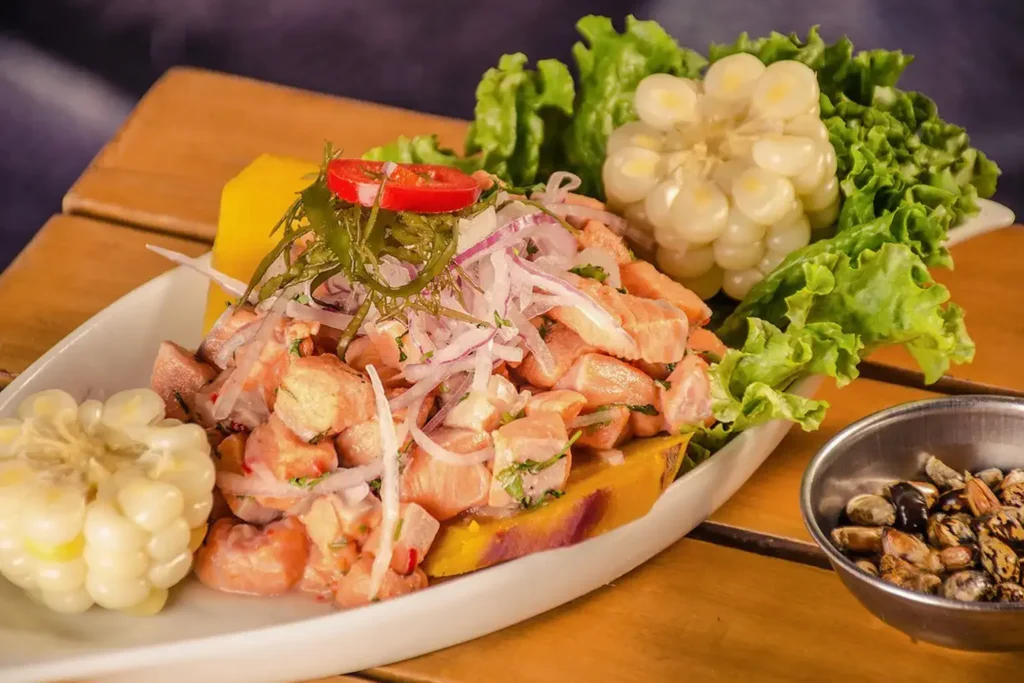
A thick soup made with beef, chuño (freeze-dried potato), and an onion stew accompanied by minced garlic, a sprig of celery, rice, carrots, fava beans, and peas. It is traditionally eaten with a wooden spoon.
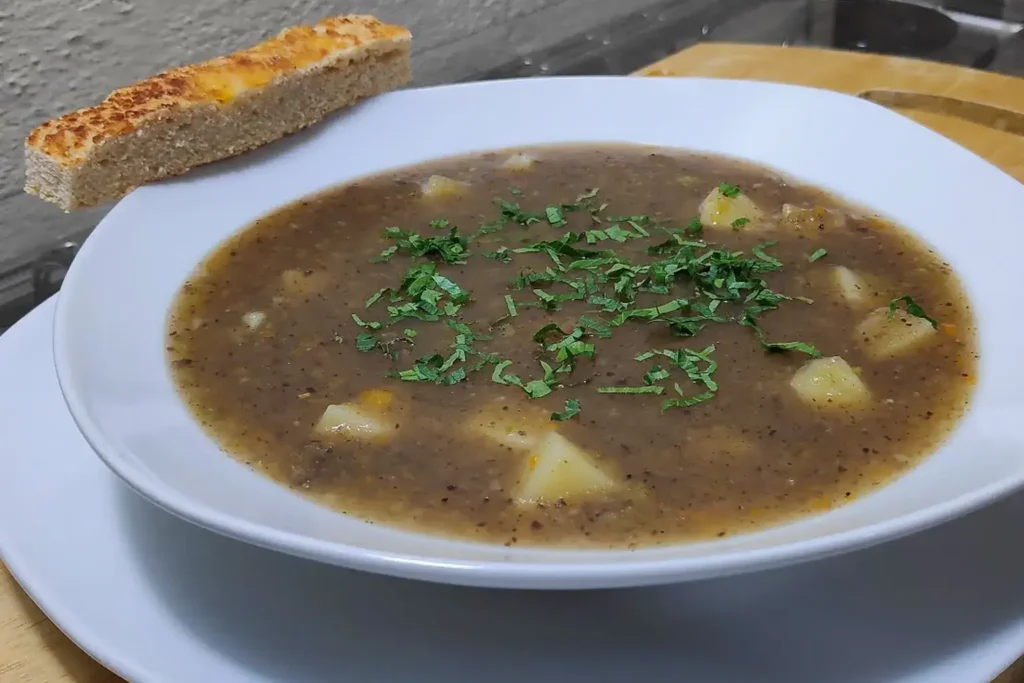
Pieces of guinea pig meat, seasoned with onion, chili, and peanuts, served with a side of rice and potatoes.
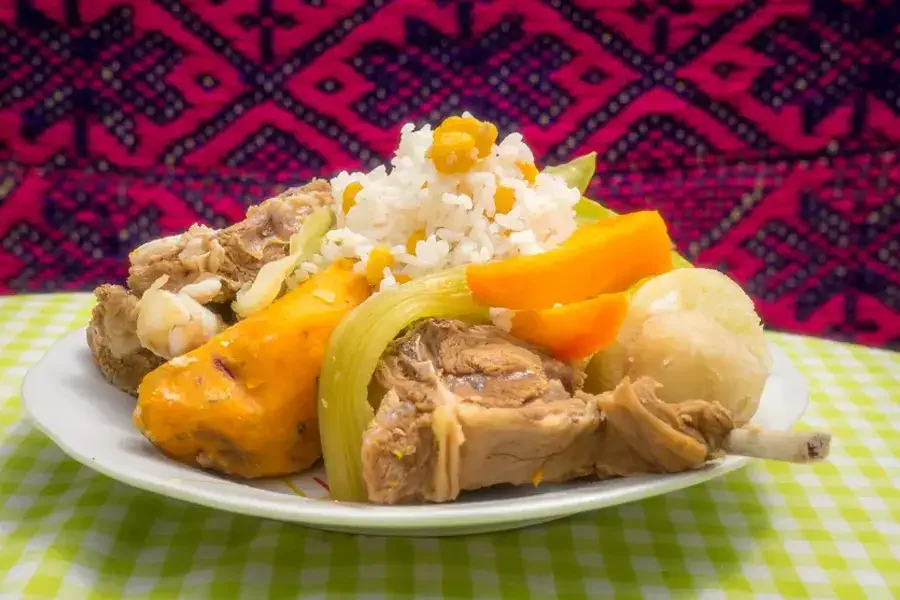
Prepared with beef and lamb, accompanied by potatoes, rice, chickpeas, cassava, peaches, pears, and sweet potatoes. (It is mostly eaten during carnivals, a traditional festival in the city of Cusco).
A traditional Creole street food originally prepared without meat; this ingredient was added by the Spaniards. It is based on beef heart marinated in a dressing of yellow chili (ají amarillo), cumin, vinegar, beer, and oregano.

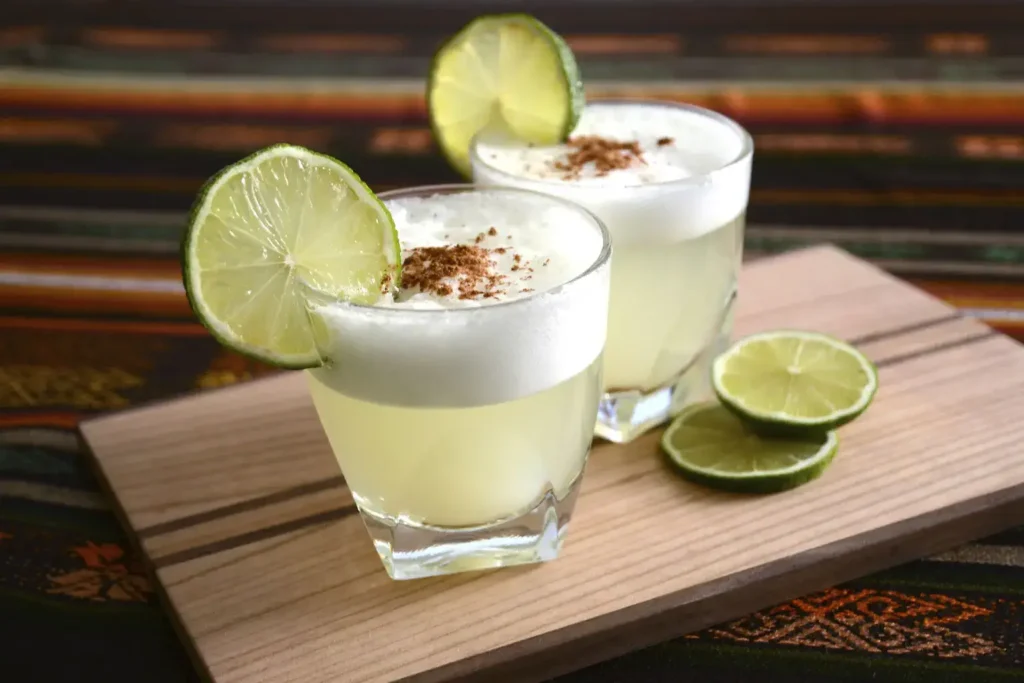
Pisco is an aged spirit, and its flavor changes over time depending on the type of grape used and how long it is stored. This classic cocktail is prepared with simple syrup (gum syrup), lemon juice, egg white, and ice.
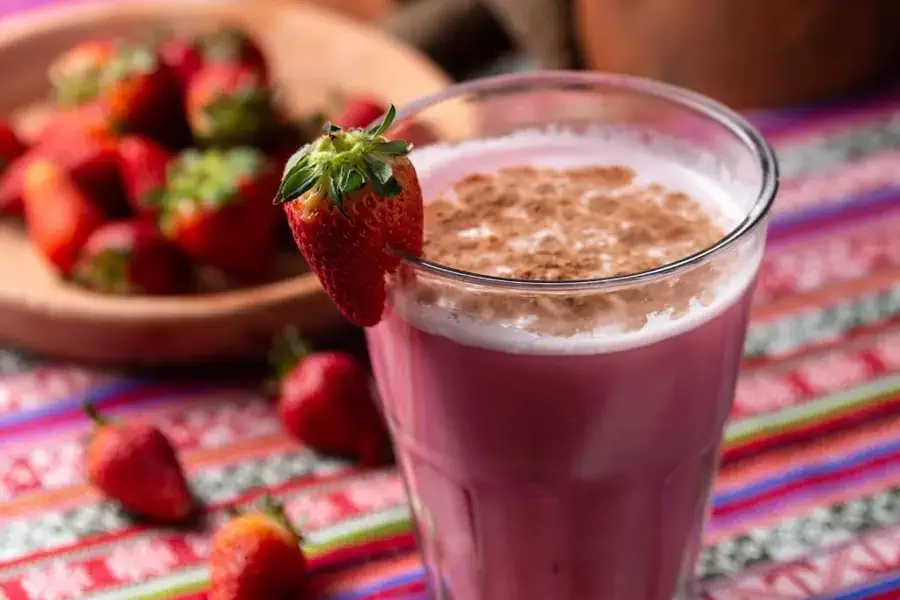
This is a drink with a great history, as it has existed since pre-Inca times due to its high alcohol content. It is prepared with corn that is left to ferment. In Peru, we have different types of chicha (purple chicha, chicha de jora, quinoa, loretana, cacao, white, seven seeds, huarmeyana, etc.), some of which are non-alcoholic.
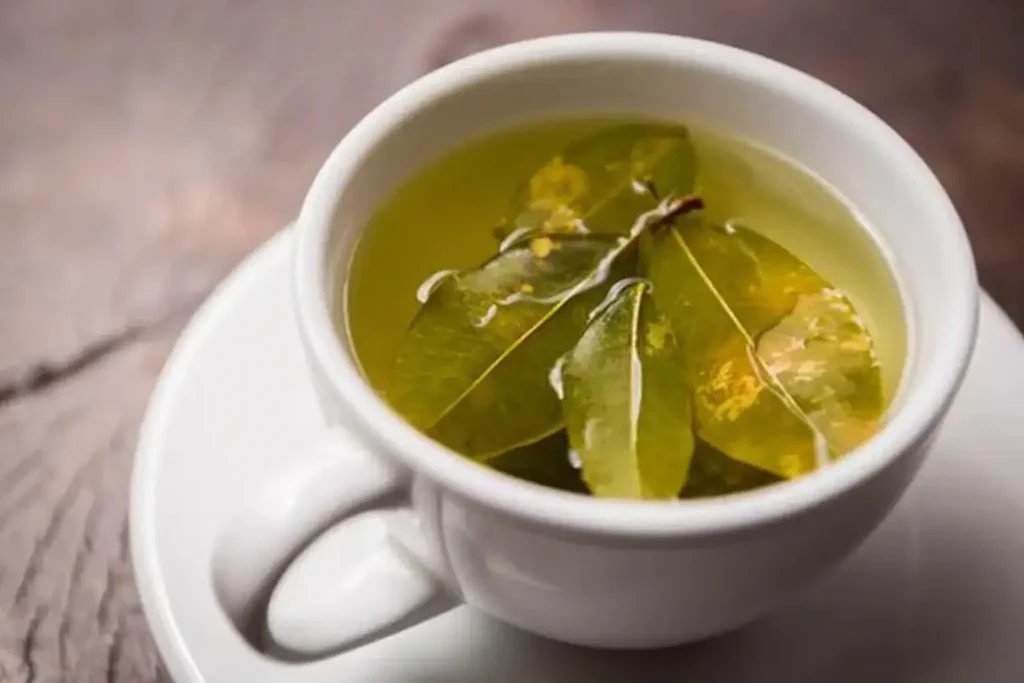
This infusion based on coca leaves has medicinal properties and also serves as a great digestive aid.
Cusco is not only limited to traditional cuisine; the city has also been influenced by international gastronomy, boasting a growing number of restaurants that offer global flavors. From fusion restaurants that combine traditional ingredients with modern culinary techniques, to vegetarian and vegan options, Cusco caters to everyone's tastes.












Recommended by







Copyright 2026. All Rights Reserved | Privacy Policy & Terms and Conditions