
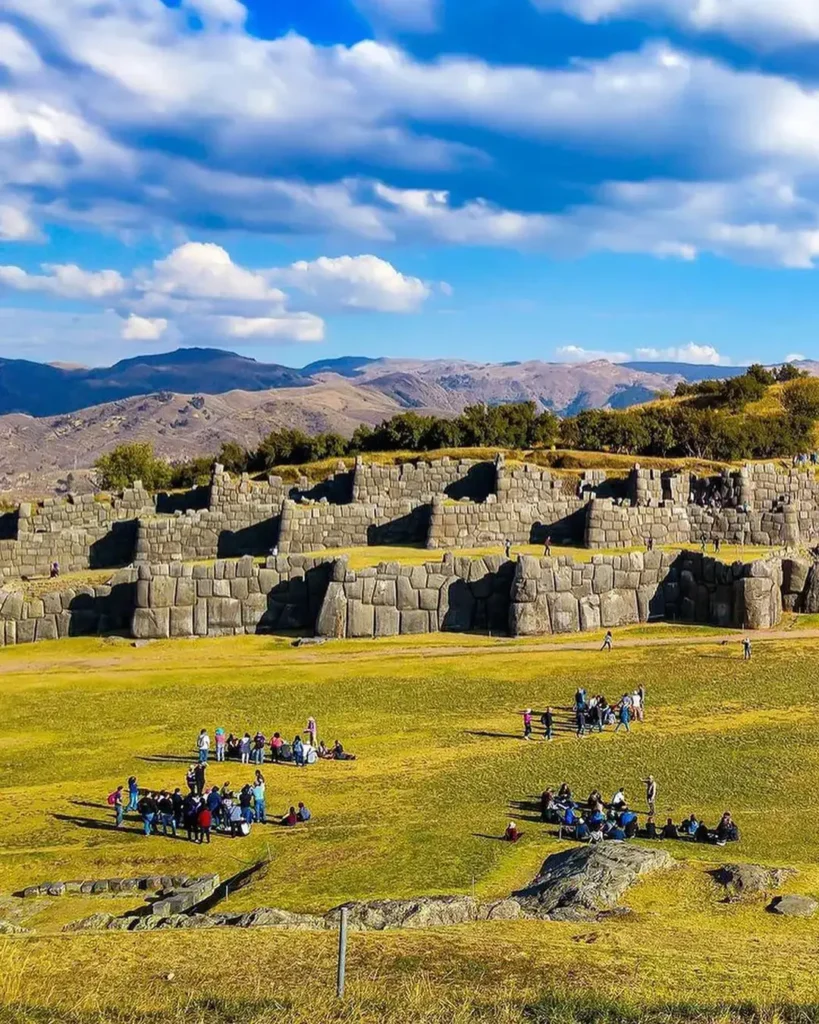
Located in the hills surrounding the city of Cusco, the impressive site of Sacsayhuamán is one of the most majestic monuments of the ancient Inca civilization. Known for its massive stone walls and intricate architecture, Sacsayhuamán is an archaeological gem that continues to fascinate historians and visitors alike. We will delve into the secrets hidden behind its imposing walls and unravel some of its mysteries.
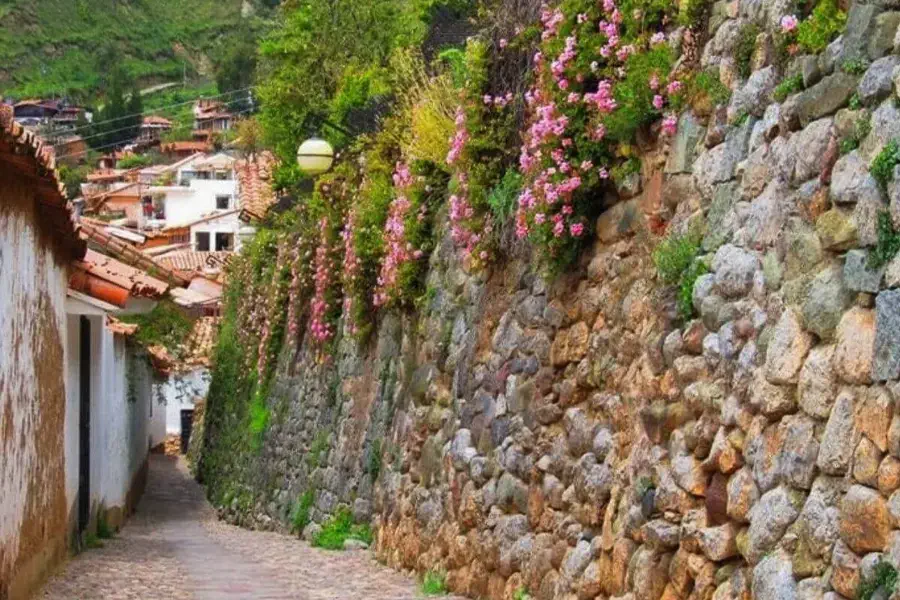
Sacsayhuamán stands out for its massive stone blocks, some weighing over 100 tons, which were cut with astonishing precision and assembled without the use of mortar, creating a structure that has withstood the passage of time and earthquakes. The design of the wall, with stones fitting together so exactly, not only demonstrates the advanced skill of the Incas but also raises questions about the construction techniques they used.
While its exact function is still debated, many archaeologists believe that Sacsayhuamán was an important center for ancient ceremonies and religion. It is believed that the site was aligned with significant astronomical events, such as solstices and equinoxes, where offerings and ceremonies were held in honor of Andean deities. There are indications that this place featured special spaces for offerings and rituals related to the spiritual realm of Inca life.
Sacsayhuamán is evidence not only of Inca ingenuity but also served as the backdrop for one of the key events of the Spanish conquest. In 1536, this site was the stage for a great battle between the troops of Manco Inca Yupanqui and the Spanish conquistadors. Despite the final Spanish victory, the resistance put up by the Incas at Sacsayhuamán spoke volumes about their courage and determination. The remains at this site are still marked by history in this regard.
It is considered a masterpiece of Inca engineering because the stone walls of Sacsayhuamán form stepped terraces. The alignment of each section of the wall is so precise that it implies the planners possessed knowledge of astronomy and geography. Furthermore, some researchers argue that the layout of the stones holds symbolic meaning, representing the Andean worldview and religiosity embodied in Inca material culture. The way symbolism blended with functionality in the architecture of Sacsayhuamán highlights just how refined the Inca civilization was.
Sacsayhuamán has fallen victim to several earthquakes throughout history—seismic events that caused catastrophes in the city of Cusco and led to the collapse of many of its original structures. Despite this damage, restoration efforts have made it possible to preserve and rebuild parts of the site, safeguarding its splendor for future generations. The restoration techniques employed aim to maintain the authenticity of the site while ensuring its stability and protection.
To make the most of your visit to Sacsayhuamán, consider these recommendations:
Sacsayhuamán is more than just a pile of stones; it is a fortress built with Inca ingenuity, where every stone and wall tells a story of skill and resilience. Immersing yourself in it takes you into a spiritual world and a distant past, surrounded by the grandeur of an empire that, despite its fall, remains alive in the ruins it left behind. So, the next time you visit, don't forget to dedicate time to exploring the secrets that Sacsayhuamán guards.

Recommended by







Copyright 2026. All Rights Reserved | Privacy Policy & Terms and Conditions

