
Machu Picchu is a site steeped in history and mystery. Beyond the typical tourist facts we all know, there are fascinating details that often go unnoticed. Here are some of the most interesting ones!
Although Hiram Bingham is recognized for scientifically documenting Machu Picchu, he was not the first person to reach it! Several locals, such as Agustín Lizárraga, already knew of the llaqta’s existence long before Bingham’s 1911 visit. Lizárraga even left his name inscribed in charcoal on the Temple of the Three Windows in 1902. Bingham, however, was the one who made Machu Picchu world-famous through his scientific publications.
One of the reasons Machu Picchu is so special is that it was never destroyed or looted during the colonial era. Unlike many other Inca cities that were dismantled by the Spaniards, Machu Picchu remained hidden deep within the dense jungle, allowing its structures to be preserved nearly intact until its 20th-century scientific documentation.
Water in Machu Picchu served more than just basic needs; it held a profound spiritual meaning. The water sources were aligned with temples and pathways, and their design was deeply connected to the worship of water and nature. This hydraulic system is not only a testament to Inca ingenuity but also represents a way of paying homage to natural elements.
The famous Intihuatana stone, often referred to as "the sundial," is one of the most enigmatic objects in Machu Picchu. It is aligned with solar movements and was used for religious ceremonies and astronomical observations. However, it was not a sundial in the modern sense, but rather a ceremonial marker linked to solar cycles. The word "Intihuatana" literally means "the hitching post of the sun" (or "where the sun is tied").
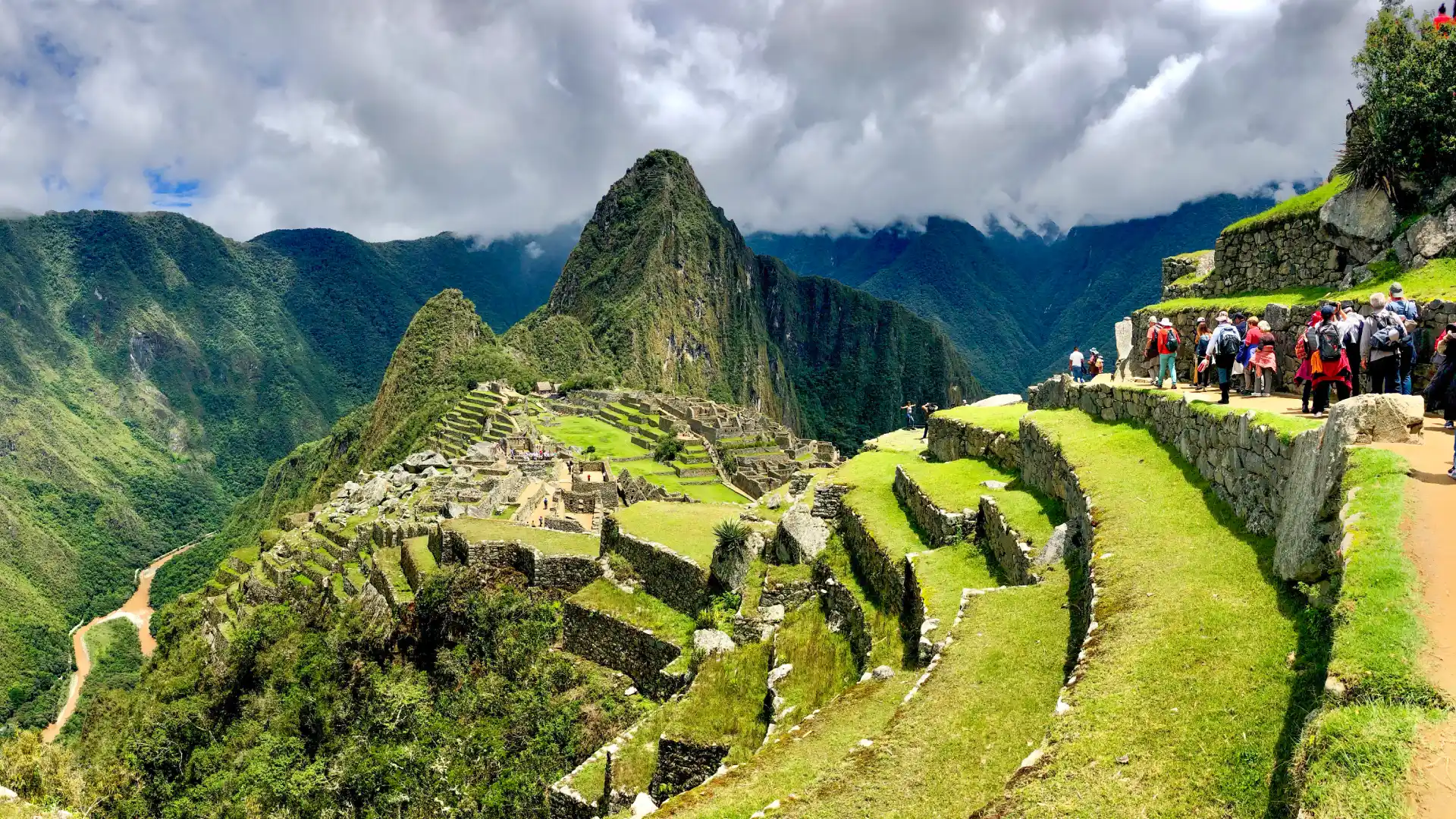
The Historic Sanctuary of Machu Picchu is not just the main llaqta we visit; it contains over 60 archaeological monuments scattered throughout the area. Sites like Wiñaywayna and Phuyupatamarca are connected through the famous Inca Trail. These locations were linked to agriculture, religion, and administration, forming a network that expanded Inca influence across the valley.
Inca technology was not limited to architecture. Excavations at Machu Picchu have revealed that the Incas utilized advanced geophysics to stabilize the ground before constructing. Modern studies, including those conducted with LIDAR, have shown that beneath the llaqta lies a massive network of foundations and underground channels that prevented the buildings from collapsing due to moisture and erosion.
One of the greatest mysteries during the early excavations was the origin of the skeletons found at Machu Picchu. For a long time, it was believed that most of the remains belonged to women, leading to theories about a city of "Virgins of the Sun." However, modern research has shown that the skeletons belong to a mix of men and women, suggesting that the llaqta was a center of much more diverse activity than previously thought.
Although Machu Picchu appears to have certain defensive structures, such as the Dry Moat and walls that look like fortifications, many researchers believe these defenses were more symbolic than functional. According to some theories, the natural inaccessibility of the site—surrounded by mountains and cliffs—served as the city's primary "defense." This reinforces the idea that Machu Picchu was a sacred and spiritual center rather than a military fortress.
Mount Waynapicchu, which serves as the backdrop for the classic photos of Machu Picchu, is not just a scenic mountain. Remains of what appears to be an astronomical observatory have been found on its slopes, discovered in recent decades by archaeologist Fernando Astete. This discovery has expanded our understanding of the role astronomy played in Inca ceremonial life.
Machu Picchu is a place full of mysteries and fascinating details that remind us of the ingenuity and wisdom of the Incas. From its sacred hydraulic system to its connection with the stars, every corner of this site has a story to tell. As archaeological research advances, we learn more about this Wonder of the World, yet so much remains to be revealed!
Recommended by






Copyright 2026. All Rights Reserved | Privacy Policy & Terms and Conditions

