
Discover one of the most advanced research centers of antiquity. This complex features imposing, concentric circular terraces masterfully engineered to recreate multiple microclimates in a single location.
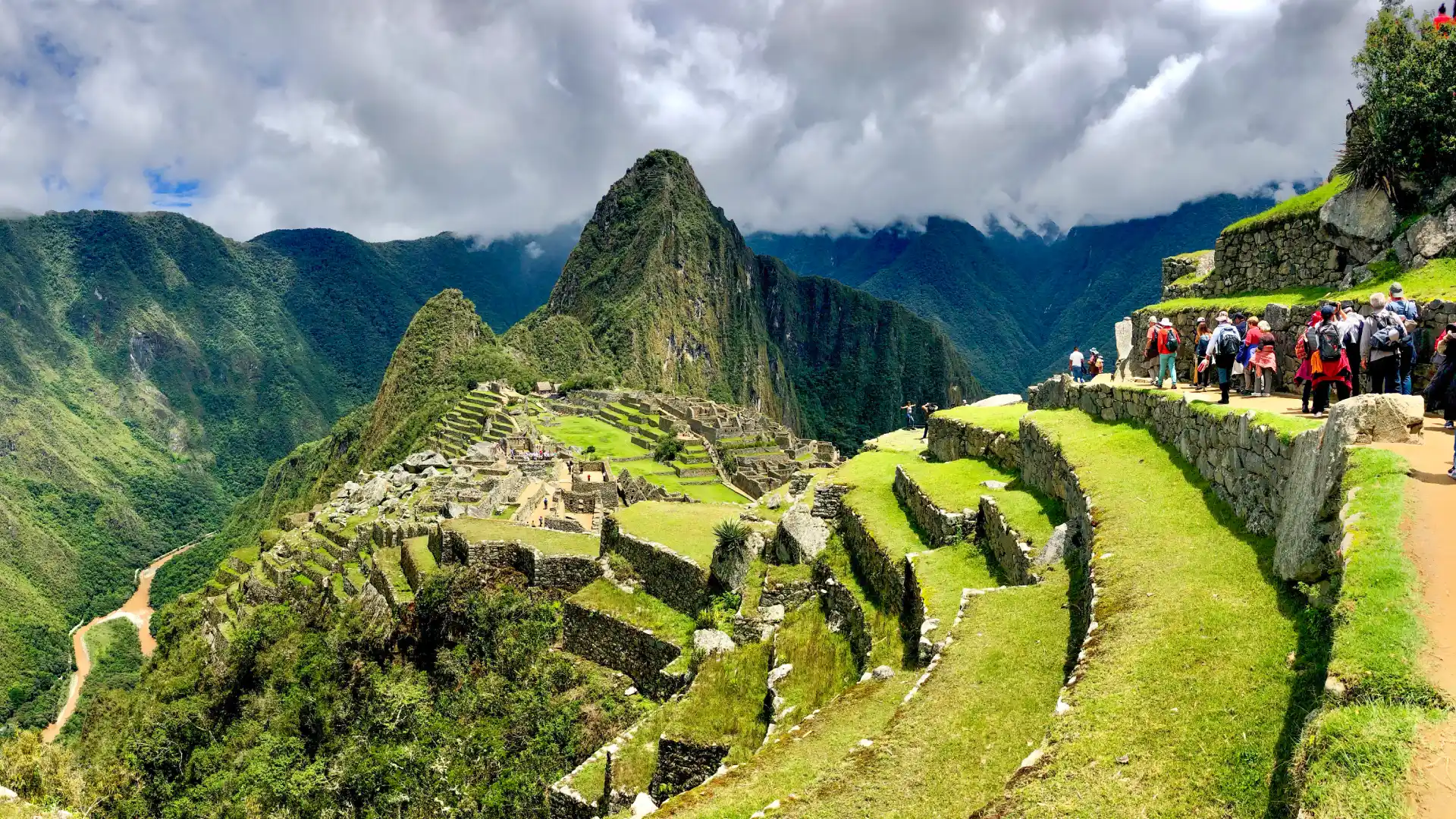
Located on a high plateau about 38 kilometers northwest of Cusco, Moray breaks away from traditional Inca architectural frameworks. While sites like Ollantaytambo or Písac command respect for their defensive and residential structures, Moray captivates visitors with its purely scientific purpose and hypnotic aesthetic, which looks from above like gigantic amphitheaters or fingerprints etched into the earth.
For decades, early Western explorers mistook it for a massive performance arena or coliseum. However, modern research has proven that Moray functioned as a highly sophisticated, high-tech agricultural experimental station—a botanical laboratory where Tahuantinsuyo scientists challenged the laws of nature to secure food safety for an expanding empire.
The complex is built within four massive, natural depressions or pits in the terrain, locally referred to as muyus.
The true scientific miracle of Moray happens invisibly. The geometric layout of the terraces, their orientation to the sun, the winds sweeping across the plateau, and the deliberate use of different soil types create an overwhelming thermal mosaic.
Between the highest terrace on the outer surface and the lowest terrace at the bottom of the pit, there is a temperature variance of up to 15°C.
Each individual anden operates as an independent ecosystem, simulating the climatic conditions of an entirely different altitude or ecological zone of the Andes. Protected from the wind and exposed to concentrated solar radiation, the bottom of the pit generates constant, humid heat, while the upper levels experience the bitter cold of the puna climate.
In this laboratory, Incan agronomists conducted studies on crop acclimatization and genetic improvement. They brought seeds from distant regions—such as the temperate valleys of the coast or the humid zones of the Amazon basin—and planted them first in the warm depths of Moray.
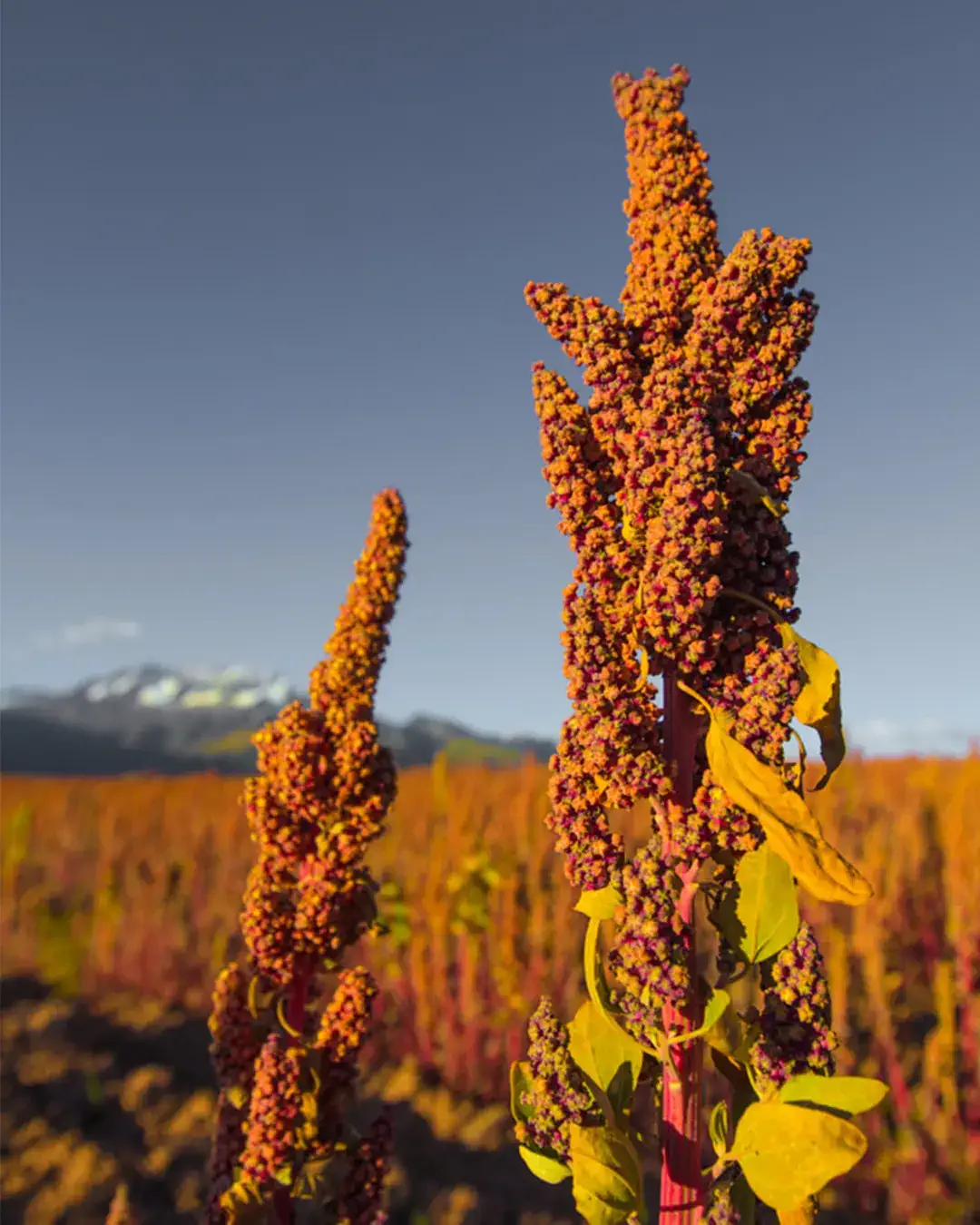
Over generations of harvests, the Incas systematically moved the surviving seeds terrace by terrace toward the upper levels. This gradually forced the plants to adapt to colder, drier, and lower-oxygen climates. Thanks to these spiral terrace experiments, the empire successfully developed varieties of corn, quinoa, and potatoes capable of thriving in hostile Andean altitudes where cultivation was previously impossible, vastly expanding the agricultural frontiers of the Tahuantinsuyo.
Situated in an area prone to torrential downpours during the Andean winter, Moray presents an immediate question: why doesn't the bottom of the pit turn into a lake or a muddy swamp?
The answer lies in an impeccable underground drainage system. Beneath the fertile topsoil layer of each terrace, the Incas placed a dense layer of arena, gravel, and varied-size stones. Excess rainwater instantly filters vertically through the ground, emptying into the natural underground channels of the plateau's limestone bedrock. Moray never floods, perfectly regulating the moisture levels so plant roots can breathe without rotting.
Beyond its undeniable value as a scientific research hub, Moray carried immense spiritual weight. In the Incan worldview, science and religion were deeply intertwined; understanding nature was a direct way to commune with the deities.
The circular depressions were viewed as portals leading straight into the womb of the Pachamama (Mother Earth). Consequently, the complex served as a premium ceremonial sanctuary where priests performed rituals of gratitude for the earth's fertility, placing offerings of chicha and coca leaves right at the heart of the spiral. To this day, every September, local communities continue to gather here to celebrate the Moray Raymi, a sacred festival that blesses the start of the new planting season.
Moray sits on the Maras plateau at an altitude of 3,500 meters above sea level, making it the perfect day-trip companion for those traveling to or from the Sacred Valley of the Incas.
Recommended by







Copyright 2026. All Rights Reserved | Privacy Policy & Terms and Conditions

