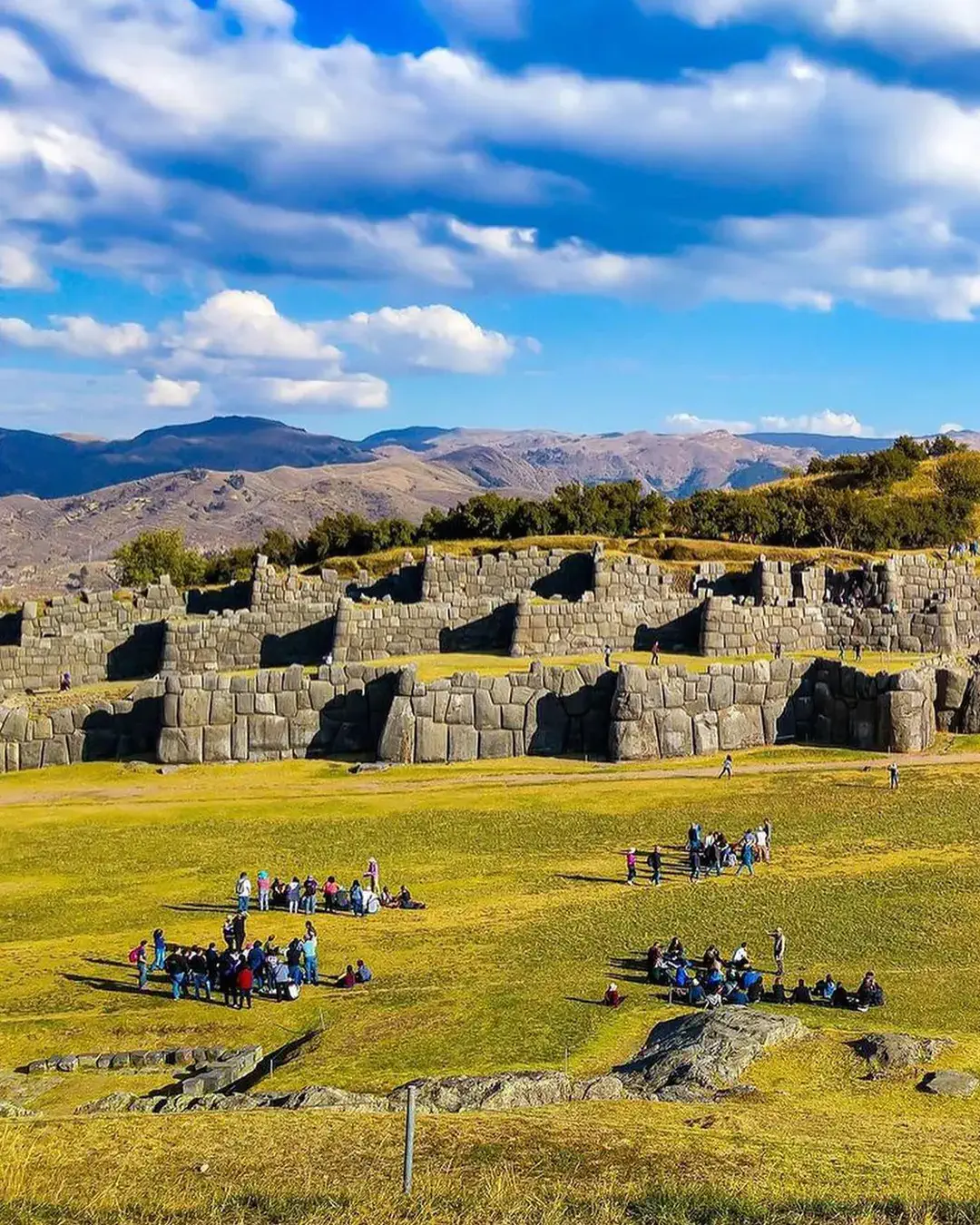
Beyond their monumental stone constructions, one of the most impressive feats of the Inca Empire was its extensive road network known as the Qhapaq Ñan. This system connected the entire empire, allowing for the rapid movement of people, goods, and information across the rugged Andes. The sacred city of Machu Picchu was no exception; it was deeply interconnected with other vital sites through a network of trails that still astounds modern observers with its complexity and efficiency.
What Was the Qhapaq Ñan?
- The Scale: The Qhapaq Ñan, or Great Inca Road, was a vast network of trails stretching over 30,000 kilometers across South America.
- Imperial Control: This infrastructure was the backbone of the empire's success and expansion, facilitating administrative control over a territory that spanned from modern-day Colombia down to Argentina and Chile.
- Multipurpose Routes: Rather than being purely commercial or military highways, these trails also served deeply religious functions, linking sacred sanctuaries like Machu Picchu with major regional cities.
The Classic Inca Trail to Machu Picchu
The most famous segment of this network is the iconic Inca Trail leading directly to Machu Picchu.
- The Route: Covering approximately 43 kilometers, this trek follows the original footsteps of the Incas from the Sacred Valley straight to the citadel.
- Archaeological Stations: Along the route, hikers encounter other stunning archaeological sites such as Wiñaywayna and Phuyupatamarca, which served as ceremonial checkpoints and resting areas for elite travelers and pilgrims.
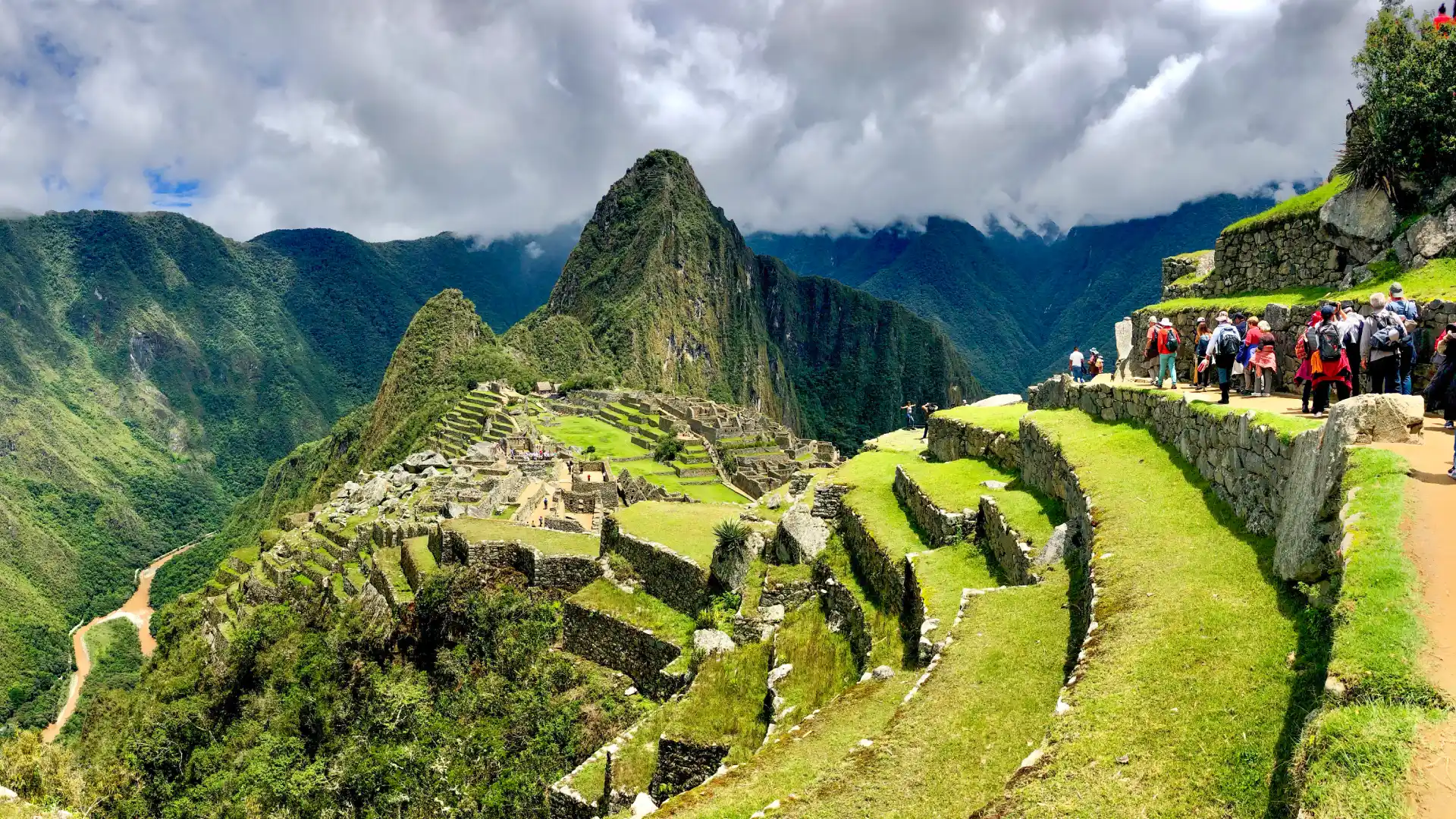
- Geographical Adaptation: The trail showcases masterclass engineering. The roads perfectly adapted to natural features like mountains and rivers, reinforced with stone terraces and retaining walls that remain structurally stable to this day.
Ritual Significance and Sacred Paths
For the Incas, science, geography, and spirituality were entirely intertwined:
- Communing with the Apus: Mountains and rivers were revered as sacred deities known as apus. The roads connecting these landmarks were treated as sacred pathways, providing a deeply religious backdrop to the physical journey to Machu Picchu.
- Modern Discoveries: Recent research utilizing advanced LiDAR technology has revealed previously hidden, additional pathways connecting Machu Picchu to lesser-known ceremonial zones. These findings highlight the citadel's paramount role as a central hub within the empire's spiritual and administrative network.
Strategic Interconnection and Defenses
Machu Picchu was far from an isolated mountain retreat. It was actively linked to key administrative, agricultural, and military centers:
- Ollantaytambo: Connected via direct trails, this site served as an agricultural hub and fortress in the Sacred Valley.
- Vilcabamba: The trail network extended to this remote outpost, which ultimately became the final Inca refuge following the Spanish conquest.
- The Inca Bridge: Located at one of the outer edges of Machu Picchu, this architectural feature served as a strategic escape route leading deep into the Amazon jungle, showing that the Incas carefully planned for both access and active military defense.
Masterful Road Architecture
What sets Inca roads apart is their sheer durability. Incan engineers employed highly advanced techniques to build pathways that were far more than simple dirt tracks:
- Materials: They purposefully used materials like carved stone and gravel to adapt to diverse geographical conditions, shifting seamlessly from high-altitude peaks to flat valley floors.
- Bridges and Walls: Retaining walls and hanging bridges were essential to navigating deep canyons and rushing rivers. These suspension bridges were periodically renewed by local populations—a living tradition that survives today at the Q’eswachaka Bridge, which is completely rebuilt every single year by nearby communities.
Conservation and Global Legacy
Today, the Inca road system remains a powerful testament to one of the most advanced civilizations in human history.
In 2014, the Qhapaq Ñan was declared a UNESCO World Heritage Site.
Rigorous conservation efforts ensure that thousands of global travelers can still trek these ancient paths and connect with an ancestral past. As modern technologies like LiDAR continue to peel back the dense cloud forest vegetation, the true, massive scale of this Incan engineering triumph is still being uncovered.