
The Inca city of Machu Picchu is a true mystery, not only because of its location but also due to the advanced architectural techniques the Incas used to build it in one of the most challenging geographies in the world. Although centuries have passed since the city was built, the details of its planning, engineering, and construction techniques continue to amaze experts and visitors alike. In this blog, we will explore how the Incas managed to build one of the wonders of the world in a seemingly inaccessible place.
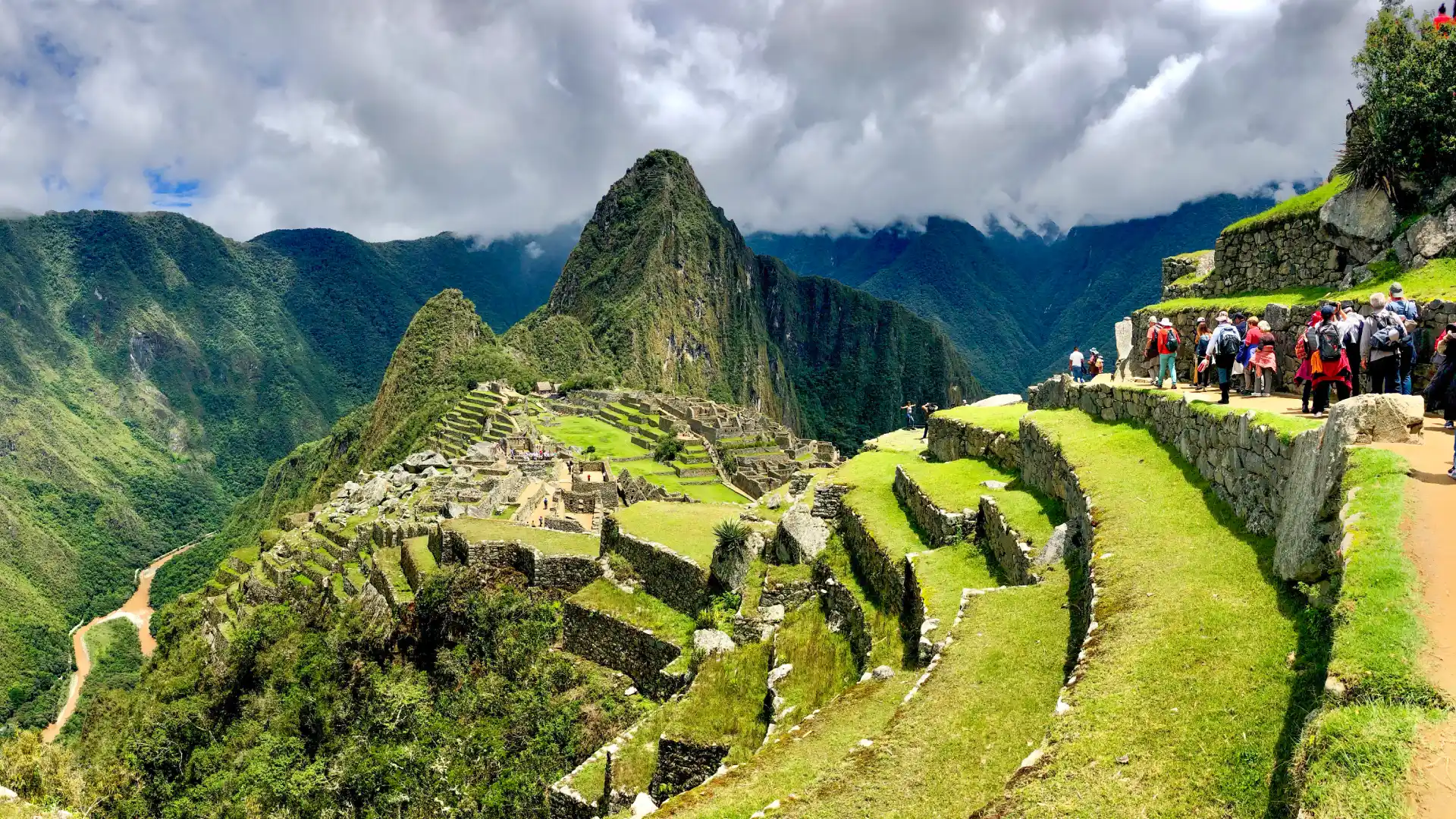
Machu Picchu sits on a mountain peak, surrounded by cliffs and thick jungle. This isolated location raises one of the first major questions: how did the Incas manage to build such a large city on such rugged terrain? The answer lies in their mastery of geotechnical engineering and their ability to transform the environment to their advantage.
According to documented research, a large percentage of the construction effort was dedicated to preparing the ground, which was crucial to ensure the buildings remained stable on the steep hillside. This included creating agricultural terraces, which not only allowed for farming but also prevented landslides and helped drain water during torrential rains.
The Incas demonstrated an impressive knowledge of soils and techniques to mitigate geological risks. They implemented stone retaining walls and used soil excavated from the mountains to create solid foundations. These structures have withstood the test of centuries, even in an environment highly prone to erosion.
One of the best-kept secrets of Machu Picchu's durability is its drainage system. The city was built in a region where rainfall is abundant, and the Incas knew this posed a threat to the preservation of their structures. To face this challenge, they developed a system of underground channels that not only directed rainwater toward the lower parts of the city but also allowed the water to filter properly without causing structural damage.
It is estimated that 60% of Machu Picchu's construction is underground. The drainage channels and deep foundations are the hidden elements that allowed the city to stand for so many centuries. This aspect, which often goes unnoticed by visitors, was crucial to preventing floods and maintaining the stability of the stone structures.
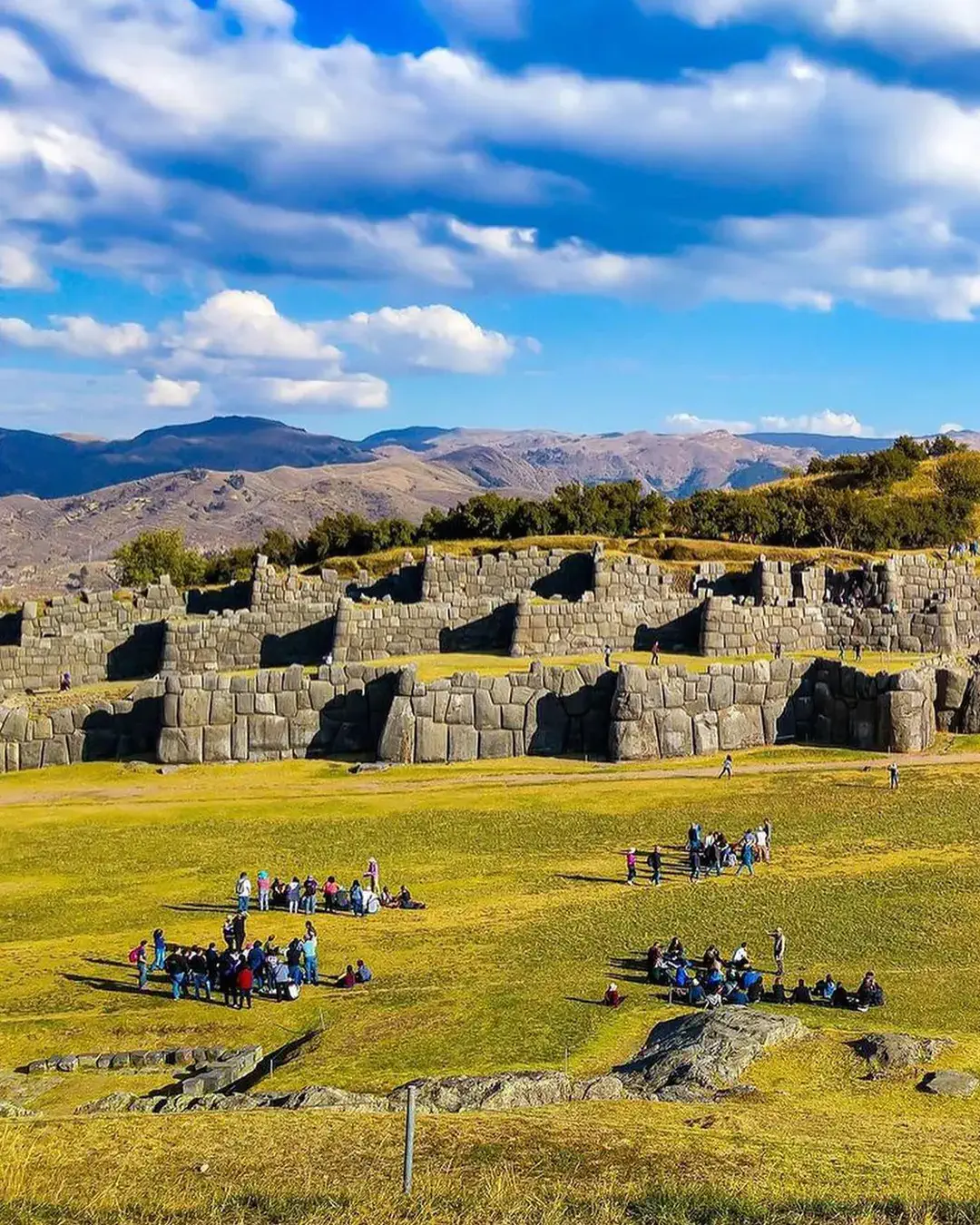
One of the most impressive aspects of Machu Picchu is the perfection with which the stones are cut and assembled. The walls of the main structures, such as the Temple of the Sun or the Intihuatana, are built with enormous stones that fit together perfectly without the use of mortar. This technique is known as ashlar masonry, and to this day, it remains an enigma how the Incas managed to cut and fit the stones with such precision.
What makes this technique even more remarkable is that, according to expert analysis, these stones were quarried several kilometers away from Machu Picchu. The Incas had to transport these gigantic blocks of stone across rugged terrain, demonstrating immense logistical and organizational skill. Even more intriguing is that they achieved this without iron tools, using stone and bronze tools to work the rock instead.
The construction of Machu Picchu was neither a short-term task nor the work of a single person. According to studies, the site was planned and built under the mandate of Inca Pachacuti, likely between 1450 and 1460. This project would have required the participation of numerous architects, engineers, artisans, and a massive labor force.
Furthermore, the organization required to execute this work is impressive. The Incas developed a sophisticated network of roads (the Qhapaq Ñan) that connected Machu Picchu with other important centers of the empire, facilitating the arrival of materials, workers, and supplies. The paved roads, along with suspension bridges and other access points, allowed the work to continue even under the most difficult conditions.
Machu Picchu was not only an example of civil engineering but also of sacred architecture. The Incas believed that nature was full of life and spirituality, and their architecture reflected this profound respect for the natural environment. The location of the most important buildings, such as the Temple of the Sun and the Intihuatana, was aligned with key astronomical events, such as the solstices.
Additionally, the Incas took advantage of the natural shape of the mountains to design their structures. For instance, some studies suggest that the city was built in the shape of a puma, a sacred animal in the Andean worldview. In this way, Machu Picchu was not just a functional city but also a spiritual place that connected the physical world with the cosmos.
The construction of Machu Picchu remains one of the greatest achievements of pre-Hispanic engineering and architecture. Despite being located in a difficult, mountainous environment, the Incas succeeded in building a city that has withstood the passage of time. Their deep understanding of geography, engineering, and astronomy allowed Machu Picchu to remain intact to this day. Every stone, terrace, and water channel stands as a testament to the ingenuity and wisdom of this ancient civilization.


Recommended by







Copyright 2026. All Rights Reserved | Privacy Policy & Terms and Conditions

