


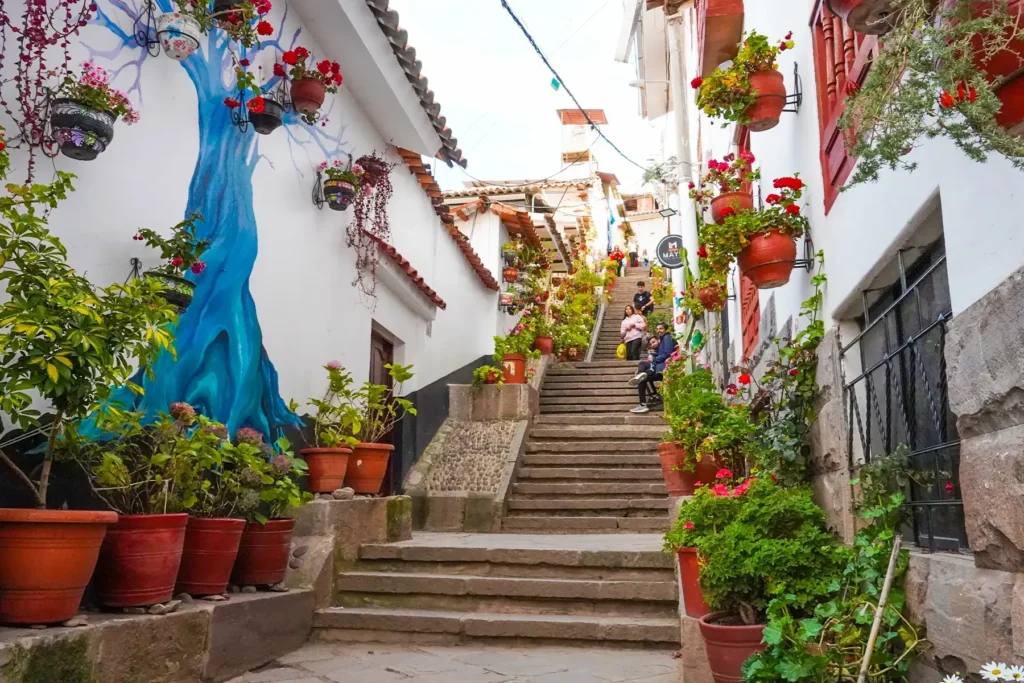
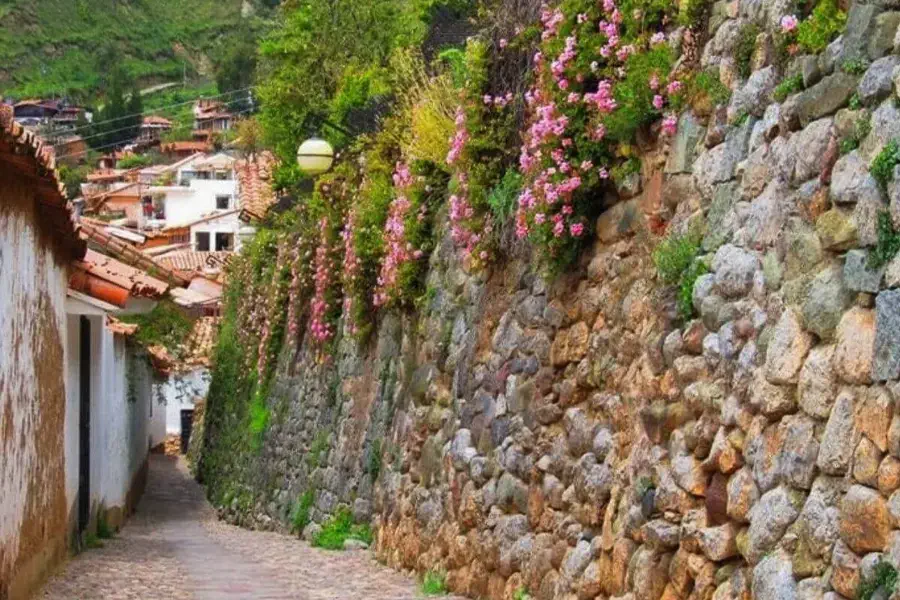
The 12-Angled Stone is located on Hatun Rumiyoq Street (which means "street with the big stone"), just 500 meters from the Plaza de Armas in Cusco. This stone is part of an Inca wall that currently belongs to the Archbishop's Palace and the Museum of Religious Art of Cusco.
Composed of green diorite, a rock frequently used in Inca constructions, the stone weighs approximately 6 tons. Its 12 angles fit together with such perfect precision that it is impossible to insert even a needle between them. It is part of the Historical Center of Cusco and is considered a Cultural Heritage of the Nation.
This impressive attraction, located near the Plaza de Armas on the way to the San Blas neighborhood, is one of the most visited tourist spots in Cusco. Its polished finish and perfect alignment with the surrounding rocks are a testament to the impressive skill in carving and polishing stone that the Incas mastered in their time.
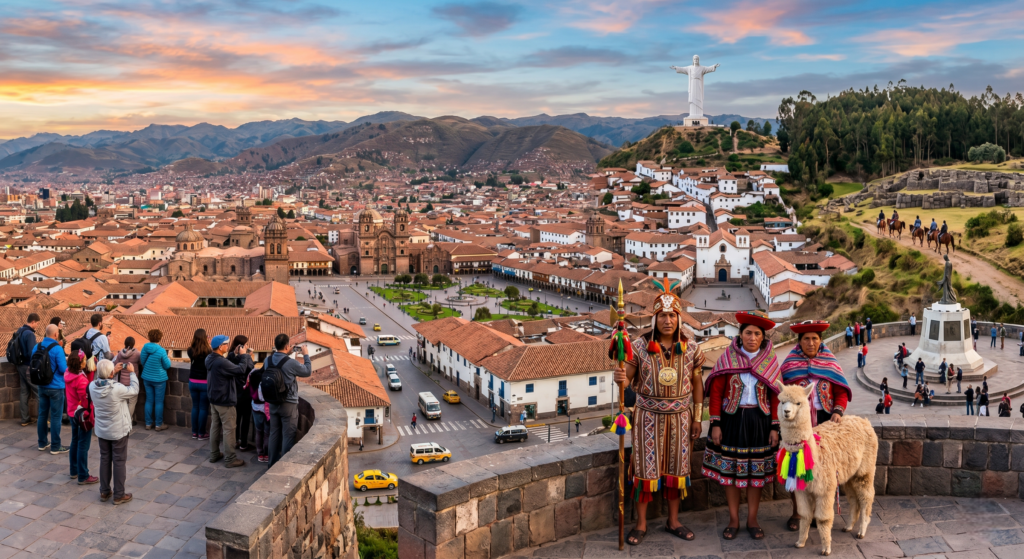
We recommend visiting this place in the morning, when it is common to see dozens of tourists gathered to take photos with this emblematic stone. If you are lucky, you might run into a man dressed as an Inca or women wearing traditional attire, accompanied by tender alpacas, ready to pose with you for an unforgettable photo.
During the time of the Inca Empire, the San Blas neighborhood was known as T’oqokachi (salt hole or cave) by local inhabitants. During the colonial era, the majestic architecture that characterizes this neighborhood today was erected, fusing Andean and European styles.
A land of ancient artisans, San Blas is one of the most attractive destinations in the city of Cusco. The tour begins on Hatun Rumiyoq Street, where the famous 12-Angled Stone is located, and continues toward the San Blas Church, built in 1563 over an ancient Inca temple. Nearby is the busy Plazuela de San Blas, a place that houses some of the best art collections in the city, such as the gallery of Hilario Mendívil and his family.
What to Visit in the San Blas Neighborhood:
The Qenqo Forest is a destination that combines nature and tranquility. This charming eucalyptus forest, located in front of the Qenqo archaeological zone in the city of Cusco, has become an ideal place for photography lovers and those who enjoy outdoor walks.
Once in the forest, you can enjoy its serenity and natural beauty, in addition to exploring the nearby archaeological zone of Qenqo. This destination is ideal for combining a nature and culture experience in a single day.
Travel Options & Costs for Qenqo:
| Category | Details / Travel Time | Estimated Cost |
| Taxi | Direct trip from the Plaza de Armas (~15 minutes) | S/ 15 - S/ 25 |
| Bus (Huerto / Cristo Blanco) | Walk to Recoleta St. (15-20 mins) to Rosaspata Market, then bus | S/ 1 - S/ 2 |
| Entrance Fee (Peruvians) | Access to the Qenqo Archaeological Zone | S/ 40.00 |
| Entrance Fee (Foreigners) | Access to the Qenqo Archaeological Zone | S/ 70.00 |
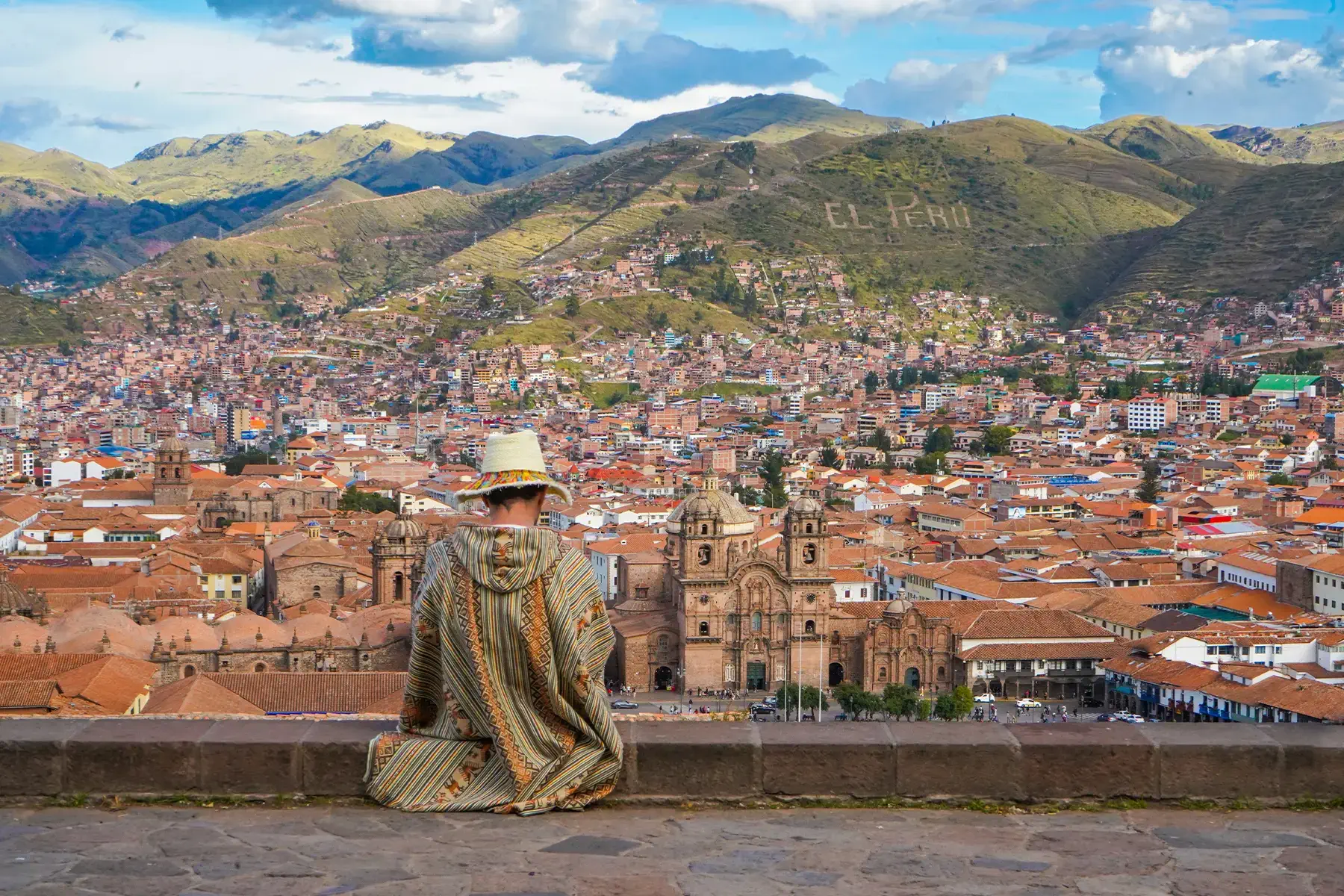
The Cristo Blanco (White Christ) Monument is located just a 2-kilometer walk from the city center of Cusco, at an altitude of 3,575 meters above sea level. This imposing sculpture of Jesus Christ stands on Pukamoqo Hill (Red Hill) and is the ideal place to enjoy a spectacular view of the city, leaving visitors amazed by the incomparable landscape.
The site is adorned by a huge statue of the White Christ, built in 1945, and is considered sacred by the Incas. The sculpture was a gift from the Arab-Palestinian colony. Today, Cristo Blanco is one of the most visited modern monuments in Cusco, and its main attraction is the privileged panoramic view it offers of the city.
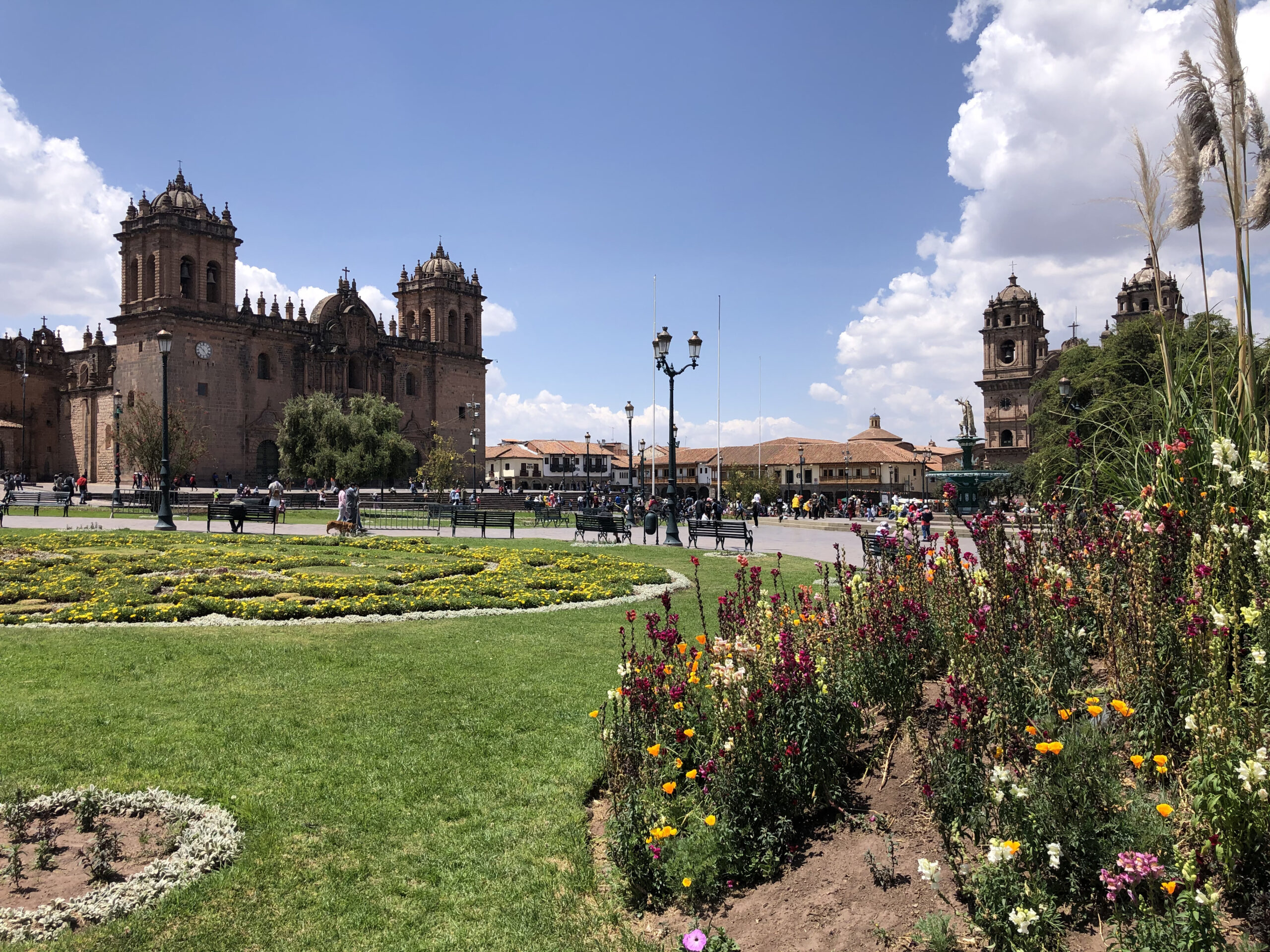
The historic Plaza de Armas of Cusco is the ideal starting point for any city tour. Surrounded by churches, restaurants, and hotels, this square is the main meeting place for both tourists and city residents. It is a perfect space to take a break from daily activities, admire the architectural beauty, and enjoy the outdoors. In 1983, UNESCO declared it a World Cultural Heritage Site.
The Main Square of Cusco is one of the most visited destinations by both domestic and international tourists. It is said that, in pre-Inca times, the square was a swamp that the Incas drained to turn into a space for administrative and sacred gatherings.
Points of Interest in the Plaza de Armas:
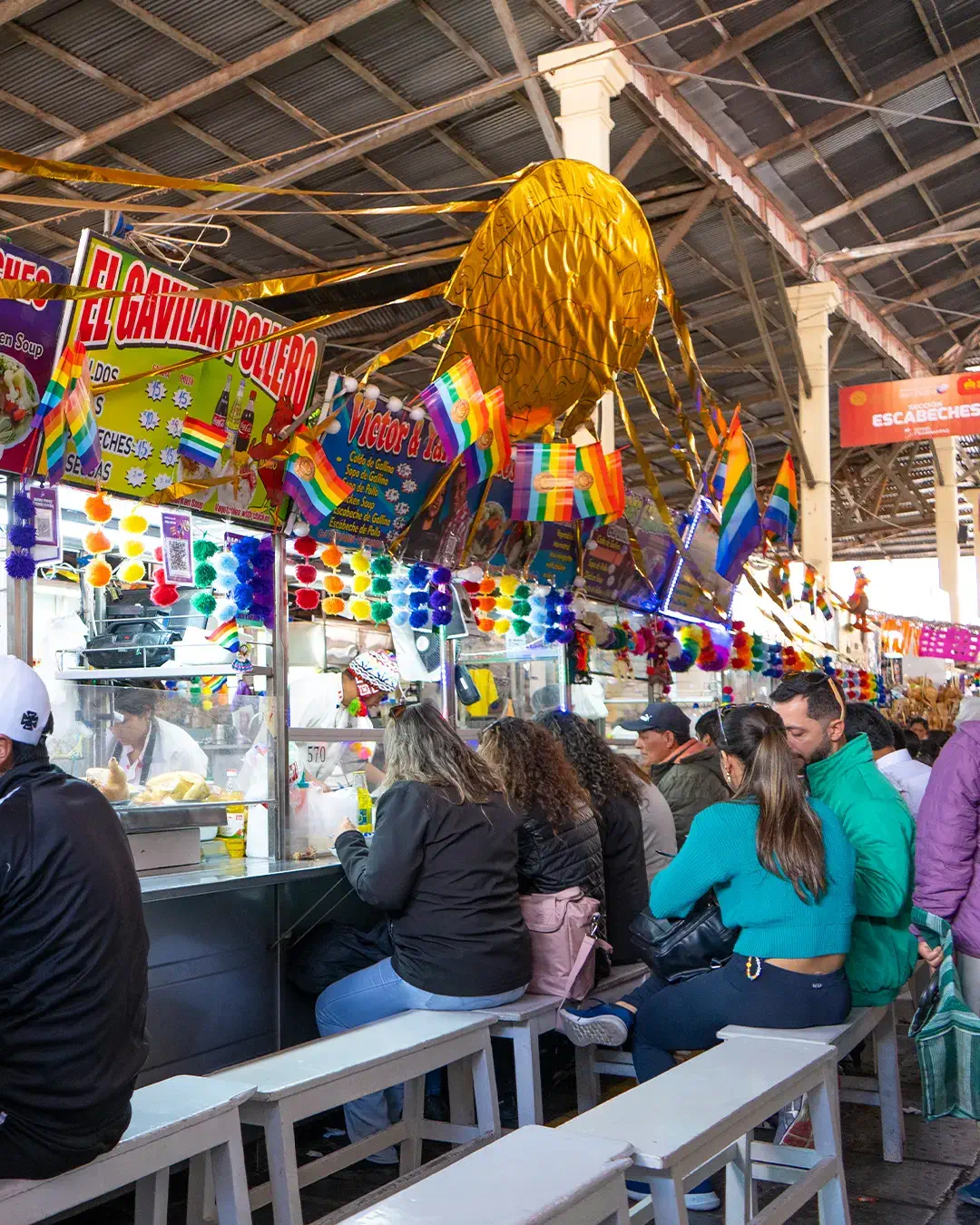
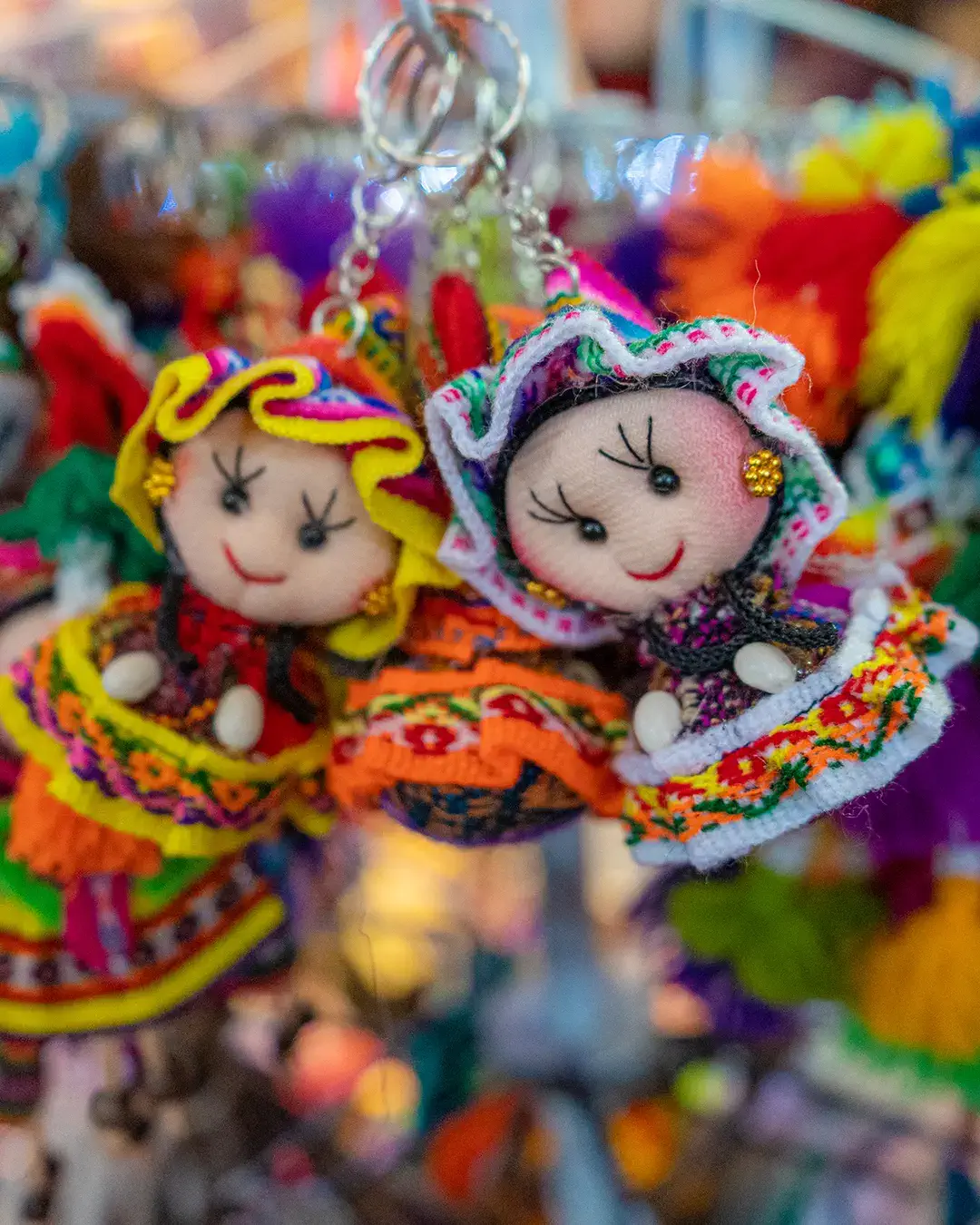
Considered the most important market in Cusco, this place allows you to discover and immerse yourself in the local traditions and culture that endure to this day. Inside, you can find typical dishes, handicrafts, traditional clothing, as well as native products like potatoes and corn. It is located just a few blocks from the Plaza de Armas and opens its doors very early every day of the week. Furthermore, if you are a food lover, the market offers culinary tours where you can taste the most representative dishes and desserts of the region.
The San Pedro Central Market is the oldest supply center in Cusco. In the past, it was part of a section of the Inca trail that connected to the Huacaypata Square (today Plaza de Armas). It was designed by the French architect Gustave Eiffel and inaugurated in 1925.
Explore Cusco and the Sacred Valley on an exciting horseback riding excursion, a unique experience you cannot miss. This horseback tour through the Sacred Valley will lead you to discover a region of great importance to the ancient Inca civilization. During the journey, you will have the opportunity to admire the remains of temples, squares, and canals built by the Incas, while enjoying some of the most beautiful landscapes in the area.
If you prefer riding around the city of Cusco, you will visit archaeological sites such as Kusilluchayoc, the Temple of the Moon, Zone X, and, as a final destination, the spectacular Devil's Balcony (Balcón del Diablo). These places, close to the city of Cusco, are popular for their mysticism. You will explore these sites in a unique way, in close contact with nature, while riding on horseback.
Recommended by







Copyright 2026. All Rights Reserved | Privacy Policy & Terms and Conditions